US‑Iran Strait of Hormuz Deadlock: 2026 Developments and Impact on Global Oil Prices
Background
The US‑Iran rift dates back to the 1979 Islamic Revolution, which toppled the pro‑Western monarchy and set the stage for decades of mistrust. The 2015 Joint Comprehensive Plan of Action (JCPOA) briefly eased tensions by curbing Iran’s nuclear program in exchange for sanctions relief, but the US withdrew in 2018 under President Trump, re‑imposing punitive measures that Iran has repeatedly rejected.
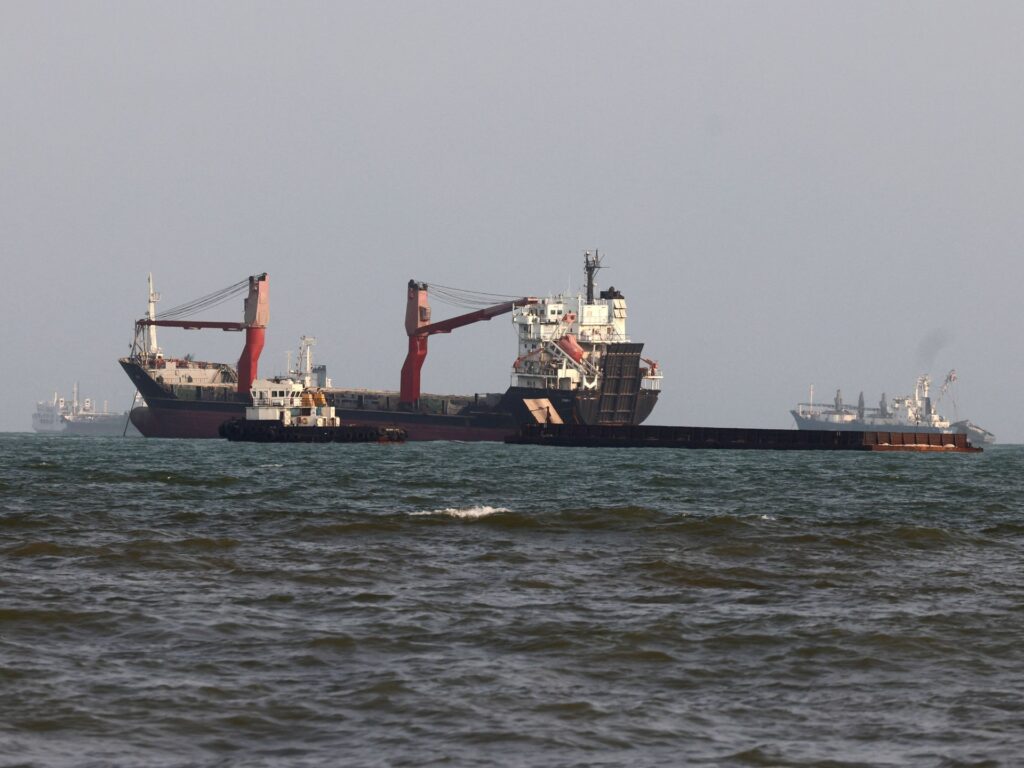
The Strait of Hormuz, a narrow waterway between Oman and Iran, is a vital artery for the world’s energy trade. Roughly 20% of global crude oil shipments pass through its 12‑mile stretch, making it a strategic chokepoint. Any disruption can send shockwaves through global markets, affecting everything from gasoline prices to industrial production. For African countries, many of which import crude or refined products from the Middle East, the strait’s stability is directly tied to national budgets and economic growth.
In recent months, the US has increased naval patrols in the Gulf, deploying destroyers and frigates to deter Iranian provocations. Conversely, Iran has stepped up its own maritime patrols, positioning fast attack craft near the strait’s entrance. The heightened military presence has already led to a handful of tense encounters, prompting both sides to double down on their respective security postures.
Current Deadlock
Mediators, including France, Germany, and the United Arab Emirates, have convened multiple rounds of talks in Geneva and Abu Dhabi, yet progress remains stalled. The core issue revolves around the US’s insistence that Iran lift all sanctions before any substantive dialogue can resume, while Iran argues that its security concerns—particularly the threat of a potential US strike—must be addressed first.
Recent statements from the US State Department underscore that any compromise will be contingent on verifiable steps toward dismantling Iran’s ballistic missile program and nuclear enrichment. Iran’s Foreign Ministry counters that the US has already broken the spirit of the JCPOA by targeting its civilian infrastructure, thereby undermining trust. This mutual distrust has turned the negotiation table into a symbolic arena rather than a productive forum.
The tension escalated on 12 May when an Iranian patrol boat reportedly fired warning shots at a US destroyer that was escorting a commercial vessel. Although no injuries were reported, the incident prompted a stern warning from the US Navy, which reiterated its commitment to safeguarding free navigation in international waters. The event has reignited fears that a miscalculation could trigger a larger conflict in the region.
Why It Matters
Oil markets have already felt the ripple effects. Since the start of the standoff, Brent crude has seen a 12% uptick, while West Texas Intermediate (WTI) has climbed 10%. Analysts warn that a prolonged impasse could push prices higher still, especially if shipping lanes are restricted or if the US imposes further sanctions on Iranian oil exports.
African economies are particularly vulnerable. Nations like Nigeria, Angola, and the Democratic Republic of Congo rely heavily on imports of Middle Eastern crude and refined products. A sharp rise in oil prices strains public finances, potentially leading to cuts in social spending and public sector wages. Moreover, the increased cost of fuel can stifle industrial output and hamper the expansion of renewable energy projects that many African governments are championing.
Beyond economics, the deadlock has diplomatic reverberations. A hardening US stance risks isolating Iran further, which could embolden its allies in the Gulf and the Horn of Africa. Simultaneously, it may push Iran to seek deeper ties with Russia and China, both of whom are already involved in regional security arrangements. This realignment could reshape power dynamics in a way that complicates future conflict resolution efforts.
What’s Next
If the current stalemate persists, the most likely scenario involves a continuation of the status quo: periodic naval skirmishes, sporadic diplomatic gestures, and a slow erosion of confidence on both sides. A breakthrough would require a significant shift in either party’s posture—perhaps a new US administration or a decisive move by Iran to curb its missile program.
International actors will play a decisive role. The European Union has signaled willingness to act as a neutral broker, but its influence is limited by its own economic ties to Iran. Russia and China could leverage their strategic partnerships to push for a détente, especially if they perceive a risk to global energy stability. Gulf Cooperation Council members may also step in, balancing their own security concerns against the need to keep shipping lanes open.
African stakeholders should prepare for a range of outcomes. Diversifying energy sources—through investments in renewables, liquefied natural gas (LNG) imports, and regional power projects—can mitigate exposure to oil price volatility. Additionally, engaging with multilateral institutions to advocate for transparent sanctions regimes and stable trade policies will help protect the continent’s economic interests in a volatile global environment.
Quick Answers
Why is the Strait of Hormuz critical for global oil trade?
It serves as the main passageway for about 20% of the world’s crude oil, so any disruption can quickly raise global oil prices and affect energy supplies worldwide.
What are the main obstacles to US‑Iran talks?
The US demands full lifting of sanctions and verification of Iran’s nuclear and missile programs, while Iran insists on security guarantees and the removal of what it sees as punitive measures.
How could this standoff affect African oil imports?
Higher oil prices would strain national budgets, increase fuel costs, and could lead to cuts in public spending or a slowdown in industrial and renewable energy projects across many African economies.
Source: www.aljazeera.com


💬 Comments 0