US Midterm 2026 Live Results: Indiana & Kentucky Close at 23:00 GMT, Impact on Africa
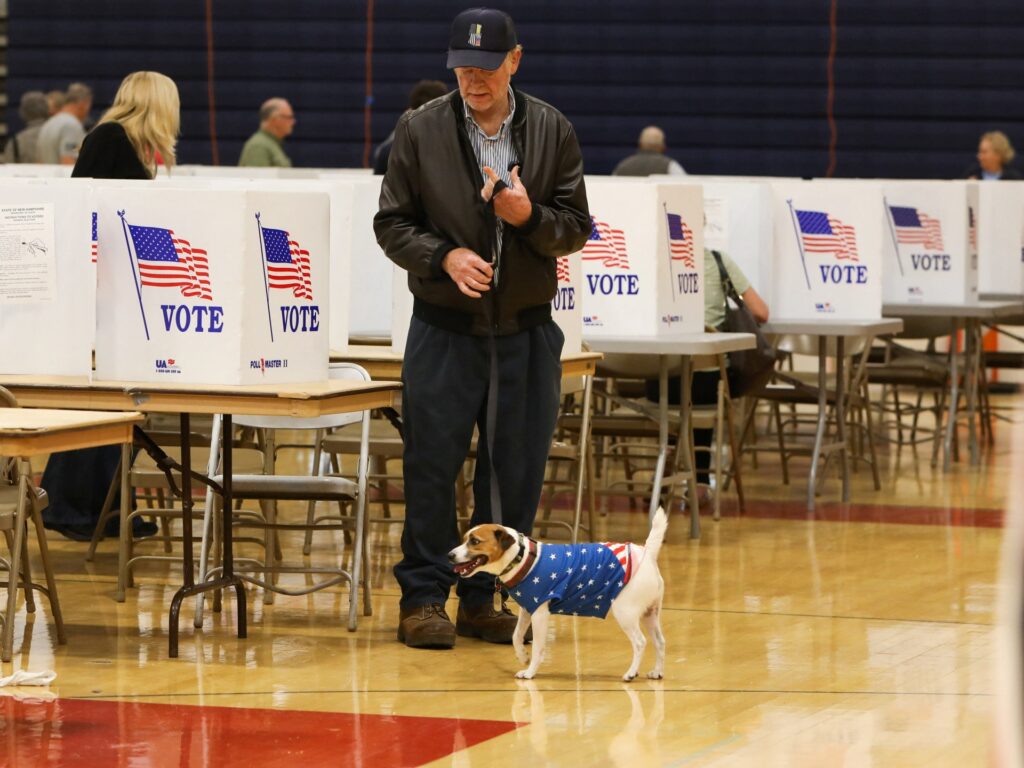
Midterm Countdown: How the US Vote Unfolds
The United States holds its midterm elections every two years, a contest that determines the balance of power in Congress. Voters decide all 435 seats in the House of Representatives and roughly one third of the 100 Senate seats, while also choosing governors in 36 states and dozens of local officials. In 2026, the election is especially consequential because it follows a presidential term marked by heightened attention to climate policy, trade renegotiations, and a renewed focus on Africa‑U.S. strategic partnerships.
Election night is staged in rolling waves across time zones, a practice that dates back to the 19th century when limited transportation meant results could take days to travel. Today, the staggered closures are designed to manage the flow of data, keep the public informed, and give media outlets a chance to verify results before national headlines emerge. The earliest states to report tonight are Indiana and Kentucky, where polls close at 23:00 GMT (6:00 p.m. local time).
The timing matters for global markets and foreign policy watchers because early returns often set the narrative for the night. A strong showing for one party can shift expectations about legislative agendas, budget priorities, and foreign aid allocations. Analysts therefore watch the first handful of states for clues about whether the incumbent party will retain control of the House or if a swing could reshape the Senate’s composition.
Early Results from Indiana and Kentucky
Indiana, a traditionally Republican stronghold, opened the night with a tight race for its 9th congressional district, where a Democratic challenger is banking on suburban voters’ concerns about healthcare costs. Preliminary tallies released by the Indiana State Election Commission show the Republican incumbent leading by roughly 3 percentage points, but the margin is within the range that could trigger a recount under state law.
In Kentucky, the Senate race is the headline. The incumbent Republican senator, who has championed tax cuts for the coal industry, faces a Democratic opponent focused on renewable energy investment and education funding. Early exit polls, reported by the Kentucky Secretary of State’s office, suggest the race is within a half‑point swing, making it one of the nation’s most closely watched contests. If the Democrat flips the seat, it could be the decisive vote that determines Senate control.
Both states also feature ballot measures that, while local, have national resonance. Indiana’s proposal to expand school choice has drawn attention from education advocacy groups, while Kentucky’s amendment to increase the state minimum wage could influence labor policy debates in other swing states. These measures are being reported alongside the candidate totals, adding layers to the early narrative.
Implications for Africa: Aid, Trade, and the Diaspora
The composition of the U.S. Congress directly shapes the scale and direction of American foreign assistance to Africa. In the past two years, the House Foreign Affairs Committee approved a $2 billion increase in development funding for West African health systems, a move championed by several bipartisan members. If the opposition party gains a majority, that funding could be re‑evaluated, potentially slowing projects that have already begun to curb malaria and improve maternal health in Nigeria and Ghana.
Trade policy is another arena where midterm outcomes matter. The United States‑Africa Trade and Investment Partnership, negotiated during the previous congressional session, requires periodic authorization to maintain tariff reductions for African textile exporters. A shift toward a more protectionist Senate could lead to renewed tariffs on African garments, hurting economies that rely on U.S. market access, such as Ethiopia’s burgeoning apparel sector.
For the African diaspora in the United States—estimated at over 22 million people—the midterms affect community representation. Several African‑American candidates of immigrant descent are on the ballot, and their success could amplify advocacy for issues like visa reforms and anti‑discrimination legislation. Moreover, diaspora remittance flows, which total roughly $90 billion annually to the continent, often respond to perceived stability in U.S. fiscal policy; a volatile Congress can cause short‑term fluctuations in exchange rates that impact these transfers.
Looking Ahead: What the Final Count Could Change
As polls close across the Central and Pacific time zones, the nation will watch for any swing that could tip the House or Senate balance. Political scientists at the Brookings Institution warn that a narrow Senate split—say 51‑49—would force both parties to negotiate on major bills, including the FY 2027 appropriations package that funds the U.S. Agency for International Development’s (USAID) Africa programs. A deadlock could delay disbursements, affecting everything from agricultural research in Kenya to infrastructure projects in Tanzania.
Investors are also calibrating their strategies. The MSCI Emerging Markets Index, which includes several African economies, often reacts to U.S. fiscal policy signals. A Congress that leans toward increased spending on renewable energy could boost green bond issuances in South Africa, while a shift toward austerity might dampen investor confidence in emerging market equities.
Finally, the outcomes will shape the diplomatic tone for the next two years. The U.S. Department of State’s Africa bureau, currently led by a career diplomat with a focus on security cooperation, will have to align its agenda with the legislative priorities set by the new Congress. Whether the focus stays on counter‑terrorism partnerships in the Sahel or pivots to climate resilience in the Horn of Africa will depend on which committees control the budget and foreign affairs portfolios.
Quick Answers
When do polls close in Indiana and Kentucky during the 2026 US midterms?
Both states close their polls at 23:00 GMT (6:00 p.m. local time) on election night.
What US midterm issues could affect African aid and trade?
Congressional control influences the size of development budgets, tariff agreements, and the authorization of trade partnerships that directly impact African health programs and export markets.
How might the midterm results impact the African diaspora in the US?
The election could alter representation for diaspora‑focused legislators, affect visa and immigration policies, and cause short‑term shifts in remittance flows due to changes in fiscal stability.
Source: www.aljazeera.com




💬 Comments 0