US prosecutors reopen 2024 Cornell fraternity gang rape case after civil lawsuit filing
Background: the original allegation and legal landscape
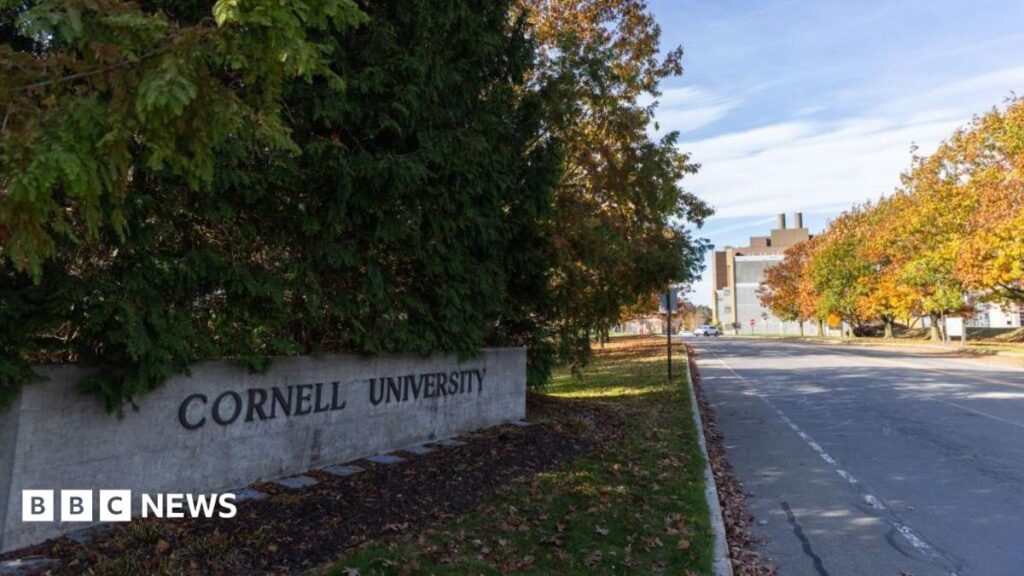
In the spring of 2024, a female student at Cornell University alleged that she was drugged and subsequently gang‑raped inside a fraternity house on campus. The incident, which sparked protests and calls for stricter oversight of Greek life, was initially investigated by university officials under Title IX but did not result in criminal charges at the time. The lack of a prosecution left the case in a legal limbo, a situation not uncommon in U.S. campus sexual‑assault investigations where evidentiary standards often clash with victims’ accounts.
Federal prosecutors in the Eastern District of New York had reviewed the evidence but, according to court filings, declined to pursue charges due to “insufficient probable cause.” That decision was later challenged by the victim, who argued that the investigation was hampered by procedural delays and a culture of silence surrounding fraternity misconduct. The decision not to charge drew criticism from advocacy groups who said it reflected broader systemic failures in handling campus sexual violence.
The civil lawsuit that forced a second look
In August 2026 the survivor filed a civil lawsuit against the fraternity, its national organization, and Cornell University, alleging negligence, failure to protect students, and violations of both state and federal law. The complaint claims the fraternity ignored warning signs, allowed a hostile environment, and failed to cooperate with the university’s Title IX office. Lawyers for the plaintiff argue that the civil action uncovers new evidence – including text messages and witness statements – that were not fully considered during the original criminal inquiry.
The filing prompted the U.S. Attorney’s Office to reopen the case, a move that is relatively rare but not unprecedented. According to a spokesperson for the office, the decision was driven by “newly surfaced factual information” that could affect the assessment of probable cause. The reopening does not guarantee an indictment, but it signals that federal prosecutors are willing to re‑evaluate cases when fresh evidence emerges, a trend observed in other high‑profile campus assault investigations over the past few years.
Why the reopening matters for the U.S. justice system and campus culture
The renewed federal interest underscores a shift toward greater accountability for Greek‑life organizations, which have long been shielded by alumni influence and campus tradition. Legal scholars note that reopening cases can pressure fraternities to adopt stricter anti‑harassment policies, improve reporting mechanisms, and increase transparency with law‑enforcement agencies. Moreover, the case tests the limits of Title IX enforcement when criminal and civil jurisdictions intersect, potentially setting a precedent for how universities collaborate with federal prosecutors on sexual‑assault allegations.
Critics warn that the focus on high‑profile universities like Cornell may divert resources from smaller colleges where reporting rates are even lower. Nonetheless, the public scrutiny generated by this case could catalyze broader reforms, such as mandatory third‑party investigations of fraternity incidents and stronger penalties for institutions that fail to act. If the federal case proceeds to trial, it could also influence how evidence – especially digital communications and forensic data – is preserved and shared in future campus investigations.
Implications for African students, diaspora communities, and universities back home
Cornell hosts a sizable cohort of African and African‑diaspora students, many of whom rely on fraternity networks for social integration and professional connections. The reopening of this case raises concerns among these students about safety, cultural misunderstandings, and the adequacy of support services offered by U.S. campuses. According to the African Students Association at Cornell, the incident has sparked a dialogue about how cultural stigma around sexual violence can impede reporting among international students.
Beyond the United States, the case resonates with African universities that are grappling with their own campus‑safety challenges. In Nigeria, for example, the 2023 amendment to the Violence Against Persons (Prohibition) Act encouraged institutions to adopt stricter sexual‑harassment policies, yet enforcement remains patchy. Observers note that the Cornell saga may serve as a cautionary tale for African higher‑education leaders, highlighting the need for transparent grievance mechanisms, survivor‑centered support, and independent oversight bodies that can operate without fear of institutional backlash.
What’s next: potential outcomes and the broader trend of revisiting campus assault cases
If federal prosecutors decide to file charges, the case could proceed to a grand jury, where the new evidence cited in the civil suit will be examined. A conviction would be groundbreaking, potentially encouraging other victims to come forward and prompting universities to reassess their internal investigations. Conversely, a decision not to prosecute could reinforce critics’ claims that the criminal justice system remains ill‑equipped to handle complex campus‑based sexual‑assault cases, reinforcing calls for legislative reform at the federal level.
The Cornell reopening fits into a larger pattern of U.S. authorities revisiting previously closed campus‑assault investigations, a trend that gained momentum after the 2021 Department of Education’s “Dear Colleague” letter clarified Title IX obligations. As more survivors pursue civil litigation, prosecutors may increasingly rely on those filings to uncover evidence previously overlooked. For African students studying abroad, the evolving legal landscape underscores the importance of understanding both U.S. and home‑country rights, and may shape how diaspora communities lobby for stronger protections in their own institutions.
Quick Answers
Why did US prosecutors decide to reopen the Cornell fraternity rape case?
They cited new factual information uncovered in a civil lawsuit that could affect the assessment of probable cause.
How could this case affect African students studying in the US?
It raises concerns about campus safety, cultural barriers to reporting, and may prompt universities to improve support services for international students.
What precedent might the reopening set for future campus sexual‑assault investigations?
It could encourage more collaboration between universities and federal prosecutors and push fraternities to adopt stricter anti‑harassment policies.
Source: www.bbc.co.uk




💬 Comments 0