US revokes 600+ visas in birth‑tourism crackdown, impact on Nigerian travelers 2026
Background: How birth tourism became a loophole
Birth tourism—foreign nationals travelling to the United States solely to give birth—has grown into a niche industry over the past decade. Children born on U.S. soil automatically acquire citizenship, and parents hope to leverage that status for future education, work permits, or family reunification. While the practice is legal when done transparently, a shadow market emerged that packages flights, accommodation, and medical appointments for a fee, often skirting visa requirements.
Nigeria, along with several other African nations, has been a notable source of birth‑tourists. Consulates in Lagos and Abuja reported a steady rise in B‑2 visitor visa applications citing “medical treatment” or “family visit” as reasons, even when the primary intention was childbirth. The lucrative nature of the trade has attracted travel agencies, some of which have been accused of falsifying documents to secure visas for pregnant clients.
The crackdown: 600+ visas revoked in a single month
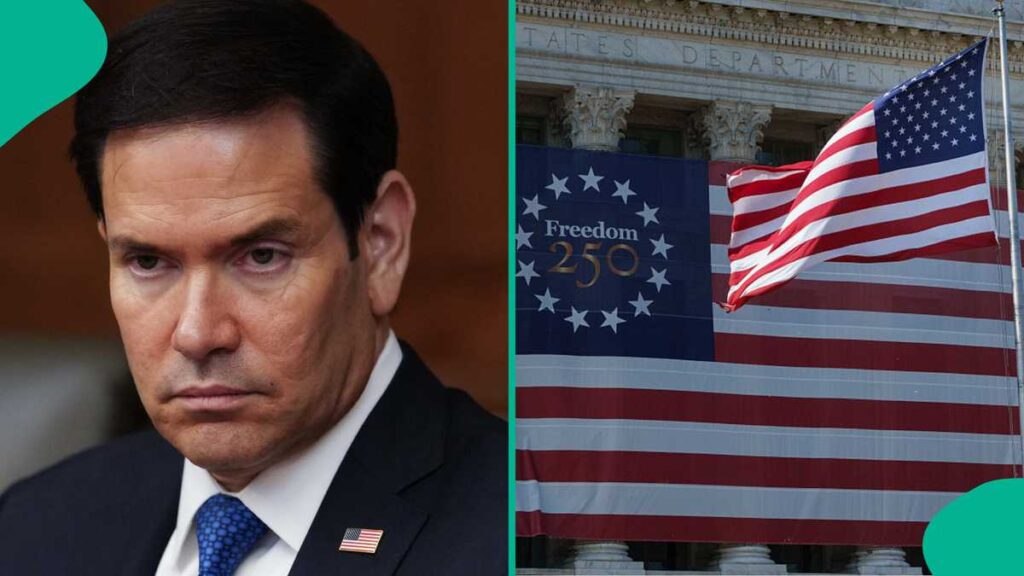
In July 2026, the U.S. State Department announced that more than 600 visitor visas had been revoked in the previous month as part of a targeted task force against fraudulent birth‑tourism schemes. Senator Marco Rubio, who chairs the Senate Foreign Relations Committee, highlighted the operation as “the most aggressive enforcement action since the program’s inception.” The task force, assembled by the Department of State and the Department of Homeland Security, cross‑checked visa applications with hospital records and airline bookings to identify inconsistencies.
According to a statement from the State Department, the revocations affected applicants from a dozen countries, with Nigerians representing the largest single nationality. The agency said the action was intended to protect the integrity of the U.S. immigration system and to deter agencies that profit from exploiting loopholes. While the exact number of people whose visas were cancelled remains confidential, immigration attorneys estimate that the ripple effect could touch thousands of family members who were scheduled to travel for other legitimate reasons.
Why the move matters for Nigerians and the wider African diaspora
For many Nigerians, a U.S. birth certificate is seen as a passport to better educational and economic opportunities for the next generation. The sudden revocation of visas therefore disrupts long‑term family planning strategies that have been built around the prospect of dual citizenship. Diaspora organisations in Lagos and Abuja have warned that the crackdown could push hopeful parents toward riskier, undocumented routes, increasing the likelihood of human‑smuggling incidents.
Beyond individual families, the policy shift signals a broader reassessment of how the United States views immigration from Africa. Analysts at the African Development Bank note that tightening visa issuance may affect not only birth‑tourism but also legitimate business travel, academic exchanges, and medical tourism—sectors that together generate an estimated $1.2 billion in annual revenue for Nigeria’s travel and hospitality industry.
Economic and social ripple effects at home
Travel agencies that specialised in birth‑tourism have reported a sharp drop in inquiries since the revocations were announced. One Lagos‑based firm, which declined to be named, said its pipeline of clients fell by 70 % within weeks, forcing the business to lay off staff and pivot toward standard tourism packages. The contraction threatens ancillary services such as airport transfers, hotel bookings, and even local medical clinics that had previously benefited from the influx of foreign patients.
Remittance flows may also feel the impact. While the direct financial contribution of birth‑tourism to Nigeria’s economy is modest compared to traditional remittances, the indirect effect—through increased travel spending and ancillary services—has been measurable. The Central Bank of Nigeria’s latest quarterly report hinted at a slight dip in foreign exchange earnings from the travel sector, attributing part of the decline to “tighter visa controls in key destination markets.”
What’s next: Policy outlook and advice for prospective travelers
The State Department has signalled that the task force will continue monitoring visa applications for signs of fraud, but it has not indicated a permanent ban on birth‑tourism. Immigration experts suggest that future applicants may face more rigorous documentation checks, including proof of medical appointments and clear ties to their home country. For Nigerians, the safest route is to apply for a standard B‑2 visitor visa with a transparent itinerary and to avoid agencies that promise guaranteed birth‑tourist outcomes.
Community leaders are urging the Nigerian government to provide clearer guidance on legitimate travel purposes and to crack down on local operators that facilitate illegal schemes. Some lawmakers have proposed a joint bilateral dialogue with the United States to establish a framework that distinguishes genuine medical tourism from fraudulent birth‑tourism, potentially preserving a channel for lawful travel while protecting both nations’ immigration integrity.
Quick Answers
How many U.S. visas were revoked in the 2026 birth‑tourism crackdown?
More than 600 visitor visas were cancelled in a single month, according to the U.S. State Department.
Will Nigerians still be able to travel to the U.S. for legitimate reasons?
Yes, legitimate travel is still permitted, but applicants may face stricter document checks and should avoid agencies that promise guaranteed birth‑tourist outcomes.
What impact could the crackdown have on Nigeria’s travel industry?
The crackdown has already reduced demand for agencies that specialised in birth‑tourism, leading to staff cuts and a dip in foreign‑exchange earnings from related travel services.
Source: www.legit.ng



💬 Comments 0