US sailors shop in Pattaya after 250‑day voyage – morale boost, tourism surge and Indo‑Pacific implications
A historic 250‑day deployment ends in Thailand
In early September 2026, a US Navy surface action group that had been at sea for 250 days finally docked in the Thai resort city of Pattaya. The ships, part of the forward‑deployed naval presence that underpins the United States’ Indo‑Pacific strategy, had been conducting a mix of freedom‑of‑navigation patrols, joint exercises with allies such as Japan and Australia, and anti‑piracy operations off the coast of Somalia before turning eastward through the Indian Ocean.
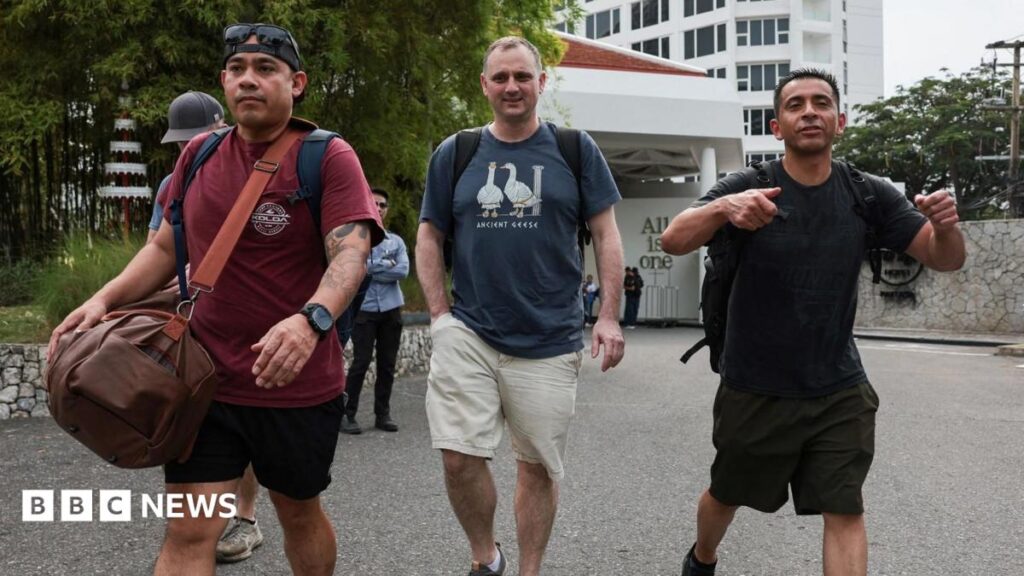
The lengthy deployment broke several internal Navy records for continuous sea time, a fact highlighted by the sailors’ visible fatigue and the crisp, regulation‑style haircuts that contrasted sharply with the laid‑back flip‑flops of the local crowds. Their arrival was not just a logistical checkpoint; it was a morale milestone that allowed thousands of crew members to step off the decks and into a civilian world for the first time in months.
Shore leave in Pattaya: shopping, bars and a taste of normal life
Within hours of docking, US sailors flooded the city’s bustling markets, buying everything from Thai silk scarves to electronics and snacks for the long journey home. According to local vendors, sales spiked by roughly 30 % compared to a typical weekend, a surge that was attributed to the sudden influx of uniformed visitors.
Evening saw the sailors heading to the famous Pattaya nightlife strip, where they mixed with tourists and locals alike. The BBC’s Jonathan Head noted that the sailors’ military‑style haircuts and moustaches made them stand out amid the sea of sandals and beachwear, turning the sailors into a kind of walking spectacle that drew extra attention – and extra tips – from bar staff.
Why shore leave matters for crews and the wider Navy
Extended deployments are known to strain mental health, increase fatigue and erode unit cohesion. The US Navy’s own research shows that a 30‑day shore leave after a six‑month deployment can cut post‑deployment stress symptoms by up to 40 %. By allowing sailors to shop, eat, and unwind, the Navy hopes to reset morale and reduce the risk of disciplinary incidents when the ships return to sea.
From an operational perspective, a well‑rested crew translates into higher readiness levels for the next rotation. The sailors who spent weeks on anti‑piracy missions off the Horn of Africa, for example, will now be better prepared for upcoming joint drills with the Philippines, where the United States is seeking to counterbalance China’s growing naval footprint.
Economic ripple: Thai tourism and small‑business boost
Pattaya’s economy relies heavily on short‑term tourism, and a sudden surge of 2,000‑plus US service members created a micro‑boom for street vendors, souvenir shops, and night‑life venues. The Thailand Ministry of Tourism reported that the sailors’ spending added an estimated US$1.2 million to the local economy over a three‑day period, a figure that dwarfs typical weekend earnings for many small traders.
Local business owners also see the visit as a branding opportunity. Some shops began offering “US Navy discounts” and displayed American flags to attract the uniformed crowd. This kind of ad‑hoc marketing can have lasting effects, as returning sailors often recommend the destination to friends and family back home, potentially driving future tourism spikes.
African relevance: maritime security cooperation and lessons learned
While the story unfolds in Thailand, its implications echo across Africa’s own maritime challenges. The US Navy’s anti‑piracy operations off Somalia have been a cornerstone of regional security for over a decade, and the same ships now returning from the Indian Ocean are the ones that have partnered with the Nigerian Navy on joint exercises in Lagos earlier this year.
African navies are watching the US approach to long‑duration deployments, especially the emphasis on crew welfare through shore leave. Nigerian and Kenyan naval officers who trained alongside US sailors have reportedly requested similar rest‑and‑recovery protocols for their own crews, citing the positive impact on operational effectiveness. The Pattaya stop thus serves as a live case study for African maritime forces seeking to balance high‑tempo missions with personnel sustainability.
What comes next: future deployments and diplomatic signals
After a brief respite, the US ships are slated to head north toward the South China Sea for a series of freedom‑of‑navigation operations slated for late 2026. The timing aligns with a scheduled summit in Jakarta where the United States will reaffirm its “Free and Open Indo‑Pacific” pledge, a message that reverberates in African ports that host US naval visits, such as Mombasa and Dakar.
For the sailors, the Pattaya stop is a brief but vital pause before the next operational stretch. For Thailand, the visit underscores its role as a strategic hospitality hub for foreign militaries, a role that can translate into greater leverage in regional diplomatic negotiations. And for African partners, the episode reinforces the importance of integrating crew‑wellbeing into joint maritime security frameworks, a lesson that could shape future training curricula across the continent.
Quick Answers
Why do US sailors get shore leave after long deployments?
Shore leave helps reduce fatigue, improves mental health and restores crew readiness, which is essential for maintaining operational effectiveness on future missions.
How much did US sailors spend in Pattaya during their visit?
Local estimates suggest the sailors injected about US$1.2 million into Pattaya’s economy over three days, boosting sales for markets, shops and nightlife venues.
What relevance does the Pattaya stop have for African naval forces?
African navies view the US focus on crew welfare and joint anti‑piracy work as a model, and officers have cited the Pattaya shore‑leave example when advocating for similar rest policies in African fleets.
Source: www.bbc.co.uk




💬 Comments 0