USS Abraham Lincoln’s Rusty Docking in Thailand Sparks US Navy Readiness Concerns, Impacts African Maritime Strategy 2026
Background: The carrier and its Indo‑Pacific role
The USS Abraham Lincoln (CVN‑72) is the third Nimitz‑class nuclear‑powered aircraft carrier in the U.S. Navy’s fleet, commissioned in 1989 and regularly deployed as the flagship of carrier strike groups (CSGs). In 2024 the Navy announced a shift to a higher‑tempo presence in the Indo‑Pacific, aiming to counter China’s expanding naval footprint and protect sea‑lane security for global trade.
A carrier strike group typically includes a destroyer squadron, a submarine, and logistics vessels, forming a mobile air‑and‑sea platform capable of power projection, humanitarian assistance, and joint exercises with partner nations. The Lincoln’s most recent deployment, launched in early 2026, was billed as a “strategic outreach” tour, with port calls in Japan, the Philippines, and finally Thailand.
The Thailand stop and the rust controversy
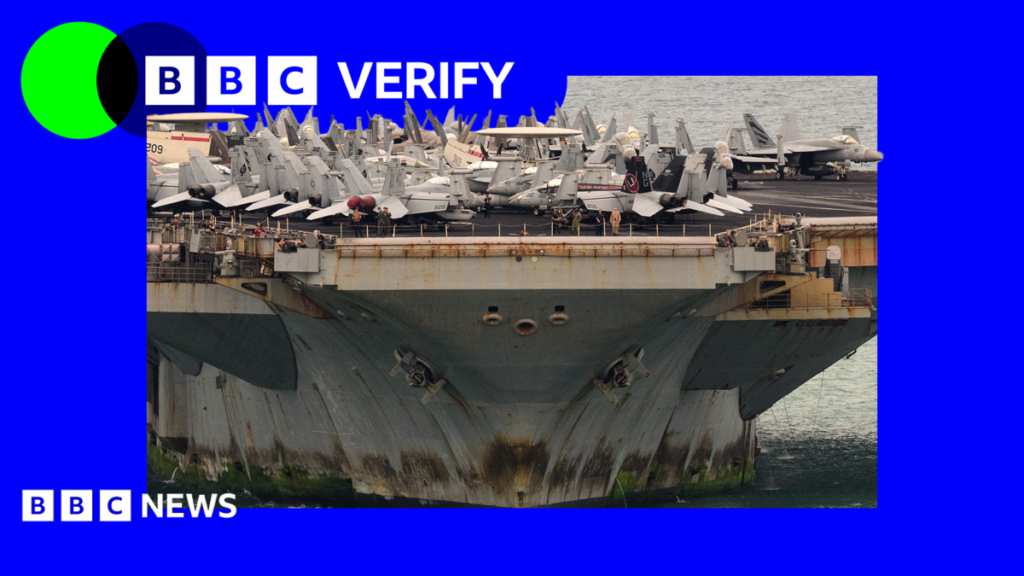
When the Lincoln entered the port of Laem Chabang on 2 September 2026, onlookers and local media noted visible corrosion on the flight deck and superstructure – a stark contrast to the pristine image usually associated with U.S. warships. Photographs showed rust streaks along the flight‑deck edges and a dull, weathered paint finish on the island’s forward deck.
Thai defence officials initially brushed off the observations as “normal wear” after a long sea‑run, but naval analysts quickly pointed out that the carrier had been at sea for over 180 days without a scheduled dry‑dock. According to a report by the International Institute for Strategic Studies, the Lincoln’s last major maintenance period was in 2022, and a routine “inter‑deployment inspection” was delayed due to budget constraints.
Why the ship’s condition matters beyond aesthetics
A carrier’s operational readiness hinges on the integrity of its hull and flight deck; corrosion can affect flight‑deck traction, aircraft launch safety, and the ship’s overall structural strength. In 2025 the U.S. Navy admitted that deferred maintenance across several surface combatants had risen to $12 billion, prompting a congressional hearing on the fleet’s “maintenance backlog.”
The visual state of the Lincoln also carries symbolic weight. For partner navies, especially those in the Indo‑Pacific, a visibly deteriorating carrier can undermine confidence in U.S. commitment to collective security. As the Pentagon’s own press release noted, “presence is as much about perception as capability.”
African implications: maritime security and trade routes
While the incident unfolded far from African waters, it reverberates across the continent’s maritime strategy. The Indian Ocean, a key conduit for oil, minerals, and consumer goods from East Africa to Europe and Asia, is increasingly contested by piracy, illegal fishing, and great‑power rivalry. African navies, from Kenya to Mozambique, rely on U.S. training missions and joint exercises to build anti‑piracy capacity.
If the U.S. carrier fleet shows signs of strain, African partners may reassess the reliability of American naval support in the region. In a recent interview, a senior officer at the African Union’s Maritime Security Centre said that “consistent, well‑maintained U.S. assets are a cornerstone of our deterrence posture against piracy and illicit trafficking.” The Lincoln’s condition could therefore influence future funding allocations for joint patrols and the procurement of African‑built patrol vessels under the U.S. “Indo‑Pacific‑Africa” initiative launched in 2023.
Reactions: From Washington to Bangkok and beyond
The U.S. Navy’s public affairs office responded on 4 September, stating that “the carrier underwent a thorough inspection and any corrosion identified has been addressed according to Navy standards.” The statement emphasized that the ship remained fully mission‑capable and that a scheduled maintenance period in Singapore was planned for later in the year.
Thai officials, speaking through the Ministry of Defence, welcomed the carrier’s visit as a sign of “strong bilateral ties” and downplayed the rust issue, noting that Thailand’s own navy faces similar maintenance challenges. Meanwhile, social‑media commentary across Africa highlighted the incident as a “wake‑up call” for African governments to diversify security partners, with some policymakers calling for greater investment in regional shipbuilding programs in South Africa and Nigeria.
What’s next: Maintenance, deployment cycles, and African engagement
The Lincoln is slated to enter a 30‑day dry‑dock in Singapore’s Sembcorp Marine yard in November 2026, where the Navy plans to replace sections of the flight‑deck coating and conduct hull‑integrity repairs. Navy budget documents released in August indicate that the ship will also receive an upgraded radar suite as part of the “Enterprise‑Level Modernisation” program.
For African stakeholders, the episode underscores the urgency of building indigenous maintenance capabilities. South Africa’s Naval Dockyard in Simon’s Town has recently secured a contract to service U.S. littoral combat ships, a move that could reduce reliance on distant U.S. facilities. Moreover, the African Union’s upcoming summit on maritime security in Nairobi (December 2026) is expected to feature a panel on “Allied Fleet Readiness and African Maritime Resilience,” directly linking the Lincoln incident to continental policy discussions.
Quick Answers
Why did the USS Abraham Lincoln appear rusty when it docked in Thailand?
The carrier had been at sea for over six months without a scheduled dry‑dock, and routine inspections revealed surface corrosion that was later treated during a planned maintenance period.
How could the condition of a US carrier affect African maritime security?
African navies rely on U.S. training and joint patrols; visible maintenance shortfalls may raise doubts about the reliability of U.S. support in the Indian Ocean, prompting African states to seek alternative partnerships and boost local ship‑building.
When will the USS Abraham Lincoln undergo major repairs?
The carrier is scheduled for a 30‑day dry‑dock in Singapore’s Sembcorp Marine yard in November 2026, where hull and flight‑deck work will be completed.
Source: www.bbc.co.uk




💬 Comments 0