White House pulls Tetris‑style ‘Build The Wall’ game after copyright claim, 2026
Background: a political parody meets a classic puzzle
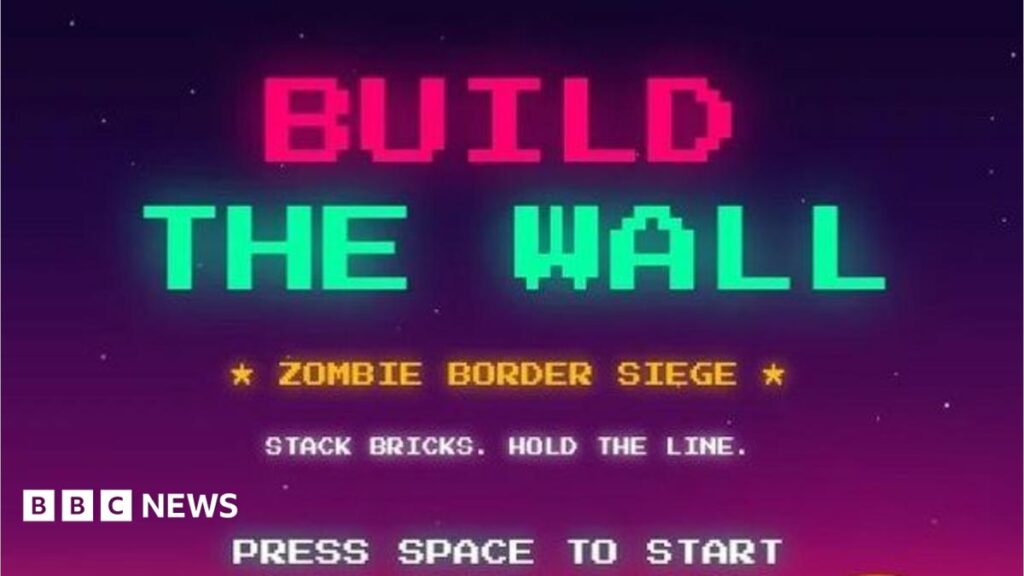
In early September 2026 the White House released a browser‑based game called “Build The Wall,” which borrowed the falling‑block mechanics of the iconic Tetris franchise. The game was positioned as a tongue‑in‑cheek critique of former President Donald Trump’s border‑wall rhetoric, letting players stack blocks to create a virtual wall while earning points for speed.
Within days, the game vanished from the official White House website. The Tetris Company, which holds the worldwide copyright to the Tetris brand, issued a statement saying it “takes copyright infringement very seriously” and that it had not been consulted about the project. The removal sparked a flurry of social‑media commentary about free speech, political satire, and intellectual‑property rights.
Legal tug‑of‑war: why copyright matters even for satire
U.S. copyright law protects the expressive elements of a game—its visual design, code, and specific gameplay mechanics—when they are original enough to merit protection. While parody is a recognized defense, it must still transform the original work enough to avoid market confusion. Legal experts cited by *The Verge* noted that the White House’s version replicated Tetris’s core drop‑and‑rotate mechanics, making it vulnerable to a claim of infringement despite its political message.
The Tetris Company’s swift response illustrates a broader trend of rights holders policing digital derivatives more aggressively. In recent years, the company has sent cease‑and‑desist letters to creators of fan‑made apps, streaming overlays, and even AI‑generated art that echo its trademarked look. The “Build The Wall” episode adds a high‑profile political dimension to that enforcement pattern.
Why the dispute matters beyond Washington
The controversy highlights a clash between two powerful cultural forces: political satire that relies on rapid digital distribution, and the tightening grip of copyright owners on their assets. For journalists and meme creators, the case raises the question of how far they can go when repurposing beloved game mechanics for commentary without risking legal action.
At the same time, the incident underscores the growing importance of video‑game aesthetics in political messaging. Campaigns worldwide are now commissioning mini‑games, AR filters, and interactive experiences to reach younger voters. The White House’s brief foray into this arena, and its abrupt shutdown, serves as a cautionary tale for any government or activist group that wants to ride the wave of gamified persuasion.
African gaming ecosystem: a ripple effect
Africa’s mobile‑gaming market is booming, with an estimated 600 million active gamers across the continent by 2025. Local studios increasingly draw on global game designs, remixing familiar mechanics to tell African stories. The “Build The Wall” fallout is already being discussed in Lagos and Nairobi tech circles as a reminder that even a politically motivated, non‑commercial project can trigger copyright enforcement.
Developers such as Nigeria’s Maliyo Games and Kenya’s Leti Arts have spoken out about the need for clearer fair‑use guidelines that accommodate satire and cultural commentary. If rights holders continue to pursue aggressive takedowns, African creators may face higher legal costs or be forced to reinvent core gameplay loops, potentially slowing the rapid innovation that has characterized the continent’s indie scene.
What’s next: possible outcomes and lessons for creators
Legal scholars predict three likely paths. First, the White House could negotiate a retroactive licensing deal with The Tetris Company, allowing the game to return with a disclaimer. Second, the game might stay offline, prompting the administration to develop original, in‑house mechanics for future political games. Third, the episode could inspire a wave of “copyright‑safe” satire, where designers deliberately avoid direct replication of protected gameplay.
For African developers and diaspora creators, the key takeaway is to embed robust IP checks early in the design process. Many regional incubators are now offering short workshops on copyright basics, and some are partnering with legal tech firms to automate risk assessments. By treating intellectual‑property compliance as a design constraint rather than an afterthought, studios can safeguard their projects while still delivering bold, socially relevant content.
Quick Answers
Why was the White House’s ‘Build The Wall’ game taken down?
The Tetris Company claimed the game copied its protected mechanics, and copyright law forced the White House to remove it.
Does this affect African game developers?
Yes; the case highlights the need for clear fair‑use rules, prompting African studios to review how they adapt global game designs.
Can political satire still use popular game formats?
Satire is allowed under U.S. law, but it must transform the original work enough to avoid infringement, which can be a legal gray area.
Source: www.bbc.co.uk




💬 Comments 0