WHO confirms no plague case after Russian lab worker death, 2026 incident details
Background: plague’s lingering shadow and modern lab work
Plague, caused by the bacterium *Yersinia pestis*, has haunted humanity for centuries, most famously during the Black Death that wiped out a third of Europe’s population in the 14th century. Today, the disease is rare but still endemic in parts of Africa, Asia and the western United States, where occasional human cases are linked to rodent reservoirs and flea bites.
Modern science has turned the same pathogen into a research focus, with laboratories around the world studying its genetics to develop better diagnostics and vaccines. These high‑containment facilities operate under strict biosafety level 3 (BSL‑3) or 4 (BSL‑4) protocols, designed to prevent accidental release. Nonetheless, accidents have happened, and each incident prompts a fresh look at how safely the world handles deadly microbes.
The Russian incident: a death, not a disease outbreak
In early September 2026, a 34‑year‑old laboratory technician at a federal research centre in Moscow died after reportedly contracting a severe respiratory infection. Initial media speculation linked his illness to plague, because the lab is known to study *Y. pestis* as part of a national biodefence programme. Russian officials announced that an autopsy would be performed, but they withheld details pending the results.
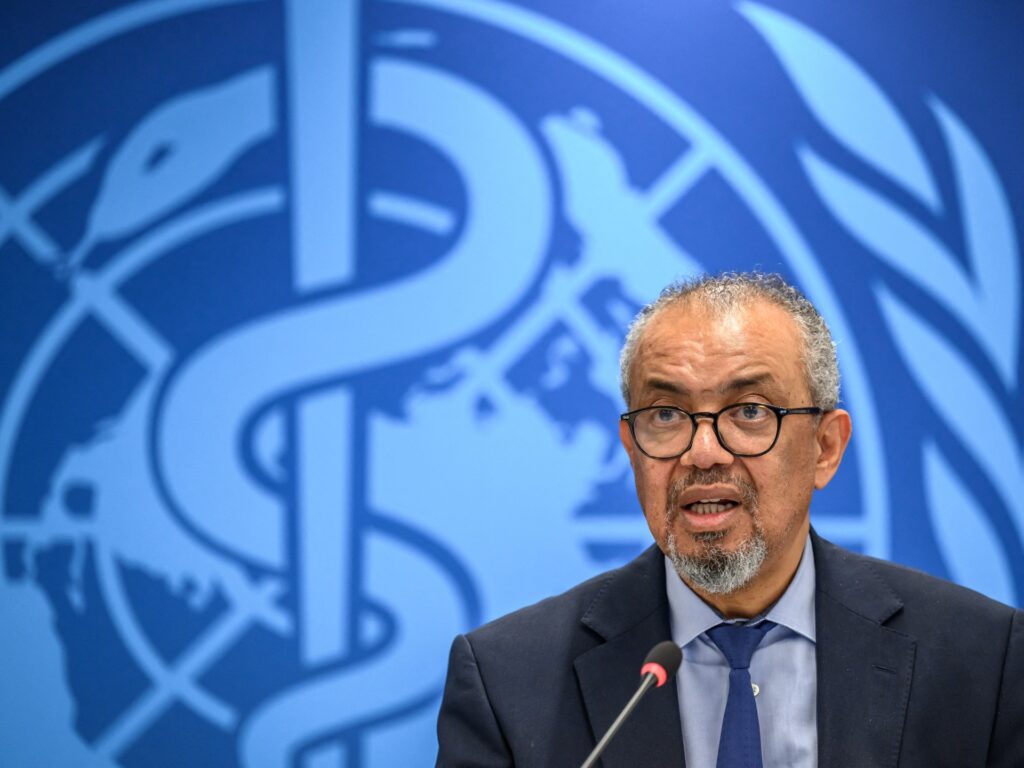
The World Health Organization (WHO) stepped in to assess the public‑health risk. On 9 October 2026, WHO’s spokesperson stated that no laboratory‑confirmed plague case had been registered and that there was no evidence of ongoing transmission among staff or the wider community. The agency emphasized that the key uncertainty remained the exact cause of death, not an outbreak of the historic disease.
Why the world is watching: biosafety, trust and pandemic preparedness
Even without a confirmed plague case, the episode raises alarm bells about laboratory safety standards in nations that house high‑risk pathogens. A breach—real or perceived—can erode public confidence in health institutions, making it harder to implement emergency measures if a true outbreak does occur. The WHO’s swift clarification aims to curb panic, but the incident also spotlights gaps in international oversight of BSL‑3/4 facilities.
Experts argue that the Russian case underscores the need for a globally coordinated audit system, similar to the International Health Regulations (IHR) that monitor disease spread. According to a senior epidemiologist at the London School of Hygiene & Tropical Medicine, “When a lab worker dies under mysterious circumstances, the ripple effect touches every country that relies on the same pathogen research for vaccine development.” The incident therefore feeds into broader debates about how nations share biosafety data while protecting national security interests.
African angle: endemic plague zones and the continent’s preparedness
Four African nations—Madagascar, the Democratic Republic of Congo, Uganda and Tanzania—report the majority of the world’s plague cases each year, primarily the bubonic form transmitted by rodent fleas. While the Russian laboratory is geographically distant, any hint of a plague‑related mishap reverberates across these endemic regions, where health systems already grapple with limited diagnostic capacity.
Public‑health officials in Madagascar, which suffered a massive outbreak in 2017, say that international confidence in plague surveillance is fragile. “If a lab in a high‑resource country cannot guarantee safety, it makes our own challenges look even bigger,” explained Dr. Lalao Rasoanaivo of the Ministry of Public Health. Moreover, diaspora communities from plague‑endemic African countries living in Europe and Russia often monitor such stories closely, fearing stigma or travel restrictions that could affect remittances and family reunifications.
Reactions and next steps: WHO, Russia and the global lab community
The WHO announced that it will continue to work with Russian health authorities to obtain the final autopsy report and to verify that all containment measures were followed. In a statement, the agency also offered technical assistance to any country that wishes to review its own plague‑related laboratories, a move welcomed by several African ministries of health that have asked for capacity‑building support.
Russia’s health ministry, while defending its laboratory protocols, said it would launch an internal investigation and share findings with the WHO. International scientific societies, such as the International Society for Infectious Diseases, have called for a transparent publication of the investigation’s conclusions, arguing that openness is the only way to restore trust among collaborators worldwide.
Looking ahead: lessons for global health security and Africa’s role
The episode serves as a reminder that disease control is a shared responsibility, regardless of whether the pathogen is circulating in the wild or confined to a lab bench. For Africa, the incident could become a catalyst for strengthening regional plague surveillance networks, which the Africa Centres for Disease Control and Prevention (Africa CDC) has been expanding since 2022. Enhanced laboratory capacity, coupled with real‑time data sharing, would help the continent detect true outbreaks faster and avoid false alarms triggered by overseas incidents.
Finally, the Russian case may push policymakers to revisit funding allocations for biosafety upgrades. The World Bank’s recent pandemic‑preparedness grant programme includes a clause for “high‑containment laboratory safety,” and African nations could leverage this to modernise their own facilities. In a world where pathogens know no borders, the safety of a single lab can influence health outcomes on a continent.
Quick Answers
Did the Russian lab worker die from plague?
No confirmed plague infection has been reported; the WHO says no laboratory‑confirmed case has been registered.
What did the WHO say about the risk of transmission after the death?
The WHO stated there is no evidence of ongoing transmission among staff or the public.
How could this incident affect African countries where plague is endemic?
It highlights the need for stronger surveillance and biosafety support in Africa, as any lab mishap can impact confidence in global plague monitoring.
Source: www.aljazeera.com




💬 Comments 0