Why African Students in Moscow Are Flooding Russian Universities at the 2026 Russia‑Africa Summit
Background: Russia’s education outreach to Africa
Since the early 2000s Moscow has positioned higher education as a key pillar of its soft‑power strategy toward the continent. Scholarships funded by the Russian government, the Ministry of Education, and state‑linked oil and gas firms have grown from a few thousand annually to over 30,000 in 2023, according to the Russian Ministry of Science. The aim is two‑fold: to create a pool of African technocrats familiar with Russian language and technology, and to counterbalance the growing influence of China and the West in African policy circles.
The Russia‑Africa Summit, first convened in 2019, has become a showcase for these educational ties. Each summit features a “Scholarship Forum” where Russian university rectors sign memoranda with African ministries of education. The 2026 summit in Moscow is expected to launch a new tranche of 5,000 fully funded spots in engineering, medicine and cybersecurity programmes, a figure that marks a 25 % increase over the 2024 allocation.
Nigeria, Kenya, Ethiopia and the Democratic Republic of Congo are the top source countries for African students in Russia, a pattern highlighted in a 2025 report by the African Development Bank. The report notes that many of these students are drawn by the relatively low tuition fees—often under $2,000 per year—and the promise of post‑graduation work visas that allow them to gain experience in Russian firms before returning home.
The surge of African enrollees in Moscow
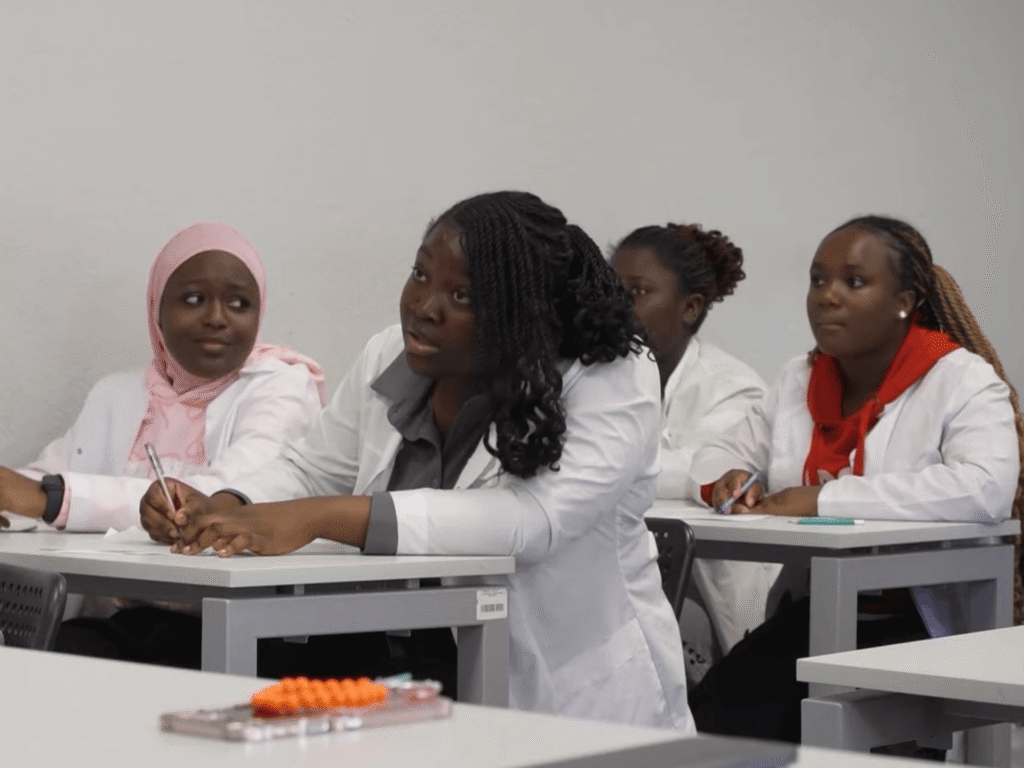
During the first week of the 2026 summit, the Moscow State Institute of International Relations (MGIMO) reported that its African student body had risen to 4,800, up from 3,200 in 2023. Similar jumps were recorded at the Higher School of Economics and Moscow State University, where African enrollment now exceeds 7 % of the total international cohort. Many of these students are on full‑ride scholarships that cover tuition, accommodation and a modest monthly stipend, making Moscow an attractive alternative to European capitals where costs have surged post‑pandemic.
Social media feeds from Nairobi, Lagos and Accra show a wave of excitement as families celebrate the acceptance letters. A Nigerian engineering student, Chinedu Okonkwo, posted a video on TikTok saying, “Studying in Russia is not just about a degree; it’s about building a bridge between my country and a global power.” Such personal testimonies echo a broader sentiment that Russian education offers a fast‑track to technical expertise that is still scarce in many African economies.
The influx has also spurred a modest but growing African cultural scene in the Russian capital. Weekly gatherings at the Russian‑African Friendship Club feature Arabic, Swahili and Yoruba language lessons, as well as joint film screenings of Nollywood productions and Russian classics. These activities, organized by student associations, are being highlighted by the summit’s cultural diplomacy team as evidence of “people‑to‑people” ties that go beyond formal agreements.
What this means for African‑Russian relations
Education is increasingly the linchpin of Moscow’s broader geopolitical playbook in Africa. Analysts at the Carnegie Moscow Center argue that each graduate who returns home becomes a de‑facto ambassador for Russian technology, especially in sectors like nuclear energy, aerospace and cyber‑defence where Russia has a competitive edge. In Nigeria, for example, the recent partnership between Rosatom and the Nigerian Electricity Regulatory Commission has already cited Russian‑trained engineers as a critical success factor.
The human capital pipeline also feeds Russia’s own labor market. The 2025 amendment to Russia’s migration law allows foreign graduates in STEM fields to apply for a three‑year work permit, a policy that has attracted a modest number of African graduates to Russian IT firms in St Petersburg and Novosibirsk. This reciprocal flow helps mitigate Russia’s demographic decline while giving African professionals exposure to high‑tech projects that they can later replicate at home.
However, the deepening ties are not without friction. Human‑rights groups have warned that some scholarship programmes are tied to military‑industrial cooperation, raising ethical concerns for students from countries with fragile democratic institutions. In a recent interview, a Kenyan scholar expressed unease about being asked to attend a briefing on Russian defence exports, a request that the university later clarified was optional.
Challenges and opportunities for African students
Living in Moscow presents practical hurdles. The harsh winter climate, language barrier and occasional xenophobic incidents have been documented by the International Students Association in Russia. A 2025 survey by the African Students Union in Moscow found that 38 % of respondents struggled with Russian bureaucracy when renewing residence permits, a figure that the Russian Ministry of Education has pledged to lower by streamlining online services.
On the upside, many African students cite the hands‑on laboratory work and access to Russian research facilities as a decisive advantage over Western universities that have cut back on lab funding. A Ghanaian medical student, Ama Mensah, highlighted that her oncology rotation at the Moscow Oncology Research Centre gave her exposure to cutting‑edge radiotherapy techniques that are still rare in West Africa.
Career prospects also look promising. Russian companies such as Gazprom, Lukoil and Yandex have launched mentorship programmes specifically for African alumni, offering internships that can lead to permanent roles. The summit’s “Future Leaders” panel showcased several alumni who have already secured positions in African subsidiaries of Russian firms, illustrating a fast‑track pipeline from classroom to boardroom.
Looking ahead: the post‑summit landscape
The 2026 Russia‑Africa Summit is set to conclude with a joint declaration that pledges to double the number of scholarship slots by 2030. If the promised funding materialises, experts predict that African enrolment in Russian universities could surpass 100,000 students within the next decade, reshaping the academic demographics of Moscow’s elite institutions.
For African policymakers, the challenge will be to translate academic gains into tangible development outcomes. Ministries of education in Kenya and Ethiopia have already announced plans to create “reverse‑brain‑drain” programmes that will match returning graduates with state‑run research labs and public‑sector innovation hubs. The success of these initiatives will determine whether the Russian education push becomes a catalyst for home‑grown growth or simply a one‑way talent pipeline.
In the diaspora community, the growing presence of African students is likely to deepen cultural exchange and commercial networks. Small businesses catering to African cuisine and fashion have reported a 20 % rise in sales during the summit period, according to a survey by the Moscow Chamber of Commerce. As these entrepreneurs expand, they may become the next wave of informal ambassadors, linking Russian markets with African consumer bases.
Quick Answers
How many African students are currently studying in Moscow?
As of early 2026, roughly 12,000 African students are enrolled in Moscow’s universities, representing about 7 % of the city’s international student population.
What scholarships are offered to African students by Russian universities?
Russia provides fully funded scholarships covering tuition, housing and a monthly stipend, with the 2026 summit adding 5,000 new slots focused on engineering, medicine and cybersecurity.
Will studying in Russia help African graduates find jobs at home?
Yes, many African governments are creating programs to place returning graduates in public‑sector projects, and Russian firms are hiring alumni for roles in African subsidiaries.
Source: www.aljazeera.com



💬 Comments 0