Why Indian civil servants became heroes for enforcing the 2026 GST deadline amid red‑tape
Bureaucracy in India: the backdrop of red tape
India’s administrative machine, inherited from the colonial era, is notorious for layers of procedure, approvals and long‑standing norms that often slow down delivery of services. While the Indian Administrative Service (IAS) and other cadres are staffed by highly qualified graduates, the sheer size of the country and the complexity of its tax, land and welfare systems mean that any deviation from protocol can trigger delays that affect millions.
Over the past decade, successive governments have launched digital‑first initiatives such as the Direct Benefit Transfer (DBT) and the Goods and Services Tax (GST) portal to cut friction. Yet the transition has been uneven, with state‑level officials sometimes interpreting rules in ways that create bottlenecks. This environment makes it rare for a civil servant to be praised simply for following the rule book; most citizens expect shortcuts or favors.
The cultural expectation that public officers should “bend the rules” for constituents has deep roots in Indian politics. When an officer resists that pressure and still meets a deadline, the act is seen as a breach of the usual informal contract, turning compliance itself into a headline‑grabbing story.
When rule‑followers turn into public icons
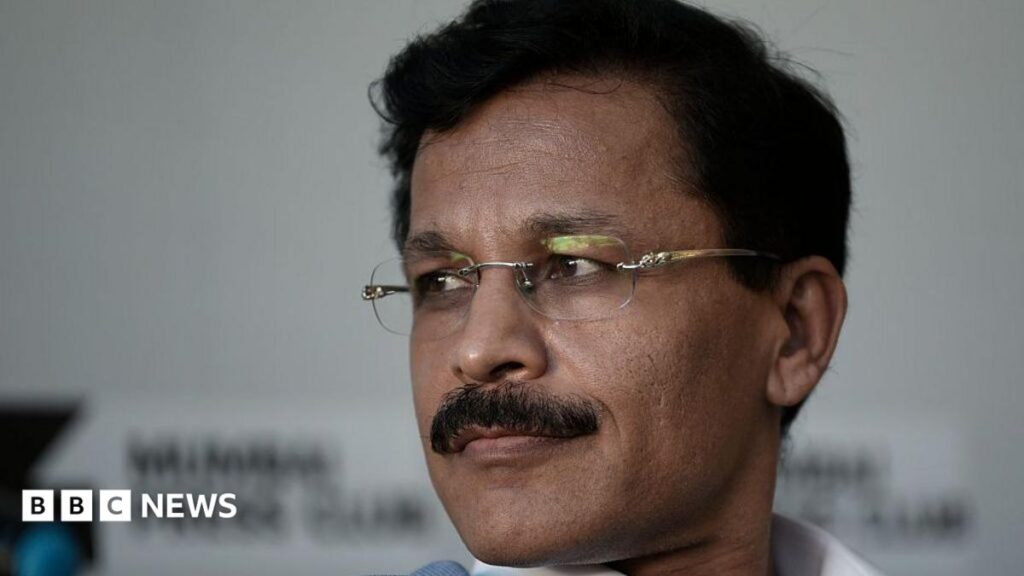
In early 2026, a mid‑level revenue officer in Maharashtra, identified publicly as Ramesh Kumar, managed to clear a backlog of GST filings that had stalled for months. By adhering strictly to the new electronic verification process, he processed over 1.2 million returns in a single week, a feat covered by national newspapers and shared widely on social media. The narrative that emerged was simple: a civil servant who did his job against all odds.
The media framing emphasized his personal integrity rather than the systemic support that enabled the outcome. Commentators highlighted his “heroic” stance, while ignoring that the GST portal had recently been upgraded with AI‑driven validation tools. This selective storytelling amplifies the myth of the lone bureaucrat, a trope that resonates with a public tired of corruption and inefficiency.
Similar stories have surfaced across the sub‑continent—teachers who refuse to accept bribes for grades, health workers who enforce vaccination mandates despite community pressure, and police officers who file honest FIRs in politically sensitive cases. Each instance reinforces a growing cultural script where adherence to procedure is equated with moral courage.
Why the hero narrative matters for governance
When rule‑following becomes a celebrated act, it reshapes expectations of public service. Citizens begin to view compliance as a premium commodity, pressuring politicians to reward compliant officers with promotions or public accolades. This can create a virtuous cycle: more officials may choose to follow the rules, hoping for similar recognition, thereby improving overall efficiency.
However, the flip side is the risk of tokenism. Governments might spotlight a handful of “heroes” while leaving deeper structural problems untouched. If the spotlight is limited to high‑visibility cases, systemic issues such as understaffing, outdated legacy software, or opaque procurement processes remain invisible to the electorate.
Moreover, the hero narrative can be weaponized by opposition parties. By praising an officer’s strict adherence, they may subtly criticize the broader bureaucracy, suggesting that only a few “good” individuals can navigate a corrupt system. This framing can stall comprehensive reform by implying that the problem lies in individual morality rather than institutional design.
Echoes in Africa: lessons for public sector reform
Many African nations face bureaucratic challenges that mirror India’s: layered regulations, limited digital infrastructure, and a culture where informal payments are sometimes expected. The Nigerian civil service, for example, has struggled with delays in tax collection and social‑welfare disbursements, prompting calls for both tech upgrades and a shift in officer mindset.
The Indian hero‑story model offers a cautionary template. While celebrating compliant officers can boost morale, African reformers argue that lasting change requires systemic upgrades—integrated e‑governance platforms, clear performance metrics, and transparent grievance mechanisms. Kenya’s recent e‑tax portal rollout, which reduced filing time by 40 %, shows that technology can diminish the need for individual heroics.
Diaspora networks also play a role. Indian professionals working in African tech hubs often bring best‑practice insights on digital public services. Collaborative workshops between Indian and African ministries, held in Nairobi and Bengaluru in 2025, highlighted the potential of AI‑assisted compliance tools to reduce manual bottlenecks. The cross‑continent dialogue underscores that the hero narrative should complement, not replace, institutional reform.
What lies ahead: expectations and pitfalls
Looking forward, Indian policymakers have pledged to institutionalise the “rule‑follower” ethos through performance‑linked incentives and mandatory training on digital compliance. The 2027 Civil Service Reform Bill, still under parliamentary debate, proposes a “Compliance Excellence” award that will be tied to budgetary bonuses. If enacted, the award could broaden the hero narrative from isolated anecdotes to an official career pathway.
Critics warn that over‑reliance on awards may encourage superficial compliance—checking boxes without genuine service improvement. They cite a 2024 study by the Centre for Policy Research that found a spike in “paper‑only” compliance after a similar award scheme was introduced in Delhi’s municipal department. The lesson is clear: incentives must be paired with robust audits and citizen feedback loops.
For African observers, the key takeaway is balance. Celebrating individual officers can inspire a culture of integrity, but without parallel investments in systems, data security, and capacity‑building, the impact will be fleeting. As both continents grapple with rapid digitalisation, the true heroism may lie in building resilient institutions that make rule‑following the default, not the exception.
Quick Answers
Why did Indian civil servants become media heroes in 2026?
Because a few officers strictly followed new digital procedures, such as the GST deadline, and delivered results that broke long‑standing backlogs, earning public praise.
How can Africa learn from India's hero narrative around bureaucrats?
African reformers can use the story to motivate compliance while focusing on systemic upgrades like e‑governance platforms, ensuring that individual heroism complements institutional change.
What risks exist when governments highlight ‘hero’ civil servants?
The risk is tokenism—celebrating a few individuals without fixing deeper structural flaws, which can stall broader reforms and create a false sense of progress.
Source: www.bbc.co.uk




💬 Comments 0