Why Indonesia’s 2026 Kalimantan peat fire matters: health, climate and Africa’s future
Background: what peat is and why it matters
Peat is a thick layer of partially decayed plant material that builds up over centuries in water‑logged swamps. Because the organic matter never fully decomposes, peat stores massive amounts of carbon – roughly three times more per hectare than the world’s forests, according to the International Union for Conservation of Nature. When left undisturbed, peat acts as a carbon sink; when it dries out and ignites, it releases that stored carbon back into the atmosphere in a slow‑burning, hard‑to‑extinguish blaze.
Indonesia holds about 30 % of the world’s tropical peatlands, most of them in the provinces of Central and South Kalimantan. Decades of illegal logging, palm‑oil expansion and drainage for agriculture have lowered the water table, turning once‑wet peat into tinder. The combination of a strong El Niño‑driven dry season and the region’s high temperatures set the stage for the country’s worst peat‑fire season in a decade.
The 2026 Kalimantan peat fire crisis
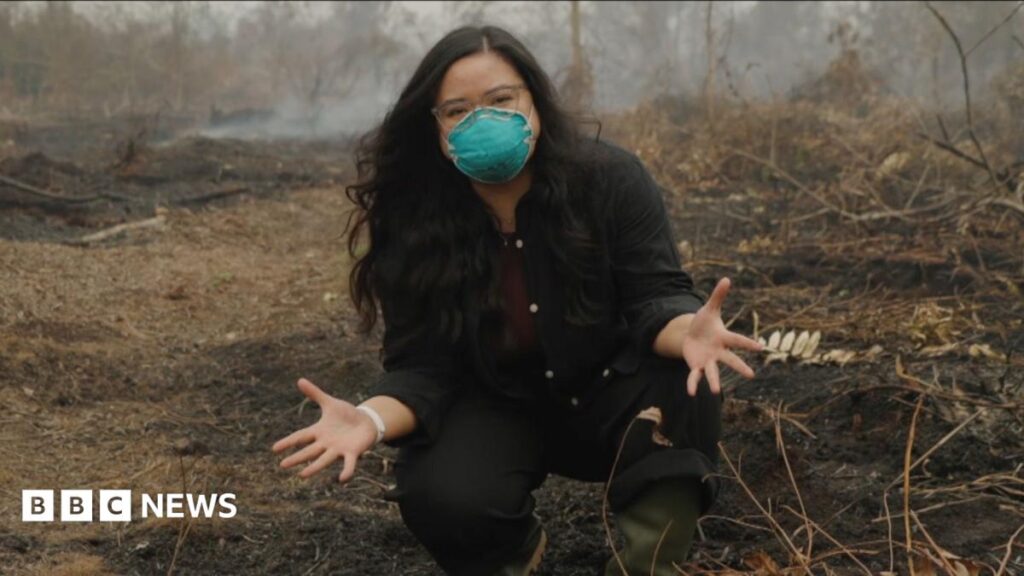
In August 2026, satellite data from the European Space Agency showed more than 1.2 million hectares of peat on fire in Central Kalimantan – an area roughly the size of Rwanda. The flames have been fed by a network of shallow canals cut for palm‑oil plantations, which drain the peat and accelerate drying. Local authorities have deployed over 5,000 firefighters, but experts say peat can smoulder underground for weeks, making conventional water drops ineffective.
The smoke plume has already travelled more than 2,500 km, blanketing parts of Sumatra and even reaching the Philippines. Residents in the nearby town of Palangkaraya report “thick, sour‑smelling haze” that reduces visibility to under 100 metres and forces schools to close. According to the Ministry of Health, respiratory admissions have risen by 27 % compared with the same period last year.
Why peat fires are a climate and health threat
A single peat fire can emit up to 2 gigatonnes of CO₂ over its lifetime, a figure comparable to the annual emissions of a small industrialised nation. Because peat burns underground, it releases carbon continuously, unlike a forest fire that burns out in days. The World Bank estimates that the 2026 fires could add between 0.5 and 0.8 gigatonnes of CO₂ to the global carbon budget, pushing the world closer to the 1.5 °C warming threshold.
Health impacts extend beyond Indonesia. Fine particulate matter (PM2.5) from peat smoke contains toxic compounds that can trigger asthma, cardiovascular disease and premature death. A study by the Asian Development Bank linked similar haze events to a 12 % increase in mortality in neighbouring countries. For the millions of people living in the haze‑prone “Southeast Asian haze belt,” the current crisis is a stark reminder of how environmental mis‑management translates into public‑health emergencies.
Ripple effects for Africa and the global climate agenda
While the fire is thousands of kilometres from the African continent, its climate implications are direct. The extra carbon released contributes to the same atmospheric warming that fuels more intense droughts across the Sahel and Southern Africa. Researchers at the University of Nairobi have warned that each gigatonne of CO₂ from peat fires can increase the likelihood of a severe drought in East Africa by about 4 %, aggravating food‑security challenges already strained by conflict and market volatility.
African investors are also feeling the shockwaves. Several European‑backed renewable‑energy funds that allocate capital to Indonesian palm‑oil concessions have paused new investments after the fires highlighted the environmental risk of peat‑based projects. This shift could redirect financing toward African bio‑energy and reforestation schemes that avoid peatland degradation, creating a modest but symbolic re‑balancing of global green capital.
What comes next: policy, prevention and regional cooperation
Indonesia’s president has pledged a $1.5 billion emergency fund to restore drained peatlands, a move welcomed by climate NGOs but criticised as insufficient by scientists who argue that long‑term success requires a complete halt to new drainage canals. The government is also negotiating a new “Peatland Restoration Law” that would impose heavier fines on illegal land‑clearing, a policy shift that could set a precedent for other peat‑rich nations such as the Congo Basin.
Regional bodies are stepping in, too. The ASEAN Coordinating Centre for Combating Transboundary Haze Pollution has scheduled a special summit in November 2026 to tighten fire‑prevention protocols and share satellite‑monitoring technology. For African countries that face their own peat‑fire risk – notably the coastal mangrove‑peat complexes of Mozambique and Cameroon – the summit could become a platform for knowledge exchange on early‑warning systems and community‑based fire‑breaks.
Quick Answers
Why are peat fires harder to put out than regular forest fires?
Peat burns underground for weeks, using the stored carbon as fuel, so water drops only wet the surface while the smoldering core continues.
How do Indonesia’s peat fires affect Africa’s climate?
The extra CO₂ adds to global warming, which intensifies droughts and heatwaves in Africa, worsening food‑security and health risks.
What is being done to stop future peat fires in Kalimantan?
Indonesia announced a $1.5 billion restoration fund, plans stricter anti‑drainage laws, and ASEAN is organising a haze‑prevention summit for regional cooperation.
Source: www.bbc.co.uk




💬 Comments 0