Why Nyesom Wike Isn’t Solely to Blame for Abuja Flooding in April 2026, Says Rep Deputy Philip Agbese
Background: Abuja’s flood history and the April 2026 event
Abuja, Nigeria’s planned capital, has long wrestled with seasonal flooding, but the severity of the April 2026 deluge was unprecedented. Heavy rains combined with clogged drainage systems caused water to surge into residential districts such as Gwagwalada, Kuje and the Federal Secretariat area, displacing thousands and prompting emergency evacuations.
The Federal Capital Territory (FCT) Ministry of Works had warned earlier in the year that the city’s storm‑water infrastructure was overdue for upgrades. Yet budget allocations fell short, and many informal settlements remained built on low‑lying floodplains, amplifying the impact when the rains arrived.
The political spark: blame‑game over the flood
In the immediate aftermath, social media erupted with accusations aimed at Governor Nyesom Wike, who was appointed Minister of the Federal Capital Territory in August 2023. Critics argued that his background in Rivers State, a region also prone to floods, should have made him more proactive in preventing a repeat in Abuja.
Opposition lawmakers and some civil‑society groups seized the moment, framing the disaster as a symptom of “political patronage” that leaves the capital’s infrastructure underfunded. The narrative quickly turned into a talking point ahead of the 2027 general elections, where the FCT’s voting bloc, though small, is considered a bellwether.
Agbese’s defence: legal and administrative realities
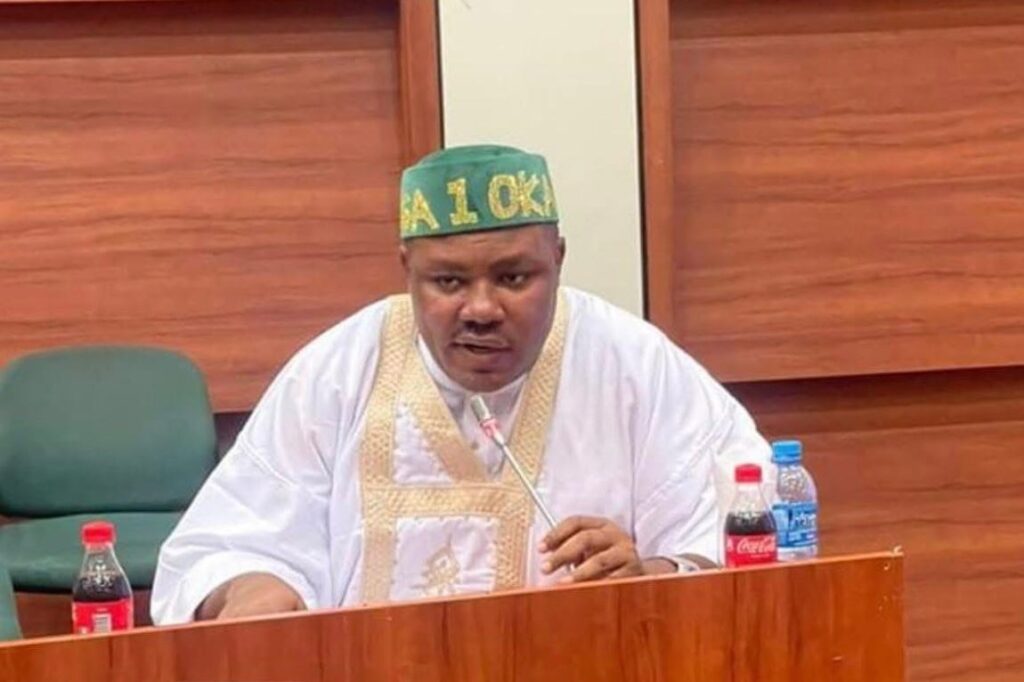
Deputy spokesperson Philip Agbese pushed back on the blame narrative, noting that the Ministry of the Federal Capital Territory does not operate in isolation. He reminded the public that the FCT’s urban planning is overseen by the Abuja Metropolitan Area Council (AMAC), a body whose members are appointed by both the President and the State Governors, including the Governor of the FCT.
According to Agbese, the flood‑mitigation projects that were slated for completion in 2025 were stalled not by ministerial indifference but by a series of legal challenges over land ownership and by delays in federal budget releases. He cited a 2024 audit report that highlighted a 30 % shortfall in the allocated funds for drainage upgrades, a gap that predates Wike’s tenure.
What the flood reveals about urban planning and climate resilience in Nigeria
Beyond the political tug‑of‑war, the April 2026 flooding underscores a systemic weakness in Nigeria’s urban planning framework. Rapid population growth has outpaced the expansion of essential services, and many new housing estates were approved without comprehensive hydrological assessments.
Climate scientists have warned that West Africa will experience more intense rainfall events due to shifting monsoon patterns. Yet, investment in green infrastructure—such as permeable pavements and rain gardens—remains marginal. The Abuja case mirrors similar crises in Lagos (2023) and Port Harcourt (2022), suggesting a national need for a coordinated climate‑adaptation strategy.
Ripple effects: voters, diaspora, and the 2027 elections
For ordinary Abuja residents, the flood has translated into lost property, disrupted schooling and heightened anxiety about future disasters. Community leaders are now demanding clearer accountability mechanisms, including a public audit of the FCT’s flood‑control budget.
The Nigerian diaspora, particularly those in the United Kingdom and the United States, are watching closely. Remittance flows to relatives in the capital have dipped slightly since the floods, as donors reassess the risk of sending money to households with unstable housing. Political analysts predict that the handling of the crisis could sway the diaspora vote, which historically leans toward candidates promising robust infrastructure reforms.
Looking ahead: policy shifts and accountability mechanisms
In response to the criticism, the Ministry of Works announced a “Rapid Drainage Rehabilitation Programme” slated for rollout in the third quarter of 2026, with an earmarked ₦120 billion. The plan includes the installation of 250 new pumping stations and the de‑congestion of major arterial roads.
Civil‑society groups are pushing for a legislative oversight committee that would monitor the execution of flood‑mitigation projects and publish quarterly progress reports. If such mechanisms take root, they could set a precedent for how future natural‑hazard responses are managed across Nigeria’s states, reducing the likelihood that any single official bears the entire burden of blame.
Quick Answers
Why can't Nyesom Wike be solely blamed for the April 2026 Abuja flooding?
Because flood management in Abuja involves multiple agencies, budget shortfalls, and legal land‑ownership issues that existed before Wike became FCT Minister.
What immediate steps has the government taken after the flooding?
The Ministry of Works launched a Rapid Drainage Rehabilitation Programme with ₦120 billion to install new pumps and clear clogged waterways.
How might the flooding affect the 2027 Nigerian elections?
Voter sentiment in the FCT and among the diaspora could shift toward candidates who promise concrete infrastructure and climate‑resilience policies.
Source: dailypost.ng



💬 Comments 0