Why South-East Youths Are Shunning the Nigerian Army – Lt Gen Waidi Shaibu’s 2026 Warning
Historical backdrop of recruitment in the South‑East
Since the end of the civil war in 1970, the South‑East has often felt sidelined in national security matters. The region contributed heavily to the war effort, yet successive governments have struggled to translate that legacy into proportionate representation within the armed forces.
Official recruitment data from the Ministry of Defence show that, on average, the South‑East supplies less than 5 % of new enlistees, far below its share of the national population. Analysts link this gap to lingering mistrust, limited outreach by recruitment centres, and the perception that the army remains dominated by officers from the North and the West.
Lt Gen Waidi Shaibu’s public alarm
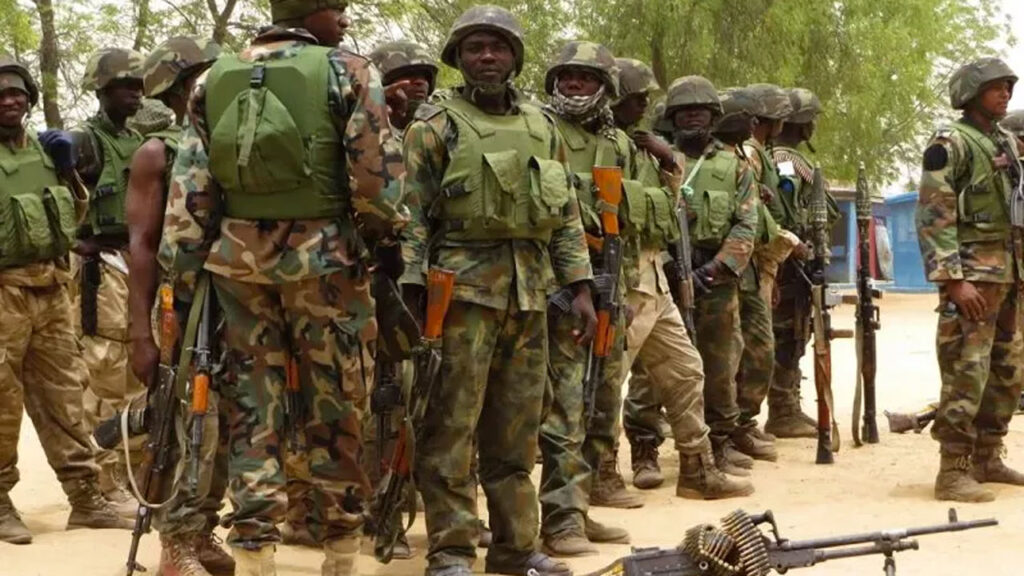
During the passing‑out parade of the pioneer batch of 90 regular recruits at the Amasiri‑Edda depot in Ebonyi, COAS Lt Gen Waidi Shaibu warned that the persistent shortfall of South‑East volunteers threatens the army’s cohesion. He said the trend “signals a widening disconnect between the military and a generation that feels abandoned.”
Shaibu’s remarks were not a spontaneous outburst; they followed an internal review that flagged recruitment shortfalls across three zones—North‑East, North‑West, and South‑East. The report, leaked to local media, recommended targeted incentives and community‑level engagement to reverse the decline.
Why the enlistment gap matters for Nigeria’s security and economy
A militarily diverse force is essential for a country as ethnically varied as Nigeria. When one region is under‑represented, the army risks losing cultural insight that can be decisive in conflict de‑escalation, especially in the volatile Niger Delta and the insurgency‑prone north‑east.
Beyond security, the recruitment shortfall intersects with youth unemployment. The World Bank estimates that the South‑East’s youth unemployment rate sits at roughly 22 % in 2026, higher than the national average. Enlistment offers stable salaries, training, and a pathway to civil service jobs, making the army a critical safety net for many families.
A pattern of regional marginalisation and its diaspora echo
The South‑East’s recruitment woes echo broader patterns of perceived marginalisation in federal appointments, infrastructure funding, and educational grants. Recent protests in Anambra and Enugu over road projects and university funding have underscored a growing sense that the federal belt is overlooking the zone.
The diaspora community, particularly Nigerians in the United Kingdom and the United States, is watching the situation closely. Remittance flows from abroad constitute about 12 % of the South‑East’s regional GDP, and many expatriates have called for a “home‑grown” solution that does not rely on foreign aid but on inclusive national policies.
What could change – policy options and likely outcomes
The Ministry of Defence has hinted at a pilot programme that would allocate additional scholarship slots to South‑East candidates, coupled with community‑based outreach campaigns in secondary schools. If implemented, the scheme could boost enlistment by up to 30 % over the next two years, according to a senior officer quoted to The Punch.
Political analysts warn that any reform must be paired with genuine dialogue. Without addressing the underlying grievances—such as perceived discrimination in promotion pathways and the lack of senior South‑East officers—the incentives may only provide a temporary lift. The upcoming 2027 general elections could become a flashpoint if youth discontent translates into voter mobilisation against parties seen as indifferent to the region’s security concerns.
Quick Answers
Why are fewer South‑East youths joining the Nigerian Army?
Low enlistment stems from historic mistrust, limited recruitment outreach, and higher youth unemployment that makes military service less attractive.
What did Lt Gen Waidi Shaibu say about the issue?
He warned that the South‑East’s disengagement threatens army cohesion and called for targeted incentives to attract more volunteers.
How might the recruitment gap affect Nigeria’s security?
Under‑representation can reduce cultural insight in operations, weakening the army’s ability to manage regional conflicts and undermining national unity.
Source: dailypost.ng




💬 Comments 0