Why the Surge in Anti‑Government Activist Deportations to Russia from the EU and US in 2026 Matters for Global Asylum Rights
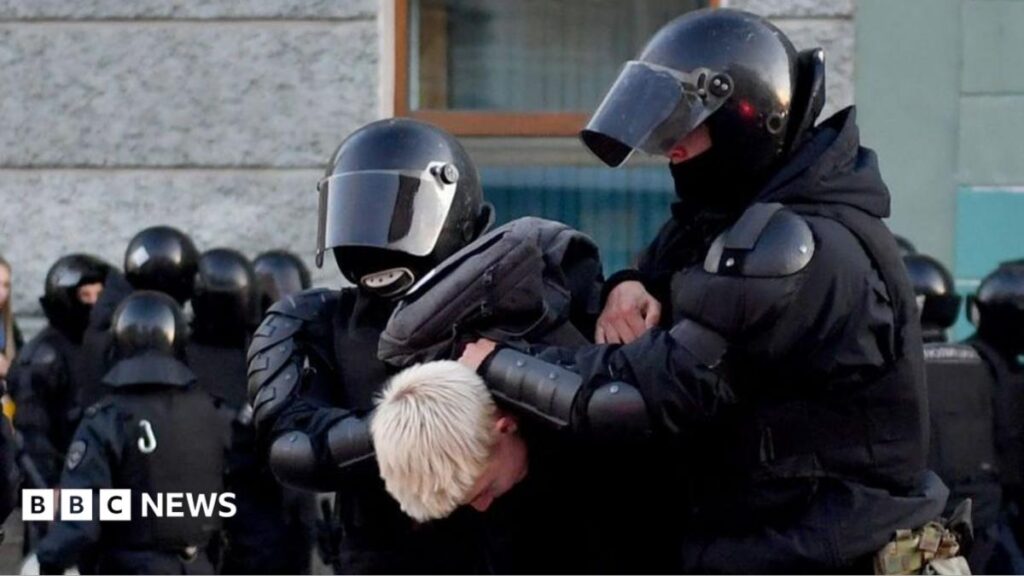
Background: A New Wave of Deportations
In the twelve months ending September 2026, the number of anti‑government activists sent back to Russia from Western nations has risen sharply, according to data compiled by the European Asylum Support Office. These individuals had fled Moscow after the crackdown that followed the 2024 presidential election, seeking protection under the European Convention on Human Rights or U.S. asylum law.
The deportations have been carried out under a mix of diplomatic agreements, expedited removal procedures, and, in some cases, the invocation of security‑related provisions that allow for swift expulsion. Human rights NGOs say the trend marks a departure from the more cautious approach seen after the 2022‑23 wave of Russian dissidents, when many Western countries granted temporary protection or residency.
Legal experts point out that the surge coincides with a broader tightening of asylum policies across Europe and the United States, driven by political pressure to curb irregular migration and to respond to what governments describe as “foreign interference” in domestic affairs.
Why It Matters: Erosion of International Asylum Norms
The principle of non‑refoulement – the prohibition on returning people to a country where they face persecution – is a cornerstone of the 1951 Refugee Convention. By sending activists back to a regime that has repeatedly jailed, tortured, and disappeared critics, Western states risk breaching that obligation, a concern voiced by the United Nations High Commissioner for Refugees in a recent briefing.
Beyond legal ramifications, the practice sends a chilling signal to dissidents worldwide: even democracies may prioritize geopolitical convenience over human‑rights safeguards. This could embolden authoritarian governments to intensify repression, knowing that their opponents may find fewer safe havens abroad.
The ripple effect is already visible in other regions. NGOs report a decline in asylum applications from activists fleeing regimes in Belarus, Iran, and several African states, as claimants cite fears that Western courts will not protect them once they step onto foreign soil.
The African Connection: What This Means for African Activists and Diaspora Communities
African human‑rights defenders have long relied on Europe and the United States as refuge when facing state‑sanctioned intimidation. Countries such as Ethiopia, Sudan, and the Democratic Republic of Congo have seen a steady outflow of journalists, lawyers, and opposition figures seeking asylum over the past decade.
The emerging precedent of deporting Russian activists raises alarm among African civil‑society groups, who fear a similar calculus could be applied to their own cases. According to a statement from the African Commission on Human and Peoples’ Rights, the trend threatens to undermine the protective framework that has allowed many African dissidents to continue their work from abroad.
Diaspora networks in cities like London, Paris, and New York are already mobilising. They argue that the Western response to Russian activists could set a legal and political benchmark that European courts might cite when adjudicating asylum claims from African nationals, especially those labelled as “security threats” by their home governments.
Reactions: Governments, Courts, and Civil Society
European ministries of interior have defended the deportations as necessary for national security, citing classified intelligence that some activists were allegedly coordinating cyber‑operations against Russian interests. The U.S. Department of Homeland Security issued a similar justification, noting “credible evidence” of foreign‑policy meddling.
Human‑rights organisations, including Amnesty International and Human Rights Watch, have launched coordinated campaigns demanding transparency. In a joint letter to the European Parliament, they called for an independent review of each case to ensure compliance with international law.
Courts in Germany and the United Kingdom have begun to push back. In Berlin, a federal court temporarily halted the removal of a Russian opposition figure, ordering the authorities to reassess the risk of persecution. In London, the High Court is hearing a challenge from an Ethiopian journalist who argues that the UK’s “security‑first” approach mirrors the Russian‑deportation model.
What’s Next: Potential Shifts in Asylum Policy and Global Advocacy
The coming months are likely to see intensified diplomatic negotiations between Moscow and Western capitals. Some analysts predict that Russia may leverage the deportations to extract concessions on sanctions, while the EU could face internal pressure from member states that host large refugee populations.
On the policy front, the European Union is expected to review its “Return Directive” at the upcoming Council meeting in Brussels. Proposals on the table include stricter safeguards for political refugees and a requirement for independent judicial oversight before any removal to a country with a documented record of human‑rights abuses.
For African activists, the stakes are clear: a shift toward greater protection could preserve the asylum pipeline that has saved countless lives. Conversely, a continuation of the current trajectory may force a new wave of clandestine migration routes, increasing vulnerability to human‑trafficking networks. International advocacy groups are therefore urging a coordinated response that ties the fate of Russian dissidents to that of all political refugees, regardless of nationality.
Quick Answers
What legal principle prohibits sending asylum seekers back to a country where they face persecution?
The principle of non‑refoulement, enshrined in the 1951 Refugee Convention, bars deportation to places where individuals risk torture, imprisonment or death.
How could the deportation of Russian activists affect African dissidents seeking asylum in Europe?
It could set a precedent that Western courts may use to deny protection to African activists labeled as security threats, undermining their ability to find safe refuge.
Are any European courts challenging the recent deportations to Russia?
Yes, Germany’s federal court has temporarily blocked a removal, and the UK High Court is hearing a case that could limit similar expulsions.
Source: www.bbc.co.uk




💬 Comments 0