Yemen war escalates in 2026: Saudi Arabia, Iran, Houthis and African Red Sea shipping risks
Background – a conflict that has lingered for two decades
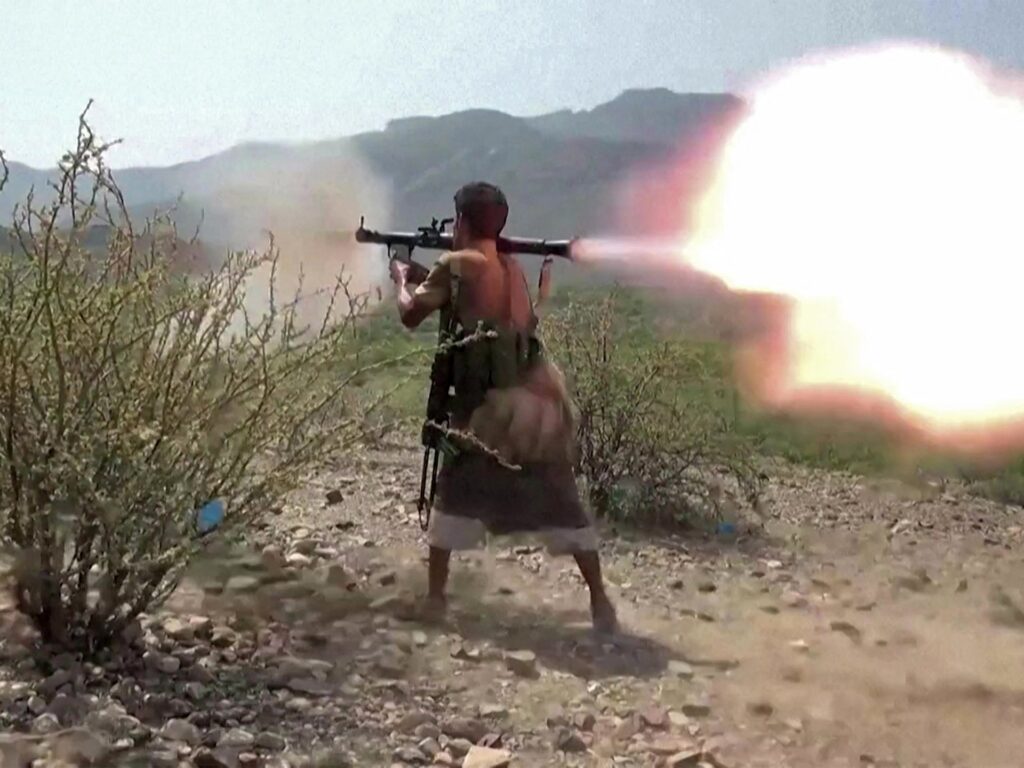
The Yemeni civil war began in 2014 when the Houthi movement, rooted in the Zaidi Shia minority of the north, seized the capital Sanaa and forced President Abdrabbuh Mansur Hadi to flee. A Saudi‑led coalition intervened in 2015 to restore Hadi’s government, turning a domestic rebellion into a regional proxy clash. After more than ten years of stalemate, 2026 has seen a fresh surge of artillery, drone strikes and naval blockades that threaten to widen the humanitarian disaster.
Recent developments include the coalition’s renewed air campaign over Houthi‑controlled ports and the Houthis’ launch of longer‑range missiles that have reached Saudi oil facilities. The escalation coincides with Iran’s increased diplomatic outreach to the Houthis and a reshuffling of United Arab Emirates (UAE) forces that now focus on the south‑western port of Aden. These shifts have revived fears that the war could spill over into the strategic Red Sea corridor.
Key actors – who is fighting and why
The main belligerents remain the Houthi rebels, backed by Iran’s alleged supply of weapons and advisory support, and the Saudi‑UAE coalition, which receives logistical aid from the United States and, to a lesser extent, Britain. The Southern Transitional Council (STC), an Emirati‑backed separatist group, controls parts of Aden and continues to clash with forces loyal to Hadi, adding another layer of intra‑Yemeni rivalry.
Outside the immediate combatants, the United Nations continues to run a fragile ceasefire mechanism, while Qatar and Oman act as mediators for intermittent talks. The United States, after scaling back direct combat roles, now focuses on counter‑terrorism against Al Shabaab and ISIS‑K, both of which exploit the chaos to recruit fighters from Yemen’s displaced populations.
Why it matters for Africa – Red Sea trade and migration flows
More than 70 percent of Europe’s oil imports and a large share of Asian container traffic pass through the Bab al‑Mandeb strait, the narrow gateway between the Red Sea and the Gulf of Aden. Any disruption—such as the Houthis’ recent missile attacks on commercial vessels—forces shipping companies to reroute around the Cape of Good Hope, adding weeks and millions of dollars to freight costs. African exporters in Kenya, Tanzania and Ethiopia feel the pinch through higher import prices for fertilizers and machinery.
The conflict also fuels the migration pipeline that already sees thousands of Yemenis attempting dangerous sea crossings to Djibouti and Somalia. Refugee camps in the Horn of Africa, already strained by climate‑driven displacement, now host growing numbers of Yemeni asylum‑seekers, stretching humanitarian resources and prompting new bilateral agreements between Saudi Arabia and Kenya on migrant repatriation.
Regional ripple effects – proxy war, oil markets and security
Yemen’s war is increasingly viewed as a proxy battlefield between Iran and the Saudi‑UAE bloc, a dynamic that mirrors the broader Saudi‑Iran rivalry across the Middle East. In 2026, the United Arab Emirates has shifted some of its naval assets to protect its own commercial interests in the Gulf of Aden, while Iran has used the conflict to showcase its drone capabilities, a signal to both regional rivals and the United States.
Global oil prices have reacted to each new missile strike on Saudi refineries, with Brent crude spiking by up to 2 percent after the latest Houthi attacks. For African oil‑importing nations such as Nigeria and Ghana, higher oil bills translate into tighter fiscal space, potentially delaying infrastructure projects and affecting domestic fuel subsidies.
International and African diplomatic responses
The United Nations has called for an immediate ceasefire and renewed negotiations in Geneva, but progress stalls as both sides accuse each other of violating humanitarian law. The African Union, through its Peace and Security Council, has urged the coalition to lift the blockade that chokes food aid destined for the north, warning that famine could trigger a regional food‑security crisis.
Egypt and Sudan, whose economies depend on stable Red Sea shipping, have privately urged Riyadh and Tehran to engage in back‑channel talks. Kenya’s foreign ministry, representing a growing diaspora of Yemeni refugees, has offered to host a neutral dialogue venue, emphasizing that a stable Yemen is essential for the safety of Kenya’s maritime trade routes.
What’s next – scenarios and potential openings for peace
Analysts say three trajectories are possible. First, a negotiated ceasefire could emerge if Saudi Arabia agrees to a limited de‑escalation in exchange for a credible Iranian commitment to curb weapon shipments. Second, the conflict could spiral into a broader maritime confrontation, prompting NATO to increase its presence in the Gulf of Aden, which would raise security costs for African port states. Third, a protracted stalemate may persist, deepening the humanitarian crisis and keeping global shipping costs high.
For African stakeholders, the most immediate priority is securing unhindered access to humanitarian corridors and protecting commercial shipping lanes. Regional bodies are expected to push for a joint African‑Arab mediation team by early 2027, a move that could give African ports a stronger voice in any eventual peace framework.
Quick Answers
Who are the main parties fighting in the Yemen war in 2026?
The conflict pits the Iran‑backed Houthi rebels against a Saudi‑UAE coalition supporting Yemen’s internationally recognised government, with the Southern Transitional Council and various extremist groups also involved.
How does the Yemen conflict affect African shipping and trade?
Missile attacks on vessels near Bab al‑Mandeb force ships to reroute around Africa, raising freight costs and inflating prices for African importers, while disrupted oil flows impact fuel‑dependent economies.
What are the chances of a ceasefire in Yemen this year?
Experts say a ceasefire is possible if Saudi Arabia and Iran agree to a limited de‑escalation, but the odds remain low without strong diplomatic pressure from regional and African actors.
Source: www.aljazeera.com



💬 Comments 0