Zelensky says six Ukrainian energy sites hit after Trump’s ceasefire claim, May 2026
Background: Trump’s cease‑fire pledge and the energy‑infrastructure promise
In early May 2026 former U.S. President Donald Trump announced a unilateral cease‑fire in the Ukraine conflict, insisting that Russia would refrain from striking civilian energy infrastructure. The statement was widely reported in Western media as a diplomatic breakthrough, even though it was not backed by any formal agreement between Kyiv and Moscow.
Ukrainian officials, however, quickly reminded the world that the cease‑fire was not a binding treaty. President Volodymyr Zelensky warned that any verbal pledge without verification could be used by Russia to justify continued attacks while claiming compliance with international norms.
What has happened: Six energy sites damaged since the announcement
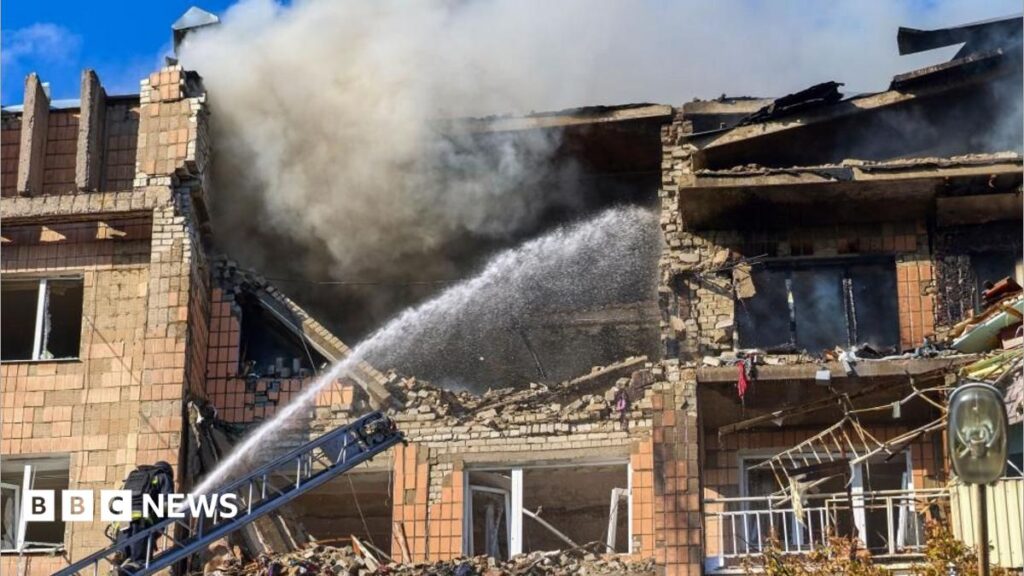
According to the Ukrainian Ministry of Energy, Russian forces have struck six separate energy facilities between May 2 and May 10, 2026. The sites include two high‑voltage substations in the Donetsk region, a gas‑compression station near Kharkiv, and three smaller distribution nodes in the central oblasts.
Zelensky publicly condemned the attacks, saying they “directly contravene the promise made by the United States” and “endanger millions of civilians who already endure rolling blackouts.” The strikes have caused localized outages, forced some factories to halt production, and prompted emergency repairs that cost Kyiv an estimated $45 million.
Why the strikes matter: Energy security, civilian hardship and geopolitical signalling
Targeting power infrastructure is a classic tactic in modern warfare because it amplifies the humanitarian toll without requiring large numbers of troops. In Ukraine, repeated outages have forced schools to close, disrupted medical services, and hampered the already fragile agricultural export chain that feeds Europe and the Middle East.
Beyond the immediate human cost, the attacks send a clear message to the West: Russia can ignore diplomatic overtures while still pursuing its strategic goal of weakening Kyiv’s resilience. The strikes also undermine confidence in any future cease‑fire talks, making it harder for European capitals to negotiate a lasting settlement.
Broader pattern: Russia’s systematic campaign against power grids
The June 2024 and February 2025 campaigns that knocked out large swaths of the Ukrainian grid were not isolated incidents. Analysts at the International Institute for Strategic Studies note that Russia has, since the start of the war, treated energy facilities as “high‑value, low‑cost” targets that cripple the opponent’s economy while staying below the threshold of full‑scale conventional warfare.
Satellite imagery released by the European Space Agency shows a steady increase in night‑time darkness over industrial zones, confirming that the pattern of strikes is deliberate and coordinated. This approach mirrors tactics used in Syria and Libya, where power outages were weaponised to pressure civilian populations and erode government legitimacy.
Implications for Africa and the global energy market
Europe’s reliance on Ukrainian grain and transit routes for energy supplies means that any disruption in Kyiv reverberates across the continent. African nations that import European natural gas, such as Morocco and Egypt, could see price spikes as Europe seeks alternative sources to replace lost Ukrainian transit capacity.
Moreover, the ongoing attacks have revived interest among African investors in Ukraine’s post‑war reconstruction. A consortium of Nigerian and Kenyan firms announced in April 2026 a $200 million pledge to rebuild damaged substations, positioning themselves as early entrants in a market that will need billions of dollars of foreign capital once the fighting subsides.
Diaspora communities in the United Kingdom, Canada and the United States are also watching closely. Remittances from Ukrainians living abroad have surged by 12 % since the strikes, according to data from the World Bank, indicating that the Ukrainian diaspora is mobilising resources to support families coping with power cuts and heating shortages.
What comes next: Diplomatic pressure, sanctions and Kyiv’s resilience plan
Western leaders have condemned the latest attacks as “a breach of any reasonable cease‑fire promise.” The European Union is preparing a new round of sanctions that would target Russian firms supplying components for power‑grid equipment, a move that could further isolate Moscow’s defense industry.
In Kyiv, the government is accelerating a “resilience‑first” strategy that prioritises rapid repair kits, mobile generators, and micro‑grid installations in vulnerable regions. International donors, including the United States Agency for International Development (USAID) and the African Development Bank, have pledged additional funding to support these initiatives, signalling a rare convergence of Western and African assistance.
Whether Russia will heed the growing diplomatic backlash or simply continue its low‑intensity campaign remains uncertain. What is clear, however, is that each strike deepens the humanitarian crisis and reshapes the geopolitical calculus for Europe, Africa and the broader international community.
Quick Answers
How many Ukrainian energy sites have been hit since Trump announced a cease‑fire?
Six energy facilities have been struck between May 2 and May 10, 2026, according to Ukraine’s Ministry of Energy.
Why do the attacks on power infrastructure matter for African countries?
Disruptions in Ukraine can raise European energy prices, affect gas imports to Africa, and open reconstruction contracts for African investors.
What is Kyiv doing to mitigate the impact of the strikes?
Ukraine is deploying rapid‑repair kits, mobile generators and micro‑grids, backed by new funding from Western donors and the African Development Bank.
Source: www.bbc.co.uk




💬 Comments 0