Zelenskyy says US midterm elections in Nov 2026 could shift Ukraine war aid
Background: US politics and the Ukraine conflict
Since Russia’s full‑scale invasion in February 2022, the United States has become the largest single source of military and economic assistance for Kyiv. Over $70 billion in aid has been approved through congressional appropriations, with additional support flowing from the State Department, the Pentagon and private-sector sanctions relief. This patron‑client relationship has made US domestic politics a de‑facto battlefield for the war’s future, as each election cycle reshapes the appetite for spending billions on a conflict far from American shores.
The 2026 midterm elections are the first major test for the Republican‑controlled House and Senate since the war entered its fifth year. Historically, midterms have served as referenda on the incumbent administration’s foreign policy, and the Biden‑Harris team has faced growing criticism over the cost of aid, inflation and supply‑chain disruptions. Polls in early October show a split electorate: younger voters and Ukrainian‑American communities remain supportive, while some suburban swing districts are wary of “endless wars”.
In the broader context, the war in Ukraine has forced Washington to balance two competing strategic priorities: containing Russian aggression in Europe and maintaining influence in Africa, the Middle East and Asia. The United States’ budgetary constraints mean that any shift in congressional support for Kyiv could ripple into other regions, where aid projects, security assistance and development programs are already under pressure.
Zelenskyy’s warning and its immediate context
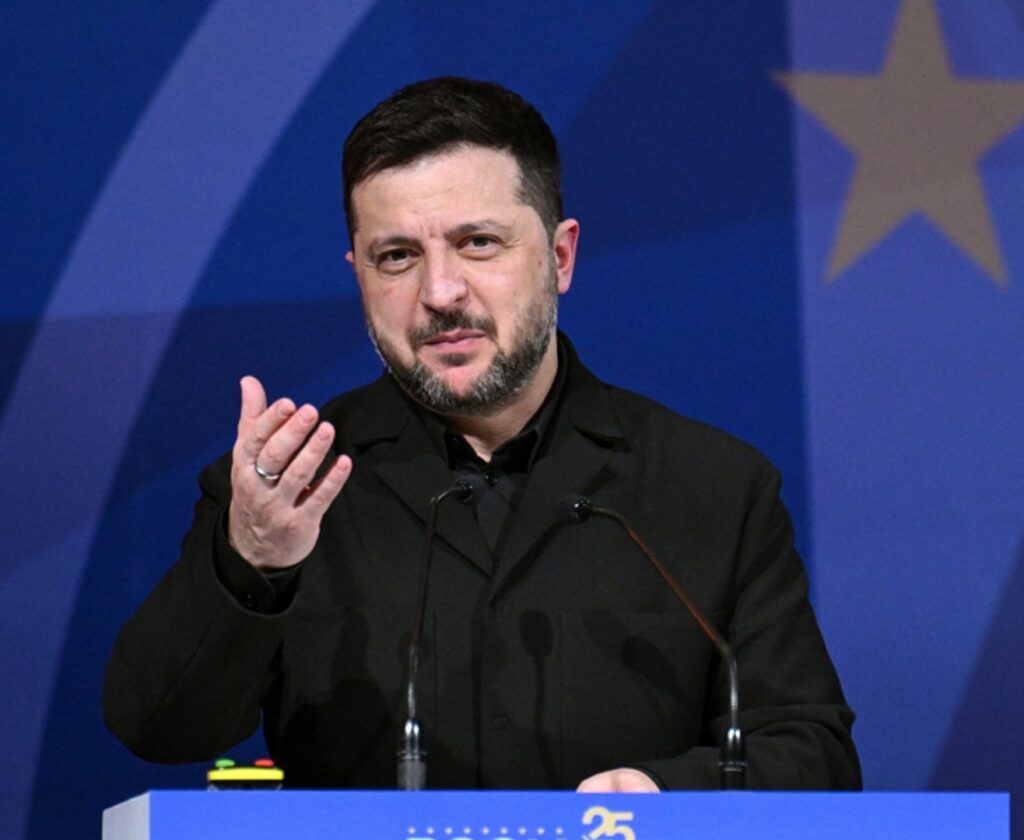
During a televised address on November 1, President Volodmyr Zelenskyy told the Ukrainian people and the international community that the outcome of the US midterms would “directly affect the front lines”. He cited recent delays in weapons deliveries and the uncertainty surrounding a new aid package that was slated for a December vote in Congress. Zelenskyy’s remarks echoed earlier statements from his defence minister, who warned that a slowdown in ammunition supplies could force Ukrainian forces to retreat from contested regions in the east.
The Ukrainian president’s message was timed to coincide with a diplomatic push in Washington, where senior officials from the State Department and the Pentagon have been meeting with members of both parties to secure a bipartisan endorsement of the aid package. According to sources close to the negotiations, the package includes additional air‑defence systems, artillery shells and a $5 billion economic assistance tranche aimed at rebuilding critical infrastructure in liberated territories.
Zelenskyy also appealed directly to the Ukrainian diaspora in the United States, especially the sizable community in New York, Chicago and the San‑Francisco Bay Area. He urged them to lobby their representatives and to remind policymakers that the war is not a distant news story but a struggle that affects families across the Atlantic. The president’s call to action reflects a broader strategy of leveraging diaspora influence to shape foreign‑policy outcomes.
Why the US vote matters for Africa and the Ukrainian diaspora
African nations watch the US‑Ukraine aid debate closely because Washington’s budget is a zero‑sum game. In the past two years, the United States has redirected funds originally earmarked for African development projects to finance Ukraine’s defence. For example, the African Development Bank’s $3 billion “Power Africa” initiative saw a $200 million shortfall after the US Congress reallocated part of its contribution to the Ukraine Security Assistance Initiative. If the midterms produce a more isolationist Congress, African countries could face further cuts to climate‑finance, health programmes and peace‑building grants.
The Ukrainian diaspora in Africa, though smaller than in Europe or North America, is growing in countries like South Africa, Kenya and Nigeria. Businesspeople and students from Ukraine have set up tech start‑ups, cultural centres and charitable NGOs that depend on stable remittance flows and US‑backed visa programmes. A reduction in US aid could tighten immigration policies, making it harder for Ukrainians in Africa to travel for work or study, and could also diminish the visibility of Ukrainian cultural events that have become a bridge between the two continents.
Moreover, the war has reshaped global commodity markets, especially for wheat and fertilizers—goods that many African economies rely on. US sanctions on Russia, combined with Ukrainian grain exports, have already driven up food prices across the Sahel and the Horn of Africa. If US political support for Ukraine wanes, there is a risk that sanctions could be eased, potentially reopening Russian grain shipments but also destabilising the fragile balance that keeps food prices from spiking further. African policymakers are therefore monitoring the US election not just for aid dollars, but for its indirect impact on food security.
What could happen after the November 2026 elections
If Republicans retain control of both chambers and push a more hawkish agenda, the most likely scenario is a continuation of high‑level aid, albeit with tighter oversight and a push for “performance‑based” funding. This could translate into more stringent reporting requirements for Ukrainian ministries, a shift toward training Ukrainian forces to use American equipment, and possibly a new round of sanctions on Russian energy exports. Such a path would keep the current level of support but might slow the speed of delivery as bureaucratic hurdles increase.
Conversely, a swing toward a more centrist or Democratic‑led Congress could preserve the status‑quo, but with a renewed emphasis on diplomatic solutions. Some lawmakers have suggested linking future aid to a negotiated cease‑fire or to a roadmap for Ukrainian reconstruction that includes private‑sector investment. If that approach gains traction, Ukraine could see a gradual transition from pure military assistance to a hybrid model that blends defence aid with economic development, a shift that would directly affect African investors eyeing reconstruction contracts.
Regardless of the outcome, the midterms will set the tone for US foreign policy for the next two years. Analysts say that any significant change—whether a cut in aid or a new funding surge—will force Kyiv to recalibrate its strategy, potentially altering the intensity of fighting on the front lines. For African stakeholders, the election will be a litmus test of how much Washington can juggle its commitments to Europe while still meeting the development and security needs of the continent.
Quick Answers
How could the US midterm elections affect Ukraine's war effort?
The elections will determine congressional support for future aid packages, influencing the amount and speed of weapons, financial assistance and diplomatic backing Kyiv receives.
What impact might US election outcomes have on African development aid?
A shift in US priorities could redirect funds from African programmes to Ukraine, potentially reducing financing for infrastructure, health and climate projects across the continent.
Why is the Ukrainian diaspora in Africa concerned about the US vote?
Changes in US policy could affect visa rules, remittance flows and cultural‑exchange programmes that support Ukrainians living and working in African countries.
Source: www.aljazeera.com




💬 Comments 0