Zimbabwe tycoon Wicknell Chivayo and wife die in helicopter crash – fallout for power contracts and political patronage in 2026
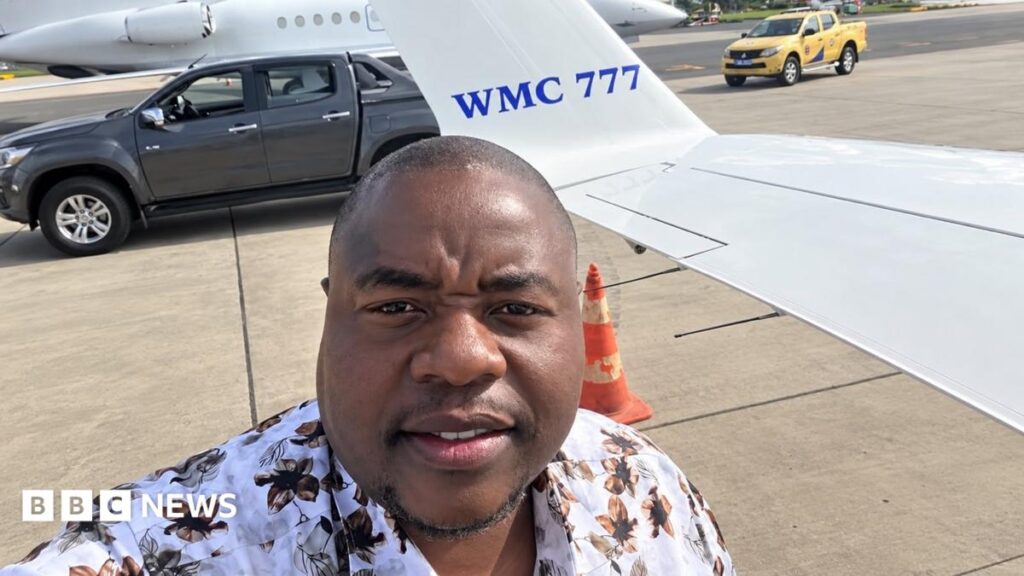
A controversial mogul: Wicknell Chivayo’s rise and reach
Wicknell Chivayo, often dubbed the "Zimbabwean Donald Trump," built his fortune on a series of high‑profile construction and energy deals that began in the early 2010s. He first entered the limelight after securing a US$1.2 billion contract to build a 2,000‑megawatt power plant in 2015, a deal that was later questioned for its lack of transparency and alleged overpricing.
Beyond the power sector, Chivayo diversified into hospitality, mining and real‑estate, acquiring luxury hotels in Harare and a sprawling ranch in Masvingo. His flamboyant lifestyle – private jets, designer suits and a fleet of exotic cars – made him a regular feature in African business magazines, while his close friendships with former President Robert Mugabe’s inner circle and current President Emmerson Mnangagwa earned him the reputation of a political insider.
Critics, including opposition leader Nelson Chamisa, argued that Chivayo’s success was tied to a patronage system that favoured a handful of businessmen with direct access to the presidency. Human Rights Watch and Transparency International have cited his companies in reports on alleged corruption and contract manipulation, though no formal charges have ever been filed against him.
The fatal crash: what we know so far
On the morning of 30 September 2026, a Bell 412 helicopter carrying Wicknell Chivayo, his wife, and two pilots disappeared from the skies over the Mashonaland East province. Witnesses near the crash site reported a loud explosion and a plume of smoke rising from a shallow valley close to the town of Marondera.
The Civil Aviation Authority of Zimbabwe confirmed that the wreckage was recovered on 1 October, and that both Chivayo and his wife, 48‑year‑old Grace Chivayo, were pronounced dead at the scene. Preliminary reports suggest a possible mechanical failure, though investigators have not ruled out pilot error or adverse weather conditions, according to a statement from the authority on Tuesday.
The two pilots, both seasoned professionals with the national airline’s charter division, also perished. Their identities have not yet been released pending notification of families. The crash is the latest in a string of high‑profile aviation accidents involving African elites, prompting renewed calls for stricter safety oversight.
Why the death of a single businessman matters to Zimbabwe’s power sector
Chivayo’s most contentious project – the proposed 2,000‑MW coal‑fired plant at Bindura – has been stalled for years amid accusations of financial mismanagement and environmental concerns. With his death, the consortium that owned the venture – Chivayo Holdings, a joint venture with a Chinese state‑owned firm – now faces an uncertain future, as the legal ownership of the assets is tied to his personal holdings.
Energy analysts warn that the loss of Chivayo’s personal guarantee could jeopardise the $3 billion financing package secured from the Export‑Import Bank of China. "Without a clear successor, lenders may freeze disbursements, pushing the project further into limbo," said a senior analyst at Africa Energy Insights. This could deepen Zimbabwe’s chronic power shortages, which have already forced factories to curtail production and driven up inflation.
Politically, the crash removes a key benefactor of President Mnangagwa’s re‑election campaign in 2023. Chivayo’s donations, reportedly amounting to over $10 million, helped fund rallies in rural constituencies. The president’s office has yet to comment on the incident, but opposition parties are already framing it as a turning point that could expose the depth of patronage networks in the current administration.
A pattern of elite transport accidents and what it reveals about governance
Chivayo’s helicopter crash joins a disturbing list of aviation mishaps involving wealthy African figures: the 2024 death of Kenyan telecom magnate James Mwangi’s brother in a private jet crash, the 2022 fatal landing of a Ghanaian mining CEO, and the 2021 disappearance of a Nigerian oil baron’s private aircraft. While each incident has its own technical cause, the frequency has sparked debate about lax regulatory enforcement.
A 2025 report by the African Aviation Safety Agency highlighted that many private operators bypass mandatory maintenance logs and rely on outdated aircraft. The report recommended a continent‑wide audit of private fleets, but implementation has been uneven, especially in countries where elite influence can stall regulatory action.
These accidents also expose a broader social tension: the conspicuous consumption of a small elite contrasted with the everyday safety concerns of ordinary citizens. In Zimbabwe, where road fatalities exceed 15 per 100 000 people, the loss of a high‑profile figure in a private helicopter can amplify public frustration over perceived double standards.
Reactions, diaspora interest and what could happen next
Zimbabwe’s business community reacted with a mix of shock and caution. The Zimbabwe Chamber of Commerce issued a brief statement urging “stability and transparent handling of any pending contracts linked to the late tycoon.” Meanwhile, the diaspora, particularly investors in the UK and South Africa who held stakes in Chivayo‑backed real‑estate funds, are scrambling to assess the legal fallout and potential asset freezes.
Legal experts say the estate will likely be placed under court‑appointed administration, with creditors—including the Chinese bank and several local subcontractors—filing claims. The outcome could set a precedent for how Zimbabwe handles the estates of politically connected entrepreneurs, a topic that has been largely untested since the Mugabe era.
International observers, such as the World Bank, are watching the situation closely. If the Bindura power plant collapses entirely, the World Bank’s ongoing energy reform program in Zimbabwe may need to be re‑routed, potentially delaying the country’s goal of achieving 70 % electricity access by 2030. The incident also underscores the fragility of projects that hinge on single individuals rather than robust institutional frameworks.
Quick Answers
Who was Wicknell Chivayo and why was he important in Zimbabwe?
Wicknell Chivayo was a Zimbabwean billionaire known for large‑scale construction and energy contracts, close ties to the president, and a high‑profile lifestyle that made him a symbol of elite patronage.
How might Chivayo’s death affect Zimbabwe’s power projects?
His death puts the stalled 2,000‑MW Bindura power plant in legal limbo, risking the loss of a $3 billion Chinese loan and potentially worsening the country’s electricity shortages.
Is there a broader trend of aviation accidents among African elites?
Yes, several high‑profile crashes involving private helicopters and jets have occurred in the past decade, prompting calls for stricter aviation safety oversight across the continent.
Source: www.bbc.co.uk




💬 Comments 0