11 Missing After Boat Sinks off Baja, Mexico 2026: Shark Bites, US Coast Guard Search and Migration Safety Implications
What happened off the Baja coast
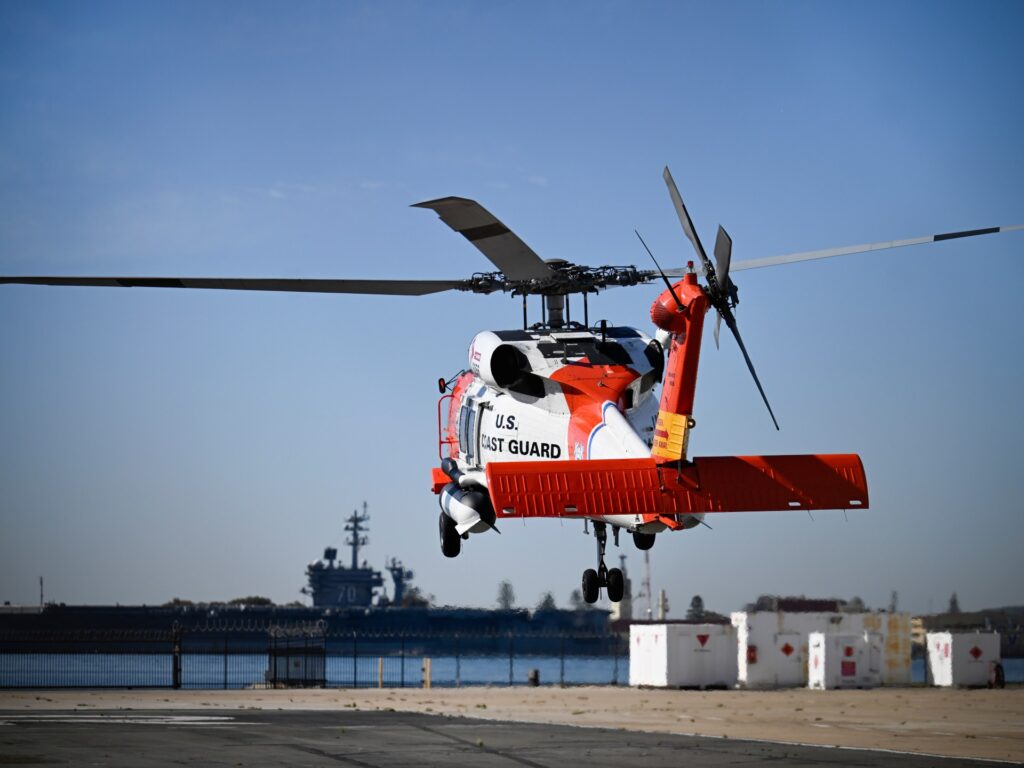
In the early hours of October 17, a small wooden fishing vessel carrying at least 27 people capsized near the town of San Quintín on Mexico’s Pacific Baja California coast. The boat, reportedly overloaded and struggling against a sudden swell, began taking on water before it sank completely. Survivors were rescued by the U.S. Coast Guard’s cutter *Bertholf* after it responded to a distress call from a nearby commercial ship.
Sixteen of the rescued passengers were taken to a local clinic in Ensenada, where medical staff noted a series of unusual injuries. Several of the survivors exhibited deep, jagged wounds that doctors identified as likely caused by shark bites, a rare but documented risk for vessels that spend hours adrift in the open sea. The remaining eleven people are still unaccounted for, prompting an ongoing search operation that involves both Mexican authorities and U.S. maritime agencies.
Why the incident matters beyond the immediate tragedy
The sinking highlights a growing convergence of three risk factors that are reshaping maritime safety in the region: climate‑driven sea‑state volatility, the rise of informal cross‑border fishing and transport networks, and the limited capacity of coastal rescue services. Climate models predict that the Pacific coast of Baja will see more frequent and intense swells, making small, poorly maintained boats especially vulnerable.
At the same time, the vessel’s passenger list included a mix of local fishers, seasonal agricultural workers, and a handful of migrants attempting to reach the United States via the southern border. The tragedy therefore adds to a pattern of maritime incidents that have become a de‑facto gateway for people fleeing economic hardship in Central America, the Caribbean and, increasingly, parts of West Africa. Each loss fuels political debate in Washington and Mexico about how to allocate resources for search‑and‑rescue while tightening immigration enforcement.
Connecting the dots: a global pattern of dangerous sea journeys
The Baja disaster echoes the Mediterranean crisis that has claimed thousands of lives of West African migrants over the past decade. In both theatres, smugglers exploit weak regulatory oversight, using overcrowded, ill‑equipped vessels to cut costs and evade detection. While the Mediterranean route is dominated by boats departing from Libya and Tunisia, the Pacific corridor now sees a modest but growing flow of migrants from Central America, the Caribbean and, according to NGOs, from Senegal and Ghana, who hope to hitch a ride on fishing boats heading north.
For African diaspora communities in the United States, the incident serves as a stark reminder that migration challenges are not confined to a single continent. Diaspora advocacy groups have begun to call for a coordinated international response that addresses the root causes—poverty, climate displacement, and criminal smuggling networks—rather than focusing solely on border enforcement. The call mirrors similar campaigns in Europe, where African NGOs have pushed for safer, legal pathways for migration.
Implications for tourism and the local economy
Baja California’s coastline is a magnet for international tourists, including a rising number of African travelers drawn by surf culture and marine wildlife tours. The specter of shark‑related injuries and a high‑profile boat sinking could dent the region’s reputation for safety, at least in the short term. Travel agencies in Lagos and Nairobi have already begun to advise clients to verify the credentials of local charter operators and to avoid night‑time trips in areas known for strong currents.
Conversely, the incident may spur investment in better safety infrastructure. Mexican authorities have announced plans to upgrade their coastal radar network and to increase joint patrols with U.S. agencies. If implemented, these measures could benefit both the local fishing community—by reducing the likelihood of accidental capsizing—and the tourism sector, which relies on a perception of security to attract high‑spending visitors.
What comes next: search, policy and prevention
The search for the eleven missing people is expected to continue for at least 48 more hours, with aerial drones, sonar-equipped vessels and volunteer divers combing the wreckage zone. Officials say the probability of finding survivors diminishes with each passing hour, but families and community leaders are urging authorities not to abandon the effort until all possible leads are exhausted.
Beyond the immediate rescue, policymakers in both Mexico and the United States are facing pressure to reevaluate maritime safety protocols. Proposals under discussion include mandatory safety drills for small‑boat operators, stricter load limits, and a bilateral agreement that would allow U.S. Coast Guard assets to operate more freely in Mexican territorial waters during emergencies. For African diaspora advocacy groups, the incident is a catalyst to push for broader migration reform that tackles the dangerous sea routes that migrants from Africa and the Americas alike are forced to use.
Quick Answers
How many people are still missing after the boat sank off Baja?
Eleven passengers remain unaccounted for, and the search continues.
What caused the injuries that some survivors are receiving?
Doctors say several survivors have wounds consistent with shark bites sustained while the boat was adrift.
Why is this incident relevant to African diaspora communities?
It highlights a global pattern of dangerous sea migrations that also affect West African migrants, prompting diaspora groups to call for safer, legal pathways.
Source: www.aljazeera.com




💬 Comments 0