Joseph Kabila Joins Rebellion in DRC 2026: What It Means for Eastern Congo’s War and Regional Stability
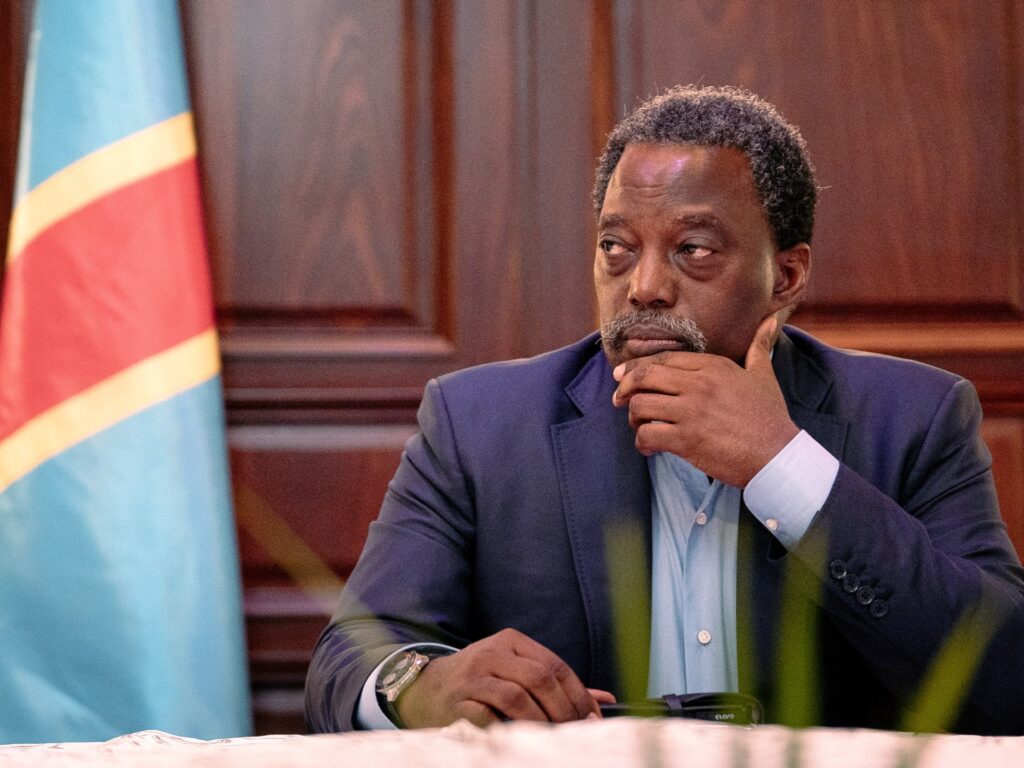
A troubled legacy and a volatile frontier
Joseph Kabila ruled the Democratic Republic of Congo for nearly two decades after the assassination of his father, Laurent Kabila, in 2001. His tenure was marked by a fragile peace, a patchwork of semi‑autonomous militias, and a mining economy that fed both the state treasury and armed groups. While the central government managed to hold together a sprawling nation, the eastern provinces – especially North Kivu, Ituri and South Kivu – remained a tinderbox of ethnic rivalries and foreign‑backed rebel factions.
Since the 1999‑2003 Second Congo War, more than six million people have been displaced and the region’s gold, coltan and lithium mines have become a global supply chain for smartphones and electric‑vehicle batteries. The United Nations’ peacekeeping mission, MONUSCO, has been present for almost two decades, yet its ability to enforce security has been eroded by corruption and the sheer scale of the conflict. In this context, any shift in the political calculus of a former head of state carries outsized weight.
Kabila’s post‑presidential period was supposed to be a quiet one, with the ex‑president largely confined to his family estate in Lubumbashi and occasional diplomatic engagements. However, his lingering influence over the Congolese National Army (FARDC) and his network of patronage in the mining sector kept him on the radar of both rebel leaders and regional power brokers.
The surprise move: Kabila’s entry into the rebel fold
In early October 2026, a statement circulated among rebel channels that Joseph Kabila had formally aligned himself with the March 23 Movement (M23), a militia that had previously been defeated by the FARDC in 2013 but has since resurfaced with new backing. The announcement was confirmed by a spokesperson for the group, who said Kabila would serve as a political adviser and help negotiate foreign aid for the rebels’ war chest.
Analysts say the decision reflects Kabila’s frustration with the current government’s failure to protect his business interests in the mineral‑rich east. Sources close to the former president claim he was offered a seat at the negotiating table in exchange for the rebels’ commitment to halt attacks on his mining concessions, a claim that the DRC’s Ministry of Mines has denied. The move also appears to be a strategic gamble to retain relevance in a political landscape increasingly dominated by younger, reform‑oriented leaders.
The timing is crucial. The Congolese government had just announced a new security sweep aimed at dismantling illegal mining operations, a policy that threatens the financial pipelines that sustained Kabila’s post‑presidential wealth. By joining the rebels, he not only gains leverage over the state’s crackdown but also signals to other disgruntled elites that armed opposition remains a viable bargaining chip.
Immediate fallout on the ground and in diplomatic circles
Within days of the announcement, clashes intensified around the town of Goma, with M23 forces launching a coordinated assault on a FARDC outpost that had previously been a flashpoint for cease‑fire violations. Satellite imagery released by a humanitarian NGO shows a surge in artillery movements and the deployment of heavy weapons that had not been seen in the area for years. Residents report a new wave of displacement, adding roughly 150,000 people to the already overstretched refugee camps in western Uganda and Rwanda.
The United Nations issued a statement urging “all parties, especially former leaders with political clout, to refrain from actions that could further destabilise the region.” The African Union’s Peace and Security Council called for an emergency session, citing concerns that Kabila’s involvement could undermine the 2024 Pretoria peace framework that had aimed to integrate rebel groups into national politics. Meanwhile, the United States and European Union have warned of possible sanctions targeting individuals who facilitate the financing of armed groups.
Economically, the shock reverberated through the global commodity market. Prices for cobalt and coltan spiked by 7 % on the London Metal Exchange, reflecting investor anxiety over supply disruptions. Companies with downstream operations in the DRC, such as EV battery manufacturers, issued statements emphasizing the need for “transparent and responsible sourcing” while reviewing contingency plans for alternative sourcing.
Why African readers should care: regional markets, diaspora, and security
The DRC’s eastern war is not a distant African problem; it directly influences the economies of neighboring states. Rwanda and Uganda, both major transit points for Congolese minerals, have seen a slowdown in customs revenues as trucks avoid conflict zones. Moreover, the influx of refugees strains already fragile public services in border towns, prompting humanitarian agencies to request additional funding from African donor countries such as Kenya and South Africa.
For the African diaspora, especially those with roots in the Great Lakes region, the escalation revives painful memories of past atrocities and raises concerns about family members still living in the conflict belt. Remittance flows, which make up roughly 12 % of Congo’s GDP according to the World Bank, could dip if diaspora communities become hesitant to send money amid heightened insecurity. Financial platforms that cater to African expatriates are already monitoring transaction volumes for sudden drops.
On a broader strategic level, Kabila’s alignment with a rebel group may reshape the balance of power among regional actors. Tanzania and the Central African Republic have historically acted as mediators in Congolese peace talks, but their influence could wane if the conflict drags on and external powers—such as China, which has invested heavily in DRC mining—seek to protect their own interests through back‑channel negotiations.
What comes next: scenarios for peace, escalation, or stalemate
Experts outline three plausible trajectories. The first is a rapid diplomatic push, where the African Union, backed by the United Nations, forces Kabila to withdraw his support in exchange for amnesty and a guaranteed role in future resource‑revenue sharing agreements. This would require the Congolese government to soften its crackdown on illegal mining and to grant broader political inclusion to former opposition figures.
The second scenario sees a protracted stalemate, with M23 bolstered by Kabila’s political capital but lacking the logistical capacity to capture major cities. In this case, the conflict would settle into a low‑intensity war, perpetuating displacement and keeping mineral prices volatile. Humanitarian agencies would continue to face funding gaps, and the DRC’s fragile institutions could further erode.
A third, less likely but possible, outcome is a full‑scale escalation that draws in foreign mercenaries and regional militias, turning the eastern provinces into a proxy battleground for competing interests. International sanctions could intensify, and the DRC might experience a renewed wave of sanctions that target both the state and private actors linked to the rebellion. The long‑term impact would be a setback for the continent’s broader push toward economic integration and the African Continental Free Trade Area’s (AfCFTA) ambitions.
Quick Answers
What does Joseph Kabila’s joining the rebels mean for the DRC conflict?
It adds political legitimacy and financial backing to the rebels, likely intensifying fighting and complicating peace negotiations.
How could the rebellion affect Congo’s mining sector?
Disruptions in eastern mines could raise global prices for cobalt, coltan and lithium, while investors may pause projects pending security guarantees.
What is the African Union’s likely response?
The AU is expected to call for an emergency session, push for a cease‑fire and seek Kabila’s withdrawal through diplomatic pressure or conditional amnesty.
Source: www.aljazeera.com




💬 Comments 0