Limoges Town Hall Fire Amid French Protests: What It Means for 2026 and the African Diaspora
Background
France has seen a surge of street unrest since early 2026, driven by a mix of economic strain, rising living costs, and tensions over police reforms. The ‘Gilets Jaunes’ movement of 2018‑19, which once dominated headlines, has re‑emerged in a new form, with protests now targeting local authorities and national policies that many feel ignore the needs of ordinary citizens. In Limoges, a city in the Nouvelle‑Aquitaine region, earlier demonstrations had already drawn crowds demanding better public services and more transparency from the municipal council.
The city’s demographic profile adds another layer to the unrest. Limoges hosts a sizable African diaspora community, many of whom work in public sector jobs or rely on municipal services. Their presence has historically been a point of cultural exchange as well as occasional friction, especially when public resources are stretched thin. As protests intensified across France, local residents—including members of the diaspora—found themselves on the front lines of a broader national debate about representation and equity.
What Happened
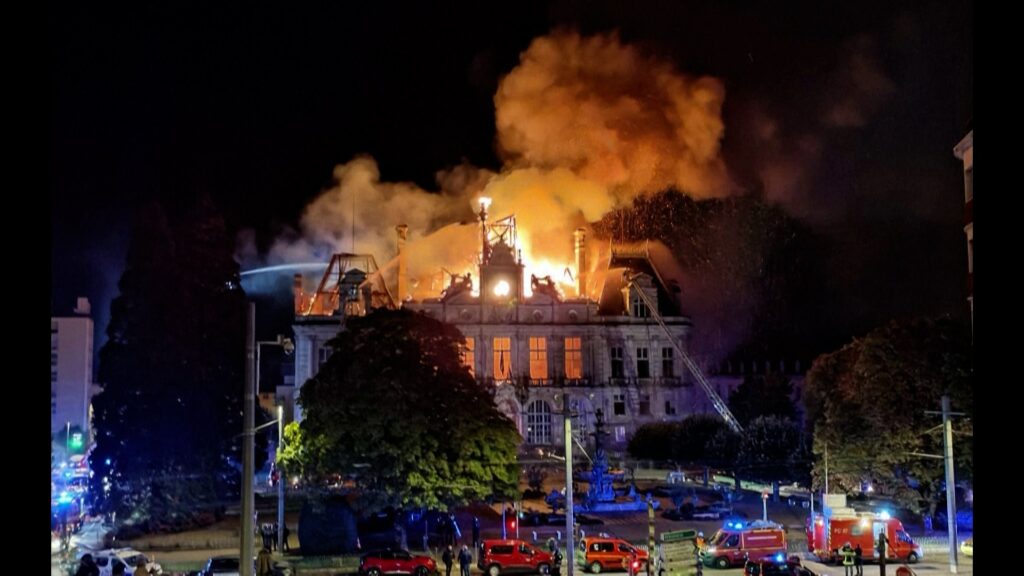
At approximately 11:45 p.m. on Tuesday, a group of masked individuals entered the Limoges town hall and set several windows ablaze. According to the municipal fire department, the blaze quickly spread, damaging the council chambers and the building’s historic façade. The fire was extinguished after several hours, but the structure is now described as ‘largely lost’ by city officials.
The incident caused no fatalities, but several firefighters sustained minor injuries while battling the flames. Local police detained four suspects who were later charged with arson and assault on public property. The authorities have yet to release a full list of the individuals involved, citing ongoing investigations.
Why It Matters
The destruction of a key civic building underscores a growing sense of instability in French local governance. With the town hall damaged, residents—including the African diaspora who depend on municipal services like permits, social aid, and community outreach—will face delays and uncertainty. The incident also signals to businesses and investors that the city may become a riskier environment, potentially impacting local economic growth.
From a broader perspective, the fire reflects a trend of escalating protest tactics across Europe. Similar acts of arson have been reported in Paris, Lyon, and Marseille over the past month, raising concerns about the effectiveness of current security measures. For the African diaspora, these events may prompt a reevaluation of their engagement in civic life, as they weigh the benefits of participation against the risks of being caught in politically charged situations.
What's Next
The French government is expected to review its security protocols for municipal buildings nationwide. Prime Minister’s office spokespersons have pledged to increase police presence in hotspots like Limoges, citing the need to protect public infrastructure and maintain order. Legal proceedings against the suspects are already underway, with prosecutors warning that the charges could lead to prison terms of up to five years.
Community leaders in Limoges, including representatives from local African associations, are calling for dialogue between residents and authorities. They argue that addressing underlying grievances—such as unemployment, housing shortages, and perceived neglect—could reduce the likelihood of future violent protests. Meanwhile, the national media is debating whether the incident marks a turning point in French protest culture, potentially prompting reforms in policing and public accountability.
Quick Answers
When did the Limoges town hall fire occur?
The fire broke out around 11:45 p.m. on Tuesday, 18 October 2026.
Were there any casualties?
No fatalities were reported; a few firefighters sustained minor injuries during the response.
How will the fire affect local services?
The damaged town hall will temporarily disrupt municipal services such as permits and social aid, but authorities plan to set up temporary offices to minimize disruption.
Source: www.aljazeera.com




💬 Comments 0