13‑year‑old Tuvalu girl urges world leaders to act on climate change, warns nation’s fate
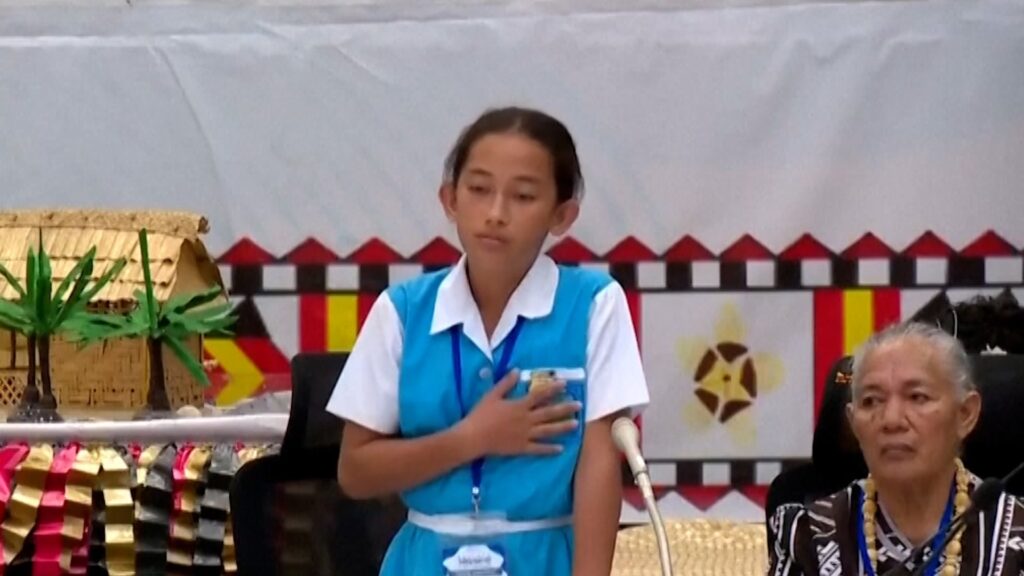
A tiny voice from the Pacific makes a global splash
In a video that has been shared across social media platforms, a 13‑year‑old girl from Tuvalu looks straight into the camera and asks world leaders to "save our country" from climate change. Her plea is simple, urgent, and framed in the language of a child who has already seen her schoolyard disappear under higher tides.
The girl, who has chosen to keep her name private for safety reasons, stands on a beach that has been eroded by saltwater for years. She points to a cracked road and a school that now has to close during the rainy season, turning personal loss into a stark illustration of a national crisis.
Tuvalu’s existential threat in numbers
Tuvalu, a chain of nine low‑lying atolls with a total land area of just 26 square kilometres, is among the world’s most vulnerable nations to sea‑level rise. Scientific models published by the IPCC in 2023 estimate that a global temperature increase of 1.5 °C could raise sea levels by up to 0.4 metres by 2100, enough to submerge up to 80 % of Tuvalu’s habitable land.
The nation’s population of roughly 11,500 people already experiences regular flooding, saltwater intrusion into freshwater lenses, and loss of arable land. The government has prepared a “migration plan” that includes the possibility of relocating its citizens to New Zealand, but the logistics and cultural ramifications of such a move remain largely uncharted.
Why the plea matters for Africa and the Global South
Tuvalu’s plight is not an isolated island story; it is a preview of what many African coastal nations will confront in the coming decades. Countries such as Mozambique, Senegal, and Ghana are already grappling with coastal erosion, storm surges, and the displacement of fishing communities.
A recent study by the African Development Bank warned that by 2050, up to 12 million Africans could be forced to move inland due to rising seas. The same forces that threaten Tuvalu—melting glaciers, thermal expansion of oceans, and weakened coral reefs—are also eroding Africa’s mangrove belts and reducing the natural protection they offer to coastal towns.
Furthermore, the moral argument of climate justice gains weight when a small nation like Tuvalu, which contributes less than 0.01 % of global emissions, must plead for survival while the world’s biggest polluters continue to grow their carbon footprints. African nations, which historically emitted far less than the West, often find themselves on the same negotiating table demanding climate finance.
The politics of climate finance and youth activism
The girl’s message arrives at a critical moment for climate finance. The UN’s Green Climate Fund (GCF) is set to disburse its next tranche of $10 billion in 2027, yet many vulnerable states argue that the allocation process remains opaque and favors larger economies that can meet complex reporting requirements.
Youth movements, from Fridays for Future in Europe to the African Climate Justice Alliance, have been pressing for a “loss and damage” fund that would compensate countries that cannot prevent climate impacts despite mitigation efforts. Tuvalu’s case is frequently cited as a litmus test for the effectiveness of such mechanisms.
In Nigeria, the youth‑led coalition “Climate Warriors Nigeria” has used Tuvalu’s story in its campaigns, arguing that the same lack of decisive action will soon threaten Lagos’s coastal districts, which house over 20 million people. The cross‑continental solidarity underscores a growing recognition that climate change is a shared, trans‑regional battle.
What comes next: pathways for action and accountability
The immediate demand from the Tuvaluan girl is for world leaders to honour the Paris Agreement’s 1.5 °C target. To translate that plea into policy, governments must accelerate the phase‑out of coal, invest in renewable energy, and, crucially, honor pledged climate finance to vulnerable nations.
For African policymakers, the next steps include integrating sea‑level rise projections into national development plans, strengthening coastal infrastructure, and negotiating for a larger share of the loss‑and‑damage fund. Regional bodies such as the African Union are already drafting a “Continental Resilience Charter” that could lock in financing for coastal adaptation projects.
Finally, the global community must amplify the voices of those who will live the consequences. Media outlets, NGOs, and diplomatic missions can give more airtime to young activists from the Pacific and Africa, ensuring that the narrative moves beyond abstract statistics to human stories that inspire concrete change.
Quick Answers
Who is the 13‑year‑old girl speaking for Tuvalu?
She is a 13‑year‑old student from Tuvalu who chose to keep her name private while urging world leaders to act on climate change.
What is the main threat that climate change poses to Tuvalu?
Rising sea levels could submerge most of Tuvalu’s land by mid‑century, threatening its entire population and culture.
How does Tuvalu’s situation relate to African coastal countries?
Both face sea‑level rise, coastal erosion, and potential displacement, making Tuvalu a warning sign for African nations like Mozambique and Ghana.
Source: www.aljazeera.com




💬 Comments 0