2026 hoax bomb threats to European airlines: culprits and impact on African travelers
Background: A sudden surge of fake bomb warnings
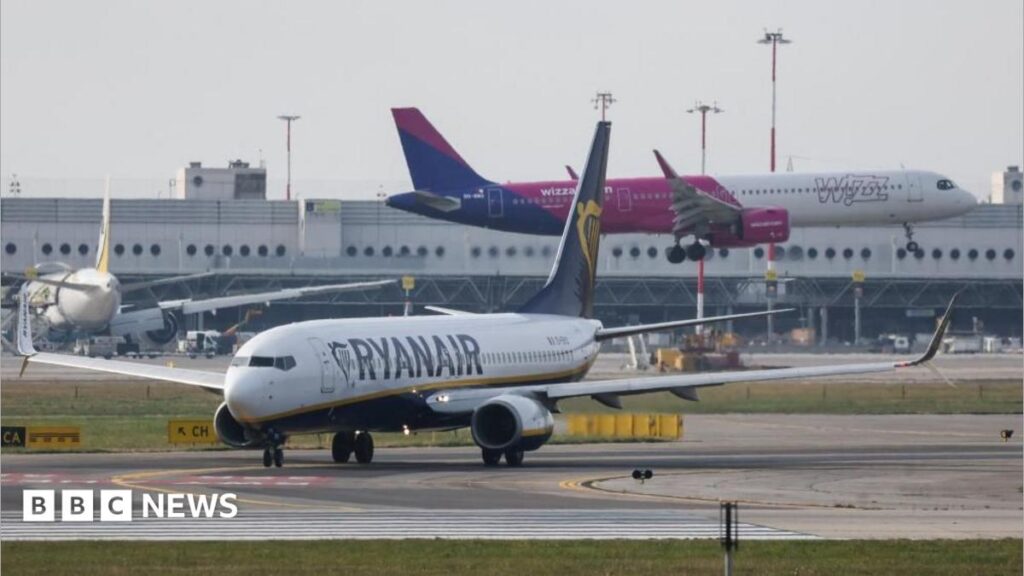
In early October 2026, several major European carriers reported receiving anonymous bomb threats that turned out to be hoaxes. The warnings triggered emergency evacuations, flight delays, and costly security sweeps across airports in Frankfurt, Paris, and London. While the incidents were quickly dismissed as false alarms, the pattern of coordinated calls raised eyebrows among aviation security experts, who warned that the tactic could be used to sow panic without a single explosive device.
Historically, hoax threats have been a low‑cost tool for actors seeking to disrupt travel, extract concessions, or gain media attention. In the past decade, similar campaigns have targeted U.S. airlines during election cycles and Middle‑Eastern carriers during regional conflicts. The current wave, however, stands out because of its geographic focus on Europe’s busiest hubs and the speed with which airlines have been forced to ground planes.
What we know about the latest threats
To date, authorities have not identified a definitive source for the calls. Police in Germany and France confirmed that the phone numbers used were untraceable burner lines, and the voice recordings showed no clear accent or dialect. The European Union Aviation Safety Agency (EASA) released a brief statement saying that investigations are ongoing but that there is “no evidence linking the threats to any state actor at this stage.”
Speculation in the media has pointed to Russia, Iran, or proxy groups as possible culprits, but analysts caution that such attributions are premature. According to a senior security consultant quoted by Reuters, “Hoax operations are often deliberately ambiguous; they thrive on the very uncertainty that fuels public fear.” The lack of forensic evidence means that any claim about who is behind the threats remains unverified.
Why the timing matters for African and diaspora travelers
European airports serve as critical gateways for millions of Africans traveling for work, study, and family visits each year. The sudden increase in security checks has already caused longer queues and missed connections for passengers from Nigeria, Kenya, Ethiopia, and the wider diaspora. For many, a delayed flight means lost tuition fees, missed job interviews, or additional accommodation costs that can quickly become unaffordable.
Airlines such as Ethiopian Airlines and Kenya Airways, which operate extensive European routes, have reported a rise in passenger complaints about the new “random security sweeps.” Their spokespersons told local media that the added procedures could erode confidence among African customers who already face higher ticket prices compared with European carriers.
Geopolitical backdrop: Disinformation, proxy wars, and travel
The European continent is currently a hotbed of diplomatic tension, with NATO‑Russia relations at a low point and Iran under renewed sanctions. In such an environment, non‑military tactics—like cyber‑enabled hoaxes—have become part of the broader playbook of state and non‑state actors seeking leverage without overt aggression. A report from the European Council on Foreign Relations noted that “air travel is an attractive target for asymmetric pressure because it directly affects economies and public sentiment.”
If a foreign power were to orchestrate fake bomb threats, the goal would likely be to force airlines to divert resources toward security, thereby inflating operational costs and creating a ripple effect on ticket prices. For African travelers, whose disposable income for air travel is already limited, even a modest fare increase could shrink the already narrow market share of African airlines on European routes.
Implications for airlines, security spending, and ticket prices
The immediate cost of each evacuation can run into the hundreds of thousands of euros, covering police deployment, baggage inspections, and compensation for delayed passengers. European carriers collectively could see an extra €200 million in security outlays this year if the threat pattern persists, according to a financial analyst at Bloomberg. Those expenses are typically passed on to consumers through higher ticket prices or reduced ancillary services.
African airlines, which already operate on thin margins, may feel a disproportionate impact. If European hubs tighten security protocols across the board, airlines that depend on those hubs for connections—such as Air Côte d’Ivoire or South African Airways—might be forced to renegotiate slots or even cut frequencies. This could limit the options available to African diaspora travelers and reduce the flow of tourism revenue back to the continent.
What could happen next: Scenarios and preventive steps
Experts outline three likely scenarios. First, the hoax campaign could fizzle out if authorities manage to trace the source and publicize the findings, restoring a sense of normalcy. Second, the threats could evolve into more sophisticated cyber‑attacks targeting airline reservation systems, a trend observed in previous disinformation campaigns. Third, if a state actor is confirmed, diplomatic retaliation could follow, potentially leading to broader sanctions that would affect not only the aviation sector but also trade links with Africa.
In the meantime, airlines are advised to invest in AI‑driven threat‑verification tools that can quickly assess the credibility of bomb warnings. Passenger advocacy groups, especially those representing African communities, are calling for clearer communication from airlines about security procedures to avoid unnecessary anxiety. Transparency, they argue, will help maintain trust and keep travel routes open for the millions who rely on them.
Quick Answers
Who is suspected of behind the 2026 European airline bomb hoaxes?
No concrete evidence links the threats to any specific state; speculation points to Russia, Iran, or proxy groups, but authorities have not confirmed any perpetrator.
How are African travelers affected by the hoax bomb threats?
Delays and extra security checks increase travel costs and cause missed connections, which can disproportionately burden African passengers and airlines serving diaspora routes.
Will ticket prices rise because of the bomb threat investigations?
Analysts predict higher security spending could push European airlines to raise fares, and African carriers may also feel pressure to increase prices or cut services.
Source: www.bbc.co.uk




💬 Comments 0