Tanzanian opposition leader, 58, guilty of inciting unrest, acquitted of treason in 2026
Background: A fraught political climate
Since President Samia Suluhu Hassan took office in 2021, Tanzania has seen a gradual tightening of space for dissent, a trend that accelerated after the 2022 constitutional amendment that extended presidential terms. Opposition parties, especially the main challenger, have faced raids, media bans and the arrest of senior figures, creating an atmosphere of fear among activists and ordinary citizens alike.
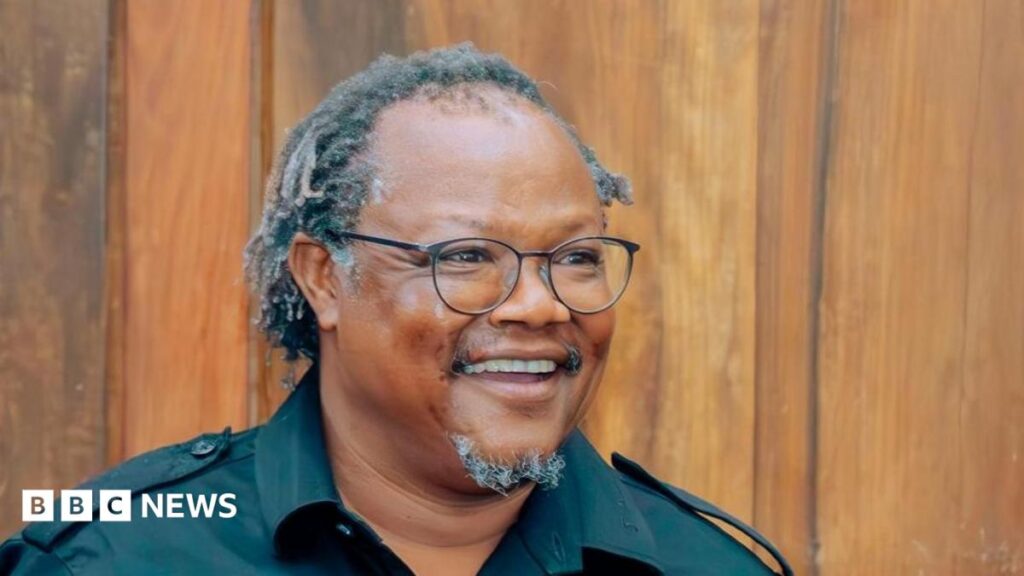
The man now on trial – a 58‑year‑old veteran of the opposition who has been held without bail since April 2025 – has long been a vocal critic of the government’s handling of the economy and human‑rights record. His detention coincided with a wave of protests over rising food prices and alleged electoral fraud in local council elections, which the authorities labelled as “unlawful agitation”.
Legal experts say the charges of treason and incitement were introduced under the 2015 Public Order Act, a law that has been repeatedly used to silence political opponents. The act defines treason broadly, allowing prosecutors to interpret any criticism of state policy as an attempt to undermine national security.
The verdict: Incitement confirmed, treason dismissed
On 4 November 2026, the High Court delivered a split verdict: the opposition leader was convicted of “inciting unrest” and sentenced to two years in prison, but the more severe treason charge was dropped. The judge cited insufficient evidence that the defendant had plotted to overthrow the government, a point highlighted by the defence team during the closing arguments.
Human‑rights groups, including Amnesty International, called the incitement conviction “politically motivated” and warned that it sets a dangerous precedent for future prosecutions. They noted that the evidence presented consisted largely of social‑media posts and statements made at public rallies, which, while critical, did not call for violent overthrow.
The prosecution, representing the Attorney General’s office, argued that the defendant’s speeches had sparked the April‑May 2025 protests that turned violent in Dar es Salaam. However, independent observers from the African Union Election Observation Mission reported that the protests were largely peaceful until police used tear gas, suggesting a causal link the court ignored.
Why the ruling matters for Tanzania’s democracy
The partial victory – acquittal on treason – is unlikely to restore confidence in the judiciary, which many Tanzanians view as an extension of the executive. The conviction for incitement reinforces a pattern where legal tools are used to keep opposition leaders out of the public arena, especially ahead of the 2027 general election.
Political scientists at the University of Dar es Salaam warn that such verdicts can depress voter turnout among opposition supporters, who may feel that their votes will not translate into real change. The fear of imprisonment also discourages potential candidates from running, narrowing the field to those who are either loyal to the ruling party or willing to accept the risk of repression.
Internationally, the case has drawn criticism from the European Union, which has linked development aid to improvements in governance. If the Tanzanian government does not address the concerns raised by the verdict, it could face reduced aid flows, a factor that would directly affect infrastructure projects and health programs that rely on external financing.
Diaspora reactions and the ripple effect on African investors
Tanzanian expatriates in the United Kingdom, the United States and South Africa organized a series of vigils on the day of the verdict, demanding the release of all political prisoners. Social‑media campaigns under the hashtag #FreeTanzaniaLeaders trended in several diaspora circles, highlighting how the case resonates beyond the country’s borders.
For African investors, the verdict is a warning sign. The country’s sovereign bond yields have risen modestly since the arrest, reflecting heightened risk perception among foreign creditors. A senior analyst at a Nairobi‑based investment firm told Bloomberg that “political instability in Tanzania could deter the inflow of private equity that has been crucial for the mining and tourism sectors”.
Conversely, some regional business leaders argue that the government’s hard line may bring short‑term stability, which is attractive for projects requiring certainty, such as the new oil pipeline slated for completion in 2029. This debate underscores the split view within the African business community about the trade‑off between political freedom and economic predictability.
What comes next: Legal appeals and the 2027 election landscape
The defence has already filed an appeal to the Court of Appeal, seeking a full acquittal on the incitement charge. Legal analysts predict a lengthy process, noting that appellate courts in Tanzania have historically upheld lower‑court decisions in politically sensitive cases.
In the meantime, the ruling party, Chama Cha Mapinduzi (CCM), is intensifying its campaign for the 2027 polls, positioning itself as the guarantor of national security after “preventing treasonous plots”. The opposition coalition, however, is scrambling to find a replacement candidate who can rally supporters while avoiding further arrests.
Observers from the Southern African Development Community (SADC) have offered to mediate a dialogue between the government and opposition groups, emphasizing the need for a peaceful, inclusive election. Whether such mediation will be accepted remains uncertain, but the outcome of the appeal could either open a window for negotiation or deepen the political stalemate.
Quick Answers
What was the Tanzanian opposition leader convicted of in 2026?
He was found guilty of inciting unrest and sentenced to two years in prison, while the treason charge was dismissed.
How might the verdict affect Tanzania’s 2027 general election?
The conviction could weaken the opposition’s ability to campaign, potentially lowering voter turnout among its supporters and consolidating CCM’s dominance.
Will the conviction impact foreign investment in Tanzania?
Yes, heightened political risk may raise borrowing costs and deter private‑equity inflows, especially in sectors like mining and tourism.
Source: www.bbc.co.uk




💬 Comments 0