Two dead in French bus crash near Lyon, child and student killed, African diaspora impact
Background: France’s bus safety record
Road transport remains the most common way for commuters and students to travel between French cities, and buses carry millions of passengers each year. The French Ministry of Transport reported that in 2023 there were 1,200 bus‑related accidents, resulting in 30 fatalities and over 500 injuries, a slight increase from the previous year according to the agency’s annual safety bulletin.
Safety regulations for intercity coaches have tightened since the 2018 European Union directive that mandated electronic stability control and stricter driver‑hour limits. Nevertheless, enforcement varies across regions, and many private operators still run older fleets that lack the newest safety technologies, a point highlighted by a recent report from the French Road Safety Agency (Sécurité Routière).
The demographic profile of bus passengers is diverse, but a significant proportion are students and migrant workers who rely on affordable transport. In 2022, a study by the French National Institute of Statistics (INSEE) found that 18 % of African‑origin residents in France used intercity buses at least once a month to visit family or attend educational institutions.
The crash: what officials reported
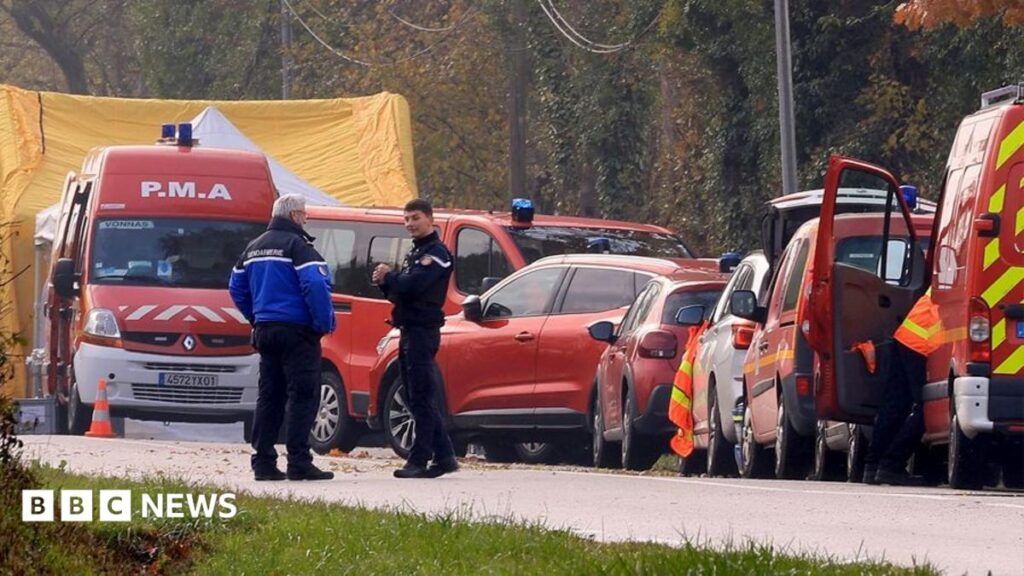
Local police in the Rhône‑Alpes region confirmed that a coach traveling from Paris to Marseille collided with a stalled truck on the A7 motorway near Lyon at approximately 07:45 GMT on Tuesday. Emergency services extracted passengers from the wreckage, and two victims – a nine‑year‑old girl and a 22‑year‑old university student – were pronounced dead at the scene.
Authorities said the driver of the bus suffered a loss of control after the truck’s hazard lights failed to activate, a technical fault that investigators are now examining. Preliminary statements from the French National Gendarmerie indicated that weather conditions were clear, ruling out visibility as a contributing factor.
The crash left more than a dozen people with injuries ranging from minor cuts to serious fractures. Several victims were taken to Lyon‑Saint‑Exupéry Hospital, where trauma surgeons reported that the majority were stabilized within hours. The bus driver, who survived, was placed under medical observation pending a formal interview.
Why it matters for African communities in France
The tragedy struck a chord within France’s sizable African diaspora, many of whom depend on intercity buses for affordable travel between university campuses, employment hubs, and family homes across the country. Community leaders in Lyon and Paris posted tributes on social media, noting that the student victim was a second‑generation Senegalese studying engineering, while the child’s family had recently migrated from Côte d’Ivoire.
According to a spokesperson for the Union des Associations de la Diaspora Africaine (UADA), the incident underscores a “persistent gap in transport safety that disproportionately affects low‑income migrant families.” The organization called for an audit of bus operators that serve routes with high concentrations of African passengers, urging regulators to prioritize fleet modernization and driver training in these corridors.
The accident also revived discussions about travel insurance uptake among African students. A 2024 survey by the African Students Association in France revealed that only 38 % of respondents held comprehensive travel insurance, citing cost and lack of awareness. After the crash, several university counseling offices announced workshops on insurance literacy, hoping to reduce future financial hardship for families facing similar tragedies.
Broader European road safety concerns
The French incident mirrors a pattern of high‑profile bus crashes across Europe in the past year, including a deadly collision in Spain’s Valencia region and a multi‑vehicle pile‑up in Germany’s Ruhr area. The European Transport Safety Council (ETSC) warned in a June 2026 briefing that “coach safety is lagging behind passenger‑car standards,” pointing to outdated braking systems and inconsistent driver‑fatigue monitoring as key risk factors.
In response, the European Commission is drafting amendments to the 2018 directive, aiming to introduce mandatory electronic driver‑monitoring devices and a unified inspection regime for cross‑border operators. If adopted, the measures could raise operating costs for small bus companies, a concern voiced by the French Federation of Bus Operators, which argues that “the industry needs a balanced approach that safeguards passengers without jeopardizing affordable services.”
Consumer advocacy groups, such as Transport Watch Europe, have called for a public database of bus‑operator safety records, similar to the airline industry’s transparency model. They argue that greater visibility would empower passengers—including diaspora communities—to make informed choices, potentially driving market pressure for higher safety standards.
What’s next: policy responses and travel advice
The French government announced a three‑day investigative commission chaired by Transport Minister Élisabeth Borne, tasked with delivering recommendations within 30 days. Early indications suggest the commission will focus on mandatory electronic stability control retrofits for coaches older than ten years and stricter enforcement of driver‑rest periods on long‑haul routes.
Meanwhile, the French Consulate in Dakar issued a travel advisory urging citizens traveling to France to verify that bus operators hold the latest safety certifications and to consider alternative transport modes where feasible. The advisory also reminded travelers to keep emergency contact information updated with their embassies, a practice that gained traction after the 2025 earthquake in Morocco highlighted gaps in consular assistance during transport disasters.
For African students and migrant workers already on the road, experts recommend practical steps: confirming the bus’s license plate, checking online reviews, and purchasing travel insurance that covers medical evacuation. As the investigation proceeds, the hope is that heightened scrutiny will translate into safer journeys for all passengers, regardless of nationality or income.
Quick Answers
How many people were killed in the French bus crash near Lyon?
Two people died – a nine‑year‑old child and a 22‑year‑old university student.
Who were the victims of the crash?
The victims were a young girl from Côte d’Ivoire and a Senegalese‑origin student studying engineering in France.
What safety measures are being considered after the crash?
France is planning mandatory retrofits of electronic stability control on older coaches and stricter driver‑rest regulations, while the EU is reviewing a directive to require electronic driver‑monitoring devices.
Source: www.bbc.co.uk




💬 Comments 0