2026 Nobel Prize in Medicine for Optogenetics: Karl Deisseroth, Peter Hegemann & Georg Nagel’s Breakthrough and Its Impact on African Brain Research
Why the Nobel Matters: From Light‑Controlled Neurons to Global Health
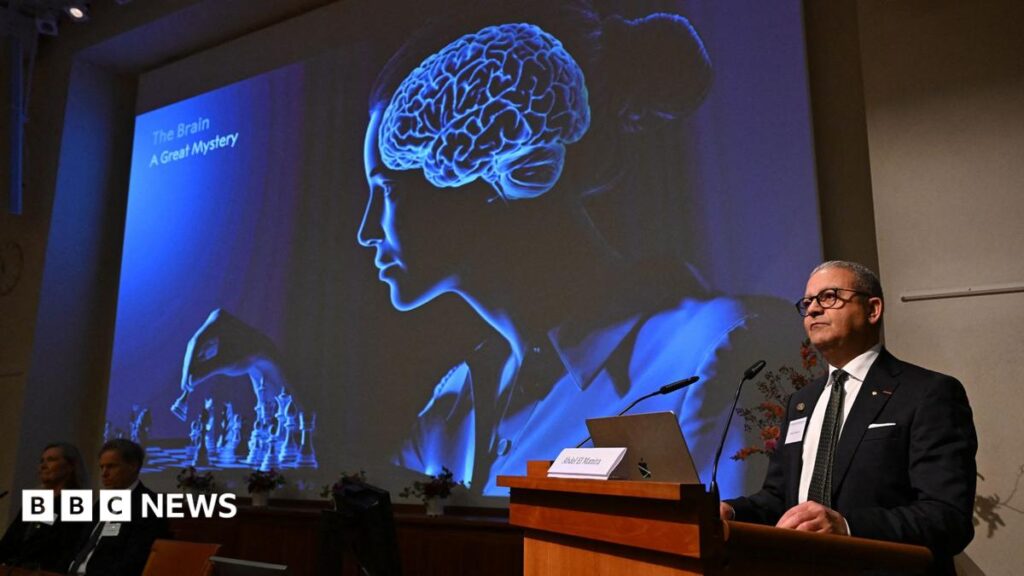
The 2026 Nobel Prize in Physiology or Medicine was awarded to U.S. psychiatrist Karl Deisseroth and German scientists Peter Hegemann and Georg Nagel for perfecting optogenetics – a technique that uses light‑sensitive proteins to switch neurons on and off with millisecond precision. While the award celebrates a scientific tour de force, its real significance lies in the doors it opens for treating brain disorders that affect millions worldwide, from depression to Parkinson’s disease.
Optogenetics has already moved from mouse labs to early human trials, where researchers are testing light‑based implants to restore vision and to modulate mood circuits. The Nobel recognition accelerates funding, regulatory approval, and public acceptance, turning what was once a niche neuroscience tool into a mainstream therapeutic platform. For Africa, where mental‑health services are chronically under‑resourced, the prospect of minimally invasive, highly targeted treatments could reshape health systems that currently rely on medication with broad side‑effects.
A Brief History: From Algae Proteins to Human Brains
The story began in the early 2000s when Hegemann and Nagel isolated channelrhodopsins – light‑gated ion channels from green algae – and showed they could be expressed in animal neurons. Deisseroth then integrated these proteins with sophisticated viral vectors and fiber‑optic hardware, enabling researchers to control specific brain circuits in living animals. The technique quickly proved its power by mapping the neural basis of fear, reward, and social behavior.
Over the past decade, optogenetics has been refined with newer opsins that respond to different wavelengths, faster kinetics, and reduced immune reactions. Parallel advances such as CLARITY – Deisseroth’s tissue‑clearing method – have allowed scientists to visualise whole brains in three dimensions, revealing wiring patterns that were previously invisible. The Nobel committee highlighted not just the original discovery but the entire ecosystem of tools that now underpins modern neurobiology.
Implications for African Neuroscience and Health Policy
African universities have historically faced funding gaps in high‑cost neuroscience research, yet several institutions are beginning to catch up. The University of Cape Town’s Brain Institute and Kenya’s African Centre for Technology and Innovation have both launched optogenetics pilot projects, often in collaboration with European labs. The Nobel win is expected to attract international grants earmarked for capacity‑building, which could translate into new labs, training programmes, and scholarships for African students.
Policy‑makers across the continent are also taking note. South Africa’s National Department of Health recently released a white paper on “Emerging Neuro‑Technologies,” urging regulators to develop clear pathways for clinical trials involving optogenetic devices. If these frameworks are adopted, African patients could gain earlier access to cutting‑edge therapies, while local biotech firms may find a niche in manufacturing light‑delivery hardware suited to low‑resource settings.
Economic Opportunities: From Start‑Ups to Exportable Tech
The optogenetics market is projected to exceed $5 billion by 2030, driven by demand for neuroscience research tools and medical implants. African entrepreneurs are already positioning themselves to tap this growth. For example, Nigeria’s biotech start‑up NeuroLight is developing affordable, battery‑powered LEDs that could be paired with gene‑therapy vectors for field‑use in rural clinics. Such innovations could bypass the high‑cost equipment imported from Europe and the U.S., creating a home‑grown supply chain.
Beyond hardware, there is a surge in data‑science expertise across Africa that can support the massive imaging datasets generated by CLARITY and related techniques. Companies in Ghana and Rwanda are offering cloud‑based analysis platforms, turning raw brain scans into actionable insights for researchers worldwide. This digital‑first approach not only fuels local employment but also positions Africa as a partner rather than a consumer in the global neuro‑tech ecosystem.
What Comes Next? Clinical Trials, Ethics, and Community Engagement
The next milestone will be large‑scale human trials of optogenetic therapies for conditions like refractory depression and epilepsy. Several African hospitals have volunteered as trial sites, citing the continent’s genetic diversity and the urgent need for novel mental‑health interventions. However, ethical considerations are paramount: community consent, data privacy, and equitable benefit‑sharing must be built into every protocol.
Civil society groups in Kenya and Uganda have already begun public education campaigns about gene‑based therapies, aiming to demystify the science and address fears of “brain hacking.” Their involvement is critical for ensuring that the rollout of optogenetic treatments respects cultural values and does not exacerbate existing health inequities. Successful integration will depend on transparent governance, robust regulatory oversight, and sustained investment in local expertise.
Quick Answers
What is optogenetics and why did it win the Nobel Prize?
Optogenetics uses light‑sensitive proteins to control neurons with precise timing, enabling researchers to map and manipulate brain circuits; the Nobel recognized its transformative impact on neuroscience and medicine.
How could the Nobel win affect brain‑health treatment in Africa?
The award is expected to draw funding, regulatory focus, and tech transfer that could accelerate clinical trials, local manufacturing of light‑delivery devices, and training for African scientists.
Are there African companies developing optogenetics technology?
Yes, start‑ups like Nigeria’s NeuroLight are creating low‑cost LED systems for therapeutic use, while Ghanaian firms offer cloud‑based brain‑image analysis services.
Source: www.bbc.co.uk



💬 Comments 0