44 Dead After Ferry Capsizes on Zimbabwe’s Lake Kariba Amid Strong Waves, August 2026
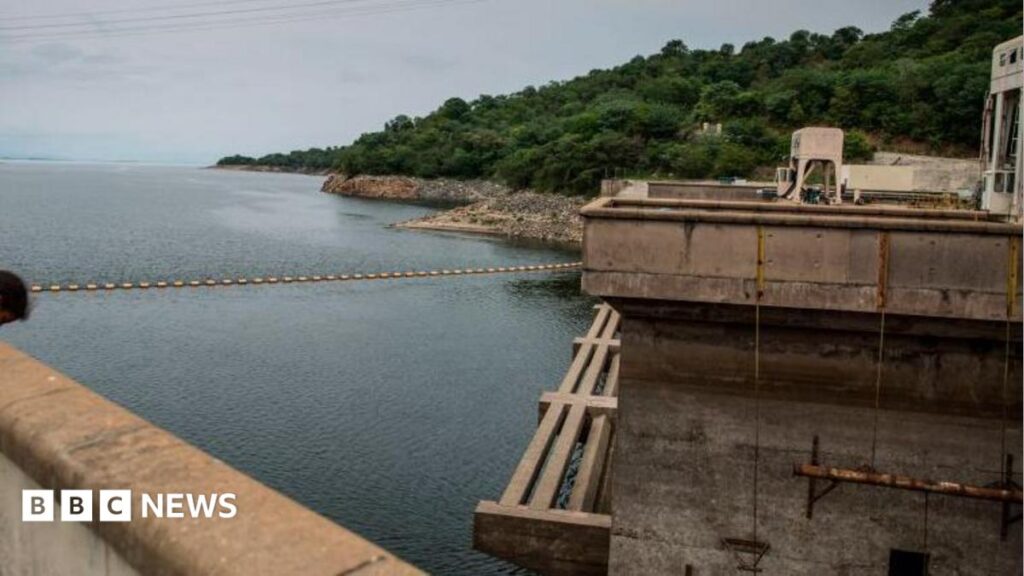
Lake Kariba: A lifeline for communities and tourists
Lake Kariba, the world’s largest man‑made reservoir, straddles the border between Zimbabwe and Zambia. Built in the 1950s to power the Kariba Dam, the lake now supports fishing, hydroelectric generation and a thriving tourism sector that draws safari‑seeking visitors from across Africa and Europe. Small passenger ferries, often privately owned, shuttle locals, traders and tourists between settlements such as Bumi Hills, Mlibizi and the remote islands that dot the water’s edge.
For many residents of the southern Zambezi basin, the lake is more than a scenic backdrop; it is the main artery for moving goods, accessing health clinics, and reaching schools. Formal road networks remain sparse, especially during the rainy season when tracks can become impassable. As a result, cheap ferry services fill a critical gap, despite operating with limited oversight and aging vessels.
The tourism boom over the past decade has amplified demand for lake transport. Luxury lodges and game‑viewing camps market boat trips as part of the safari experience, while local entrepreneurs rent out modest wooden boats for day trips. This surge has put pressure on authorities to balance commercial opportunities with safety, a balance that has historically been fragile.
What happened on August 11: the capsizing and its toll
On the evening of August 11, a wooden passenger ferry carrying at least 80 people set out from the Mlibizi dock toward a popular fishing spot. According to eyewitnesses, the vessel was suddenly hit by a series of unusually high waves that rolled across the lake after a fast‑moving cold front passed through the region. The boat listed, water rushed in, and within minutes it overturned, throwing passengers into the cold water.
Rescue teams from the Zimbabwe Republic Police, the Zambezi River Authority and local volunteers scrambled to the scene. By the following morning, officials confirmed that at least 44 people had died, many of them trapped under the hull, while more than 30 survivors were pulled to safety. Several victims were identified as local traders, while others were tourists from South Africa, the United Kingdom and the United States.
The tragedy unfolded against a backdrop of limited emergency infrastructure. The nearest medical facility is a modest health centre in Kariba town, a three‑hour drive away, and helicopters that could have expedited evacuations were unavailable due to poor weather. This logistical gap contributed to the high fatality count, as many victims succumbed to hypothermia before help could reach them.
Why the disaster matters beyond the immediate loss
Beyond the heartbreaking death toll, the sinking exposes deep‑seated gaps in maritime safety regulation on inland waterways across Southern Africa. Unlike oceanic ports, inland ferry operators often escape rigorous inspections, and many vessels lack basic life‑jacket provisions or certified crew. The Kariba incident may therefore trigger a reassessment of how Zimbabwe’s transport ministry monitors private boat operators.
Tourism operators have already voiced concern that the accident could tarnish the lake’s reputation as a safe, high‑end safari destination. Travel agencies in Harare and Johannesburg have begun reviewing itineraries that include lake trips, and some are offering refunds or alternative routes. A dip in visitor numbers would directly affect the livelihoods of thousands of workers who depend on the lake’s hospitality sector, from boat captains to lodge staff.
The economic ripple extends to regional trade as well. Small‑scale fishers use the same ferries to bring their catch to markets in Kariba and beyond. A loss of confidence in lake transport could force traders onto longer, costlier road routes, inflating food prices in remote communities and eroding the informal economy that sustains many families.
Regional reaction and the diaspora’s response
Zimbabwe’s president issued a statement of condolence and ordered an immediate investigation, pledging that “no family will be left without support.” Opposition parties, however, seized the moment to criticize the ruling ZANU‑PF government for neglecting infrastructure investment, a point echoed by civil‑society groups that have long campaigned for stricter maritime standards.
Among the Zimbabwean diaspora, especially in the United Kingdom and South Africa, social media lit up with calls for accountability. Diaspora NGOs such as the Zimbabwe Diaspora Forum have started fundraising drives to assist victims’ families, while also lobbying the government to allocate funds for better rescue equipment on Lake Kariba.
In neighbouring Zambia, officials expressed solidarity and offered to share rescue vessels from the Zambezi River fleet. The cross‑border nature of the lake means that any policy shift will likely require bilateral coordination, an area where past cooperation has been uneven but could become a catalyst for joint safety protocols.
What comes next: investigations, reforms and community aid
A commission of inquiry, chaired by a senior judge, is set to convene within the next two weeks. Its mandate includes examining vessel licensing records, crew qualifications, and the weather forecasting system that allegedly failed to warn operators of the sudden wave surge. Early reports suggest that the ferry’s owner did not possess a valid safety certificate, a violation that could lead to criminal charges.
International donors, including the World Bank’s Africa Water Initiative, have expressed willingness to fund a pilot program that equips Lake Kariba’s most frequented routes with GPS‑based wave monitoring buoys. Such technology could provide real‑time alerts to captains, reducing the likelihood of similar accidents during sudden storms.
Meanwhile, community groups in Kariba town have organized temporary shelters for displaced families and are coordinating with NGOs to distribute life‑jackets, first‑aid kits, and food parcels. The long‑term recovery will hinge on whether the government can translate the outpouring of public grief into concrete policy changes that safeguard both residents and the growing tourist market.
Quick Answers
How many people died in the Lake Kariba ferry disaster?
At least 44 passengers were confirmed dead after the ferry capsized on August 11, 2026.
What caused the ferry to overturn on Lake Kariba?
Strong, unexpected waves generated by a fast‑moving cold front hit the boat, causing it to list and capsize.
Will the Lake Kariba ferry accident affect tourism in Zimbabwe?
Yes, travel operators fear the incident could deter visitors, prompting a review of lake‑based safari packages and potentially impacting local tourism revenue.
Source: www.bbc.co.uk




💬 Comments 0