48 dead after gunmen on motorcycles raid Nigerian village in 2026, raising security alarm
A widening wave of rural insecurity
Nigeria’s north‑central and north‑western states have seen a steep rise in bandit attacks over the past three years, with armed groups exploiting porous borders, weak policing and abundant small‑arms. According to the International Crisis Group, incidents involving motorcycle‑mounted gunmen have surged by more than 60 % since 2023, turning remote farming communities into frequent battlefields. The violence is not limited to theft; it often includes arson, kidnapping and mass killings that destabilise entire districts.
The government’s counter‑insurgency strategy has largely focused on deploying the army to known hot spots, yet many villages remain outside the reach of regular patrols. Local vigilante groups, while sometimes effective, lack training and can exacerbate cycles of revenge. In the months leading up to the October raid, nearby towns reported a string of lootings, cattle rustling and forced displacements, signalling a pattern of opportunistic predation rather than isolated crime.
What happened on the night of the raid
On Friday night, unidentified gunmen on motorcycles descended on a remote village in Niger State, entering on a wave of darkness and speed that left residents with little time to react. Eyewitnesses told police that the attackers split into two groups, one targeting the market stalls while the other moved house‑to‑house, setting structures ablaze and looting whatever they could carry. By dawn, the flames had reduced several family homes to charred skeletons.
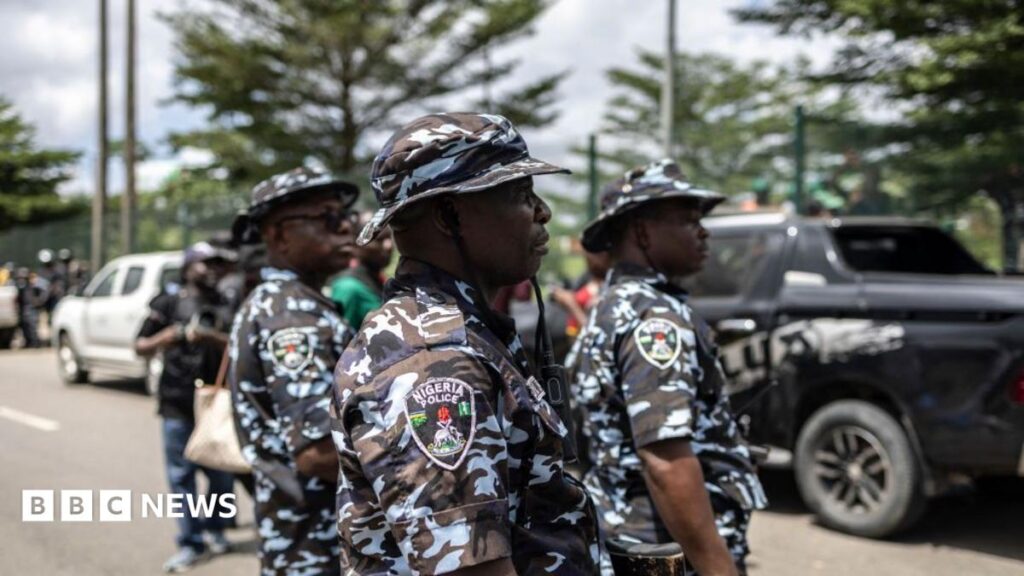
Official figures released by the Nigerian police now place the death toll at 48, up from an initial count of 31 announced earlier in the day. The victims included men, women and children, many of whom were found with bullet wounds in the village square where they had gathered for a communal prayer. The police also reported that the gunmen fled on their motorcycles, disappearing into the surrounding bushland before security forces could arrive.
Immediate fallout for the community and diaspora
The loss of life has plunged the village into a humanitarian crisis. With most of the adult male population either killed or missing, the remaining families now face a severe labor shortage for planting the upcoming rainy‑season crops. Food stores were burned, and the local market— the primary source of supplies for surrounding hamlets—was looted, leaving an estimated 2,000 people without access to basic staples. Aid agencies warn that without rapid intervention, the area could see a sharp rise in malnutrition.
Nigerian diaspora groups in the United Kingdom, United States and South Africa have taken to social media, calling for an emergency response and urging the government to prioritize civilian protection. Fundraising drives have already collected over $150,000 to provide temporary shelter, medical kits and food parcels. The diaspora’s swift mobilisation highlights a growing sense of responsibility among overseas Nigerians who feel abandoned by domestic authorities.
Why the raid matters beyond the village
The incident arrives at a critical moment for Nigeria’s 2027 general elections, where security is a top voter concern. Analysts at the African Centre for the Study of Conflict argue that repeated attacks in agrarian zones could erode confidence in the incumbent administration and shift electoral dynamics toward candidates promising robust rural security reforms. Moreover, the raid threatens foreign investment; agricultural exporters fear supply chain disruptions, and investors in the Niger Delta’s oil sector watch closely for spill‑over effects.
Regionally, the raid underscores a broader trend of motorcycle‑based banditry that has spilled over into neighboring countries such as Chad and Cameroon. Cross‑border criminal networks exploit the same routes, smuggling weapons and contraband. The United Nations Office on Drugs and Crime (UNODC) has warned that unchecked mobility of armed groups could destabilise the Sahel, prompting a reassessment of regional security cooperation frameworks.
What comes next: government, NGOs and community response
In the wake of the attack, the federal government announced a special task force led by the Chief of Army Staff, promising to conduct “zero‑tolerance” operations in the affected districts. Sources say the task force will combine army units with local police and community vigilantes, a controversial approach that aims to close the security vacuum but risks further civilian casualties if not properly overseen. The Ministry of Interior also pledged to increase motorcycle checkpoints along rural arteries.
Civil society organisations are pressing for a longer‑term solution that goes beyond military might. The Nigerian Farmers’ Association has called for a national grain‑security fund to support villages that lose harvests to attacks, while human‑rights groups demand transparent investigations into alleged extrajudicial killings during past counter‑insurgency sweeps. For the diaspora, the next step is likely continued advocacy and targeted fundraising, ensuring that relief reaches the hardest‑hit families while keeping pressure on Abuja to address the root causes of banditry.
Quick Answers
How many people were killed in the October 2026 village raid in Nigeria?
The death toll was confirmed at 48 by the Nigerian police.
Why are motorcycle‑mounted gunmen targeting remote villages in Nigeria?
They exploit the speed and mobility of motorcycles to raid poorly defended rural areas, looting supplies and intimidating communities.
What is the Nigerian government doing after the raid?
A special task force has been deployed to the region, and authorities have pledged more checkpoints and a crackdown on bandit groups.
Source: www.bbc.co.uk




💬 Comments 0