Thousands of Northern Irish Protestants March in Portadown Ahead of 2026 Court Ruling on Orange Order Parade
Background: The Orange Order and Portadown’s Parade Dispute
The Orange Order, a Protestant fraternal organization founded in 1795, has long used annual parades to celebrate its cultural heritage. In Northern Ireland, the most contentious of these is the July 12th march through Portadown, a town where Catholic and nationalist residents have repeatedly protested the route that cuts through their neighbourhoods. Over the decades, the parade has sparked riots, legal battles, and a series of negotiated compromises overseen by the Parades Commission, an independent body created after the 1998 Good Friday Agreement.
In recent years, the Commission has imposed restrictions on the march’s path, limiting it to a shorter, less symbolic route. The Order’s leadership has challenged these decisions in the courts, arguing that the limitations infringe on their rights to freedom of assembly and expression. A high‑profile case is now awaiting a judgment from the Belfast High Court, with the decision expected later this month.
The March: Thousands Take to the Streets
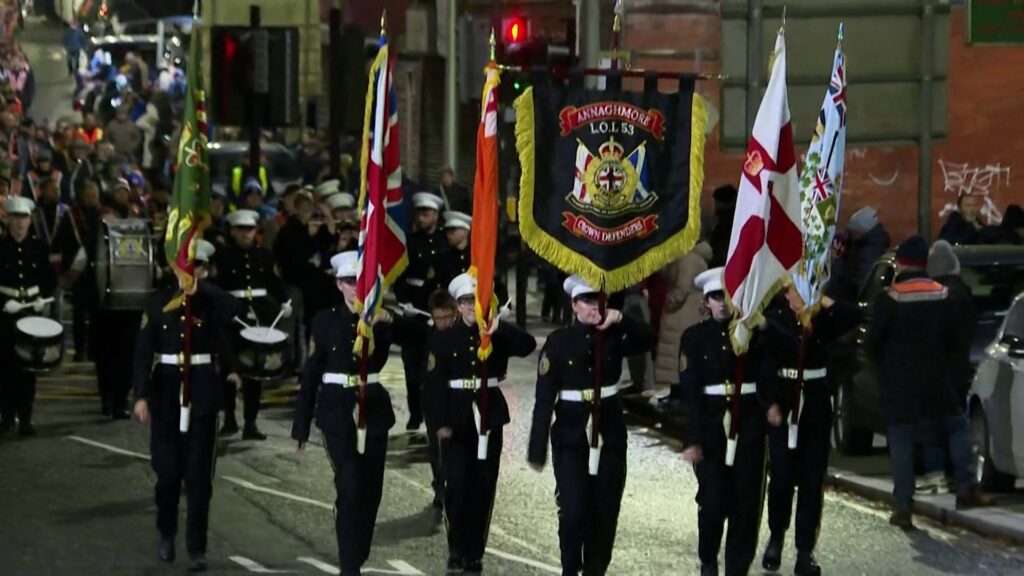
On October 25, 2026, an estimated 7,000 to 10,000 members and supporters of the Orange Order assembled in Portadown, marching along the traditional route that leads past the Catholic Garvaghy Road. The procession began at the historic Portadown Town Hall and moved past the historic Drumcree Church, a focal point for the Order’s celebrations. Police reported the march remained largely peaceful, with only a handful of minor arrests for disorderly conduct.
Organisers framed the march as a peaceful demonstration of “cultural identity” and a warning that any judicial decision curtailing the parade would be met with “firm resolve.” The event was livestreamed on social media, drawing thousands of views from diaspora communities in the United Kingdom, the United States, and Australia, many of whom have family ties to the region.
Why It Matters: Legal, Political and Social Stakes
The pending court ruling could reshape how sectarian parades are regulated across the province. A judgment that favours the Orange Order may embolden other loyalist groups to challenge the Parades Commission, potentially leading to a resurgence of large‑scale street demonstrations. Conversely, a decision that upholds the Commission’s restrictions could be hailed by nationalist parties as a step toward normalising community relations, but it may also fuel feelings of disenfranchisement among loyalists who see it as an erosion of their cultural rights.
Beyond the immediate legal implications, the case sits at the intersection of post‑Brexit identity politics. The United Kingdom’s departure from the EU intensified debates over the Northern Ireland Protocol, and many unionist communities view any perceived concession on cultural matters as a threat to their British identity. The march, therefore, is not just about a parade route; it is a barometer of how deeply unresolved historical grievances still influence contemporary politics.
Reactions Across the UK and Ireland
Unionist politicians, including members of the Democratic Unionist Party (DUP), welcomed the demonstration, describing it as “a lawful expression of heritage” and urging the courts to respect the Order’s rights. In contrast, Sinn Féin leaders called the march “provocative” and warned that any court decision that weakens the Parades Commission could reignite community tensions that have been largely contained since the 1998 peace accord.
The British government, through the Northern Ireland Office, issued a measured statement urging “all parties to respect the rule of law and to avoid actions that could inflame sectarian sensitivities.” Meanwhile, the Irish government’s Department of Foreign Affairs expressed concern that a ruling favouring the Orange Order could undermine the cross‑border cooperation established under the Good Friday Agreement.
What Comes Next: Possible Scenarios and Their Impact
If the High Court rules in favour of the Orange Order, the Parades Commission may be forced to revisit its guidelines, potentially leading to a series of appeals and a backlog of similar cases. Legal scholars suggest that such a precedent could prompt the UK Supreme Court to intervene, turning a regional dispute into a national constitutional debate. Communities on the ground would likely see a surge in mobilisation, with both loyalist and nationalist groups preparing for possible street confrontations.
Should the court uphold the Commission’s restrictions, the Order could appeal further, but the immediate effect would be a reaffirmation of the current parade‑management framework. This outcome might encourage community‑building initiatives, such as joint youth programmes and cross‑community dialogues, that have been gaining traction in recent years. For investors and businesses operating in Northern Ireland, stability in Portadown is a key factor; a clear legal outcome—either way—will help firms assess risk and plan long‑term strategies.
Quick Answers
What is the Orange Order?
The Orange Order is a Protestant fraternal organization founded in 1795 that commemorates the 1689 Battle of the Boyne with annual parades across Northern Ireland.
Why are thousands marching in Portadown in October 2026?
They are demonstrating ahead of a High Court ruling on a legal challenge to the Parades Commission’s restrictions on the Orange Order’s traditional July 12th march route.
What court ruling are they waiting for?
The Belfast High Court is set to decide whether the Parades Commission’s limits on the Orange Order’s Portadown parade violate the group’s rights to freedom of assembly and expression.
Source: www.aljazeera.com




💬 Comments 0