Meta teen filter ban 2026 settlement: What it means for African teens and creators
Background: The settlement that put a lid on teen beauty filters
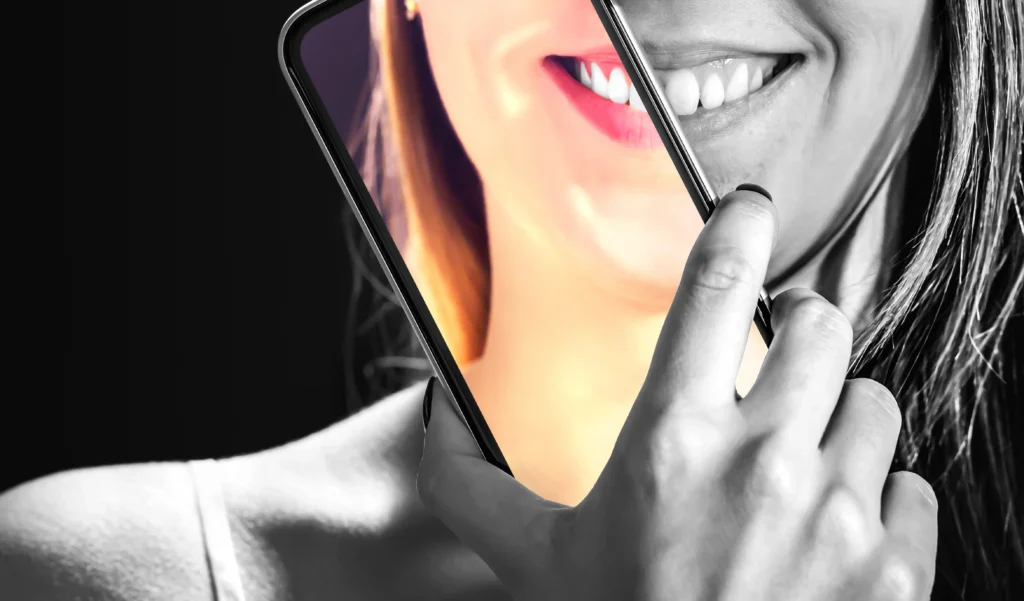
In October 2026, Meta reached a $1.2 billion settlement with U.S. states over accusations that its platforms promoted unrealistic body images to minors. A key provision of the deal prohibits the use of “cosmetic procedure filters” – digital overlays that mimic surgeries such as lip‑fills, rhinoplasties or cheek augmentations – on users under 18. The clause is one of the first attempts to regulate the aesthetic impact of augmented‑reality (AR) tools on a specific age group, and it will be enforced across Instagram, Facebook and the newly rebranded Meta platforms.
The ban applies to any filter that makes a user appear to have undergone a medical‑grade cosmetic change. Meta has pledged to remove existing teen‑targeted filters that meet this definition within 30 days and to block new submissions that replicate the prohibited effect. While the settlement does not ban all beauty filters, it draws a clear line between harmless makeup overlays and those that simulate surgical alteration.
The agreement emerged after a series of lawsuits alleging that Meta’s algorithms amplified content featuring extreme make‑over trends, leading to increased body‑image anxiety among teenagers. State attorneys general argued that the platform’s profit‑driven recommendation engine prioritized sensational visual content at the expense of young users’ mental health.
Defining “cosmetic procedure filters”: A technical and cultural puzzle
At first glance, the term sounds straightforward, but developers and regulators quickly discovered gray zones. A filter that adds a subtle contour might be seen as makeup, whereas one that elongates the nose to the point of looking surgical sits in a murky middle. Meta’s internal guidelines describe prohibited filters as those that “significantly alter facial anatomy to resemble a post‑operative appearance,” yet the lack of precise metrics leaves room for interpretation.
Cultural differences further complicate enforcement. In many African societies, traditional facial adornments – such as scarification, tribal markings or beadwork – are celebrated expressions of identity. Some AR creators argue that filters echo these practices, blurring the line between cultural homage and cosmetic simulation. According to a spokesperson for the African Digital Creators Association, “We need a definition that respects heritage while protecting teens from harmful beauty standards.”
Technical enforcement will rely on Meta’s AI‑driven content‑moderation tools, which scan newly uploaded filters for facial‑geometry changes. Critics warn that automated systems can misclassify artistic filters, potentially stifling innovation. A senior engineer at a Lagos‑based AR startup told Reuters that “the algorithm may flag a filter that adds a decorative nose ring, even though it’s not a surgical mimic.”
Why the ban matters for African youth and the continent’s digital economy
Africa’s teen population is one of the fastest‑growing online demographics, with 2025 estimates showing that 45 % of internet users on the continent are under 25. Platforms like Instagram and TikTok are central to self‑expression, fashion trends, and even informal entrepreneurship. By restricting extreme makeover filters, Meta is indirectly shaping the aesthetic standards that African teens are exposed to, potentially curbing the pressure to conform to Western beauty ideals.
The ban could also influence local tech ecosystems. Nairobi, Lagos and Johannesburg have blossoming AR‑filter markets, where young developers earn income by selling custom effects to influencers. If Meta’s moderation tools become over‑cautious, creators may see a drop in revenue from filter sales, prompting a shift toward safer, culturally rooted designs. This could accelerate a broader movement toward “Afro‑centric” digital aesthetics, a trend already visible in the rise of Afro‑futurist visual content.
From a mental‑health perspective, the removal of surgical‑style filters may lessen exposure to unattainable body standards that contribute to eating disorders and low self‑esteem. A 2024 study by the University of Cape Town linked frequent use of cosmetic‑procedure filters with higher rates of body‑dissatisfaction among South African teens. While causality is hard to prove, the settlement’s intent aligns with growing calls for platforms to take responsibility for the psychological impact of their tools.
Reactions across the continent: Regulators, creators, and brands weigh in
African regulators have generally welcomed the move, seeing it as a precedent for future digital‑safety legislation. South Africa’s Department of Communications announced plans to draft a “Youth Digital Well‑being Act” that would echo Meta’s filter restrictions and add penalties for local platforms that ignore them. Ghana’s Ministry of Information, meanwhile, is consulting with schools to incorporate media‑literacy modules that specifically address AR filters.
Creators, however, are split. Influencers with millions of followers argue that the ban curtails their creative freedom and could affect engagement rates. Nigerian beauty vlogger Adaeze Okonkwo told The Guardian that “my audience loves transformation videos; losing that tool feels like losing a part of my brand.” Conversely, a collective of Ghanaian digital artists, the Afro‑Filter Guild, sees an opportunity to lead the market with filters that celebrate African facial features and traditional adornments, positioning themselves as ethical alternatives.
Brands that rely on influencer marketing are also recalibrating. Cosmetic companies that previously partnered with creators to showcase “virtual makeovers” must now ensure that any AR effect stays within the new guidelines. A spokesperson for a South African skincare brand said they are “working closely with Meta’s compliance team to develop filters that highlight skin health without implying surgical alteration.”
What’s next: Enforcement, market adaptation and the broader regulatory wave
Meta has set a compliance deadline of 15 November 2026 for the removal of prohibited teen filters. The company says it will use a combination of AI detection and human review teams stationed in its new “Global Safety Hubs,” including a hub in Nairobi that will focus on African‑language content. Enforcement will be monitored by the U.S. Federal Trade Commission, but local regulators can also raise concerns if they spot non‑compliant filters circulating in regional markets.
For African developers, the immediate task is to audit existing libraries and flag any effects that could be interpreted as surgical. Several startups have already begun offering “filter audit services,” charging a modest fee to certify that a creator’s catalogue complies with Meta’s standards. This new niche could become a steady revenue stream, especially as other platforms – such as ByteDance’s TikTok – are expected to adopt similar policies following Meta’s lead.
Looking ahead, the teen filter ban is likely just the first wave of content‑specific regulation. Europe’s Digital Services Act already mandates transparency around algorithmic recommendations, and African Union member states are discussing a continent‑wide “Digital Youth Protection Framework.” If those proposals pass, we may see a coordinated set of rules that govern not only AR filters but also deep‑fake videos, AI‑generated avatars and other immersive media. African policymakers, creators and brands would then need to navigate a complex, multi‑jurisdictional landscape, making early adaptation a competitive advantage.
Quick Answers
What does the Meta teen filter ban prohibit?
It bans any AR filter that makes a user look like they have had a cosmetic surgery, such as lip‑fills or nose reshaping, when used by people under 18.
When will the filter ban take effect?
Meta must remove prohibited teen filters by 15 November 2026 and block new ones from that date onward.
How could the ban affect African teen users?
By limiting exposure to extreme makeover filters, the ban may reduce pressure to meet unrealistic beauty standards and spur growth of culturally rooted AR effects.
Source: www.npr.org




💬 Comments 0