Abdulrahman Alfozan arrest by FBI raises US‑Saudi AI tensions, impacts on African tech ties in 2026
Saudi AI ambition and OpenAI partnership
Since 2022, Saudi Arabia has poured billions of riyals into building a home‑grown artificial‑intelligence ecosystem, branding the sector as a pillar of its Vision 2030 diversification plan. The kingdom’s flagship venture, the Saudi AI Fund, has backed dozens of startups and signed strategic research agreements with global players, most notably OpenAI, whose language models are being piloted in Saudi government services and private enterprises.
OpenAI’s collaboration with Saudi entities has been framed as a two‑way street: the U.S. firm gains access to massive data streams from the Gulf, while Saudi researchers receive training on cutting‑edge models. Abdulrahman Alfozan, a Saudi national with a computer‑science doctorate from King Abdullah University of Science and Technology, was recruited in early 2025 to act as a liaison engineer, overseeing the integration of GPT‑4‑Turbo into Saudi public‑sector platforms.
The arrest: FBI raid, odd details and legal basis
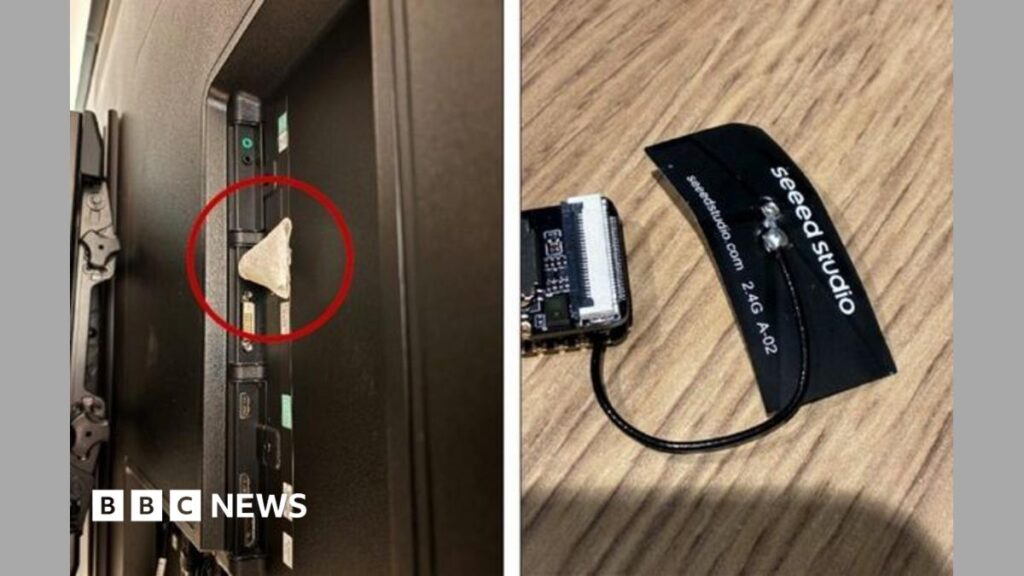
On 9 October 2026, federal agents entered Alfozan’s modest apartment in San Francisco, handcuffed him, and escorted him to an undisclosed detention centre. According to court filings, the FBI cited violations of the Export Administration Regulations (EAR) for allegedly sharing restricted AI code with a third party outside the United States without a license. The indictment also mentions “unauthorized recording devices” found in his home, a reference to a small audio recorder discovered hidden inside a roll of toilet paper, a detail reported by The Washington Post.
Alfozan’s legal team, led by civil‑rights attorney Maya Patel, argues that the evidence is circumstantial and that the recording device was a personal habit, not a spy tool. The defense also claims the EAR violation charge is a pretext, pointing to an internal OpenAI memo that warned senior management about “potential geopolitical fallout” from the Saudi partnership. The case is still in its early stages, and a preliminary hearing is scheduled for late November.
Why the case matters for US‑Saudi tech relations
The arrest arrives at a time when Washington is tightening export controls on advanced AI models, fearing their misuse by authoritarian regimes. A senior State Department official, speaking on condition of anonymity, said the FBI’s action signals a “new enforcement posture” that could reverberate across all US‑Saudi tech collaborations.
For Saudi Arabia, the incident threatens the credibility of its talent‑attraction campaign. The kingdom has been courting diaspora engineers with lucrative packages, hoping to offset a brain drain that saw many of its brightest graduates move to Europe and North America after the 2023 “Great Migration” of AI talent. If the United States is perceived as a hostile environment for Saudi engineers, the flow of expertise could reverse, slowing the kingdom’s AI rollout schedule.
The African angle: talent pipelines and investment flows
African AI ecosystems, particularly in Nigeria, Kenya and South Africa, have been watching the Saudi‑OpenAI tie‑up as a potential source of funding and mentorship. In 2024, Saudi sovereign wealth fund PIF pledged $250 million to a pan‑African AI incubator based in Nairobi, promising access to OpenAI’s APIs for participating startups. The arrest raises the question of whether future Saudi capital will be hampered by heightened US scrutiny.
Moreover, the case highlights a broader competition for AI talent between the Gulf, the West, and emerging African hubs. If Saudi firms become more cautious about hiring engineers who have spent time in the United States, they may turn to African talent pools that are less entangled in US export‑control regimes. Already, several Nigerian AI founders have reported increased outreach from Saudi venture arms, a trend that could accelerate if the Gulf seeks to diversify its recruitment channels.
Reactions from governments, industry and civil‑society groups
The Saudi Ministry of Communications and Information Technology issued a brief statement calling the arrest “unwarranted” and urging the US to respect due process. Human‑rights NGOs, including Amnesty International, have labeled the case a “potential misuse of export‑control law to intimidate a foreign national” and called for transparent proceedings.
In Silicon Valley, OpenAI’s chief scientist, Dr. Lina Cheng, said the company is “cooperating fully with authorities while reviewing internal compliance protocols.” Industry analysts at Gartner warned that the incident could trigger a wave of caution among AI firms that partner with governments in geopolitically sensitive regions, potentially slowing joint‑research projects worldwide.
What’s next: legal outcomes and policy implications
If Alfozan is convicted, the precedent could tighten the legal leash on any engineer working on advanced models for foreign clients, especially those from countries flagged by the US as strategic competitors. Legal scholars predict that the case may prompt Congress to amend the EAR to explicitly cover generative‑AI code, a move that would make compliance more burdensome for multinational research teams.
For African stakeholders, the next few months will be critical. Venture capitalists monitoring Saudi investment are likely to reassess risk exposure, while African AI startups may need to diversify their partnership portfolios to avoid over‑reliance on Gulf funding. At the same time, the incident could spark a policy dialogue within the African Union on establishing a continental framework for AI export controls that balances security with innovation.
Quick Answers
Who is Abdulrahman Alfozan?
Abdulrahman Alfozan is a Saudi engineer who worked for OpenAI as a liaison on Saudi‑U.S. AI projects and was arrested by the FBI in October 2026 on export‑control charges.
Why was Alfozan arrested?
U.S. authorities allege he violated Export Administration Regulations by sharing restricted AI code abroad and possessed an undisclosed recording device, though his lawyers dispute the claims.
How could this arrest affect AI collaborations in Africa?
The case may make Saudi investors more cautious about partnering with US‑based AI firms, prompting them to look toward African talent and funding, while also raising concerns about tighter export controls that could limit access to advanced models for African startups.
Source: www.bbc.co.uk




💬 Comments 0