Algeria introduces death penalty for arsonists after 2026 wildfires kill over 200 people
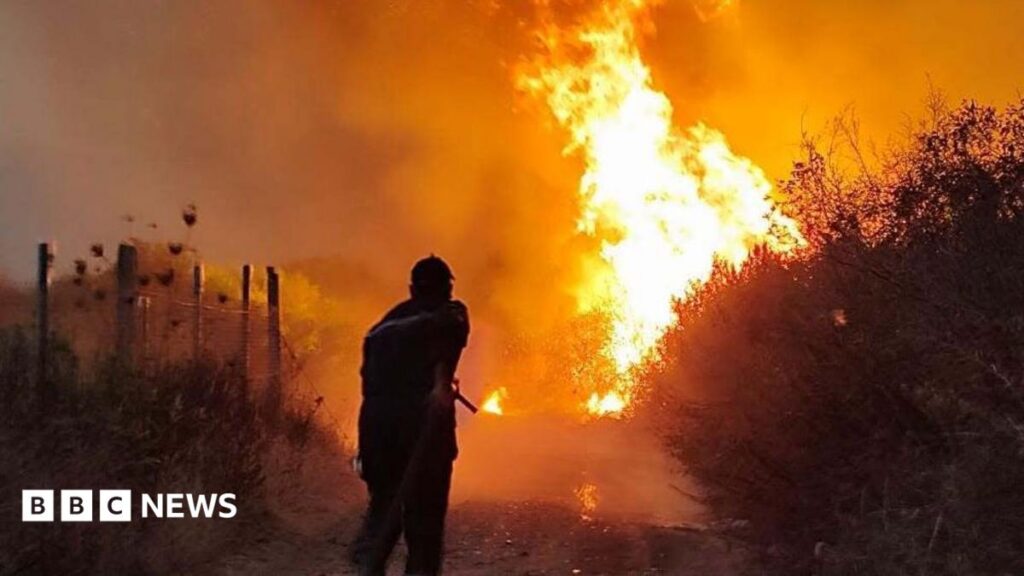
A summer of devastation in the Kabylie region
From July through September 2026, the mountainous Kabylie area in north‑east Algeria was ravaged by a series of uncontrolled fires that claimed more than 200 lives, according to official tallies released by the Ministry of Interior. The blaze swept through densely populated villages, razing homes, schools and small businesses, and left thousands without shelter or basic services.
Local authorities struggled to contain the infernos, citing a combination of extreme heat, low humidity and strong winds that turned ordinary campfires into fast‑moving infernos. Many residents reported that the fire‑fighting capacity of the region was stretched beyond its limits, with outdated equipment and a shortage of trained personnel hampering response efforts.
The human cost was compounded by the loss of cultural heritage sites and agricultural lands that support the livelihoods of many Algerians. The tragedy sparked a wave of public mourning, with vigils held in cities from Algiers to Constantine, and a chorus of calls for accountability and better disaster preparedness.
Algeria’s unprecedented death‑penalty law for arson
In response to the calamity, President Abdelmadjid Tebboune signed a decree on 30 September 2026 that makes intentional arson that leads to death punishable by death. The legislation, which passed through the People’s National Assembly with a majority vote, defines “aggravated arson” as any act of setting fire that results in loss of life or severe environmental damage.
The law also expands the definition of “public endangerment” to include negligence that contributes to large‑scale fires, allowing prosecutors to seek capital punishment even when intent is not proven, provided the outcome is fatal. Legal scholars warn that the wording could be interpreted broadly, potentially criminalising accidental actions such as careless campfires.
Supporters of the decree argue that the harsh penalty will act as a deterrent and signal the state’s resolve to protect citizens. Critics, however, contend that the measure sidesteps the root causes of the disaster—climate change, inadequate forest management and under‑funded emergency services.
Regional climate pressures and fire‑management challenges
Algeria is not alone in confronting a surge of wildfires linked to a warming climate. Neighboring Morocco and Tunisia reported record‑breaking fire seasons in 2025 and 2026, with similar fatalities in remote mountain zones. The Mediterranean basin is experiencing longer, hotter summers and erratic rainfall patterns that dry out vegetation, creating tinderbox conditions.
Experts from the African Centre for Climate Adaptation note that many North African states have historically under‑invested in modern fire‑monitoring technologies such as satellite‑based early‑warning systems. The lack of cross‑border cooperation on fire suppression further hampers rapid response, especially in rugged terrains where local fire brigades are few and far between.
In Algeria, the Ministry of Water Resources has announced a parallel programme to re‑forest fire‑prone areas with drought‑resistant species, but implementation will take years. Meanwhile, the new death‑penalty law is being rolled out immediately, creating a stark contrast between long‑term ecological strategies and short‑term punitive actions.
Legal, human‑rights and societal implications
International human‑rights organisations, including Amnesty International, have expressed alarm over the re‑introduction of capital punishment for a non‑violent crime. They argue that the death penalty violates Algeria’s obligations under the International Covenant on Civil and Political Rights, to which the country is a signatory, especially when the crime can be difficult to prove beyond reasonable doubt.
Legal analysts warn that the law may overburden the judiciary, which must now assess intent, causality and proportionality in fire‑related cases. The Algerian Bar Association has called for a moratorium on executions until clear procedural safeguards are established, citing the risk of wrongful convictions in a context where forensic evidence is often scarce.
Public opinion appears divided. A poll conducted by the Algerian Institute of Public Opinion in early October showed that 58 % of respondents support the death penalty for arsonists, citing fear of repeat tragedies, while 27 % oppose it on moral grounds. Younger urban voters are more likely to favour restorative justice measures, such as community service or compensation funds.
Why the decree matters for Africa and the diaspora
The Algerian decision reverberates across the continent because it highlights a growing trend of governments turning to punitive legislation in the face of climate‑induced disasters. Countries in the Sahel and Horn of Africa are also grappling with how to balance security, environmental protection and human rights as extreme weather events become more frequent.
For the Algerian diaspora, especially the estimated 5 million citizens living in France, Canada and the Gulf states, the law raises practical concerns. Many expatriates own property in rural Algeria and may be called upon to assist in rebuilding efforts. The threat of capital punishment could deter diaspora volunteers from participating in on‑the‑ground relief work, fearing legal exposure if any accidental fire occurs.
Remittance flows, which constitute a significant share of Algeria’s foreign exchange earnings, could also feel indirect pressure. If the law fuels social unrest or prompts protests in the diaspora’s host countries, it may affect the stability of the channels through which money is sent home. Moreover, the international media spotlight on Algeria’s punitive approach may influence foreign investors’ perception of regulatory risk in the broader North African market.
What comes next: enforcement, alternatives and regional dialogue
The decree stipulates that it will take effect on 1 January 2027, giving law‑enforcement agencies a short window to train officers and establish forensic protocols. The Ministry of Interior has announced the formation of a specialised “Fire Crime Unit” tasked with investigating arson cases and coordinating with the judiciary.
Civil‑society groups are already mobilising to propose alternative measures, such as mandatory fire‑safety education in schools, subsidies for fire‑proof building materials, and a national compensation fund for victims of wildfires. These proposals echo successful community‑based fire‑prevention programmes in Kenya’s Mau Forest and Ethiopia’s highlands, where local stewardship reduced fire incidence without resorting to severe penalties.
Regional bodies, including the African Union’s Climate Change and Resilience Initiative, have called for a summit on “Disaster‑Related Criminal Law” to share best practices and avoid a punitive race‑to‑the‑top. If Algeria engages constructively, the country could help shape a continental framework that balances accountability with preventive investment, a balance that many African states are still trying to achieve.
Quick Answers
What punishment does Algeria's new law prescribe for arson that causes death?
The law makes intentional arson leading to fatalities punishable by death, with capital punishment also possible for aggravated negligence that results in loss of life.
When will the death‑penalty decree for arson take effect in Algeria?
The decree is scheduled to become enforceable on 1 January 2027.
How might the new Algerian law affect diaspora Algerians living abroad?
It could discourage diaspora volunteers from participating in fire‑relief work and may raise concerns about legal liability for accidental fires on family property.
Source: www.bbc.co.uk


💬 Comments 0