Four dead in fire at Canadian Forces Base Edmonton, impact on troops and African-Canadian community
Background: Canada’s military footprint and African-Canadian ties
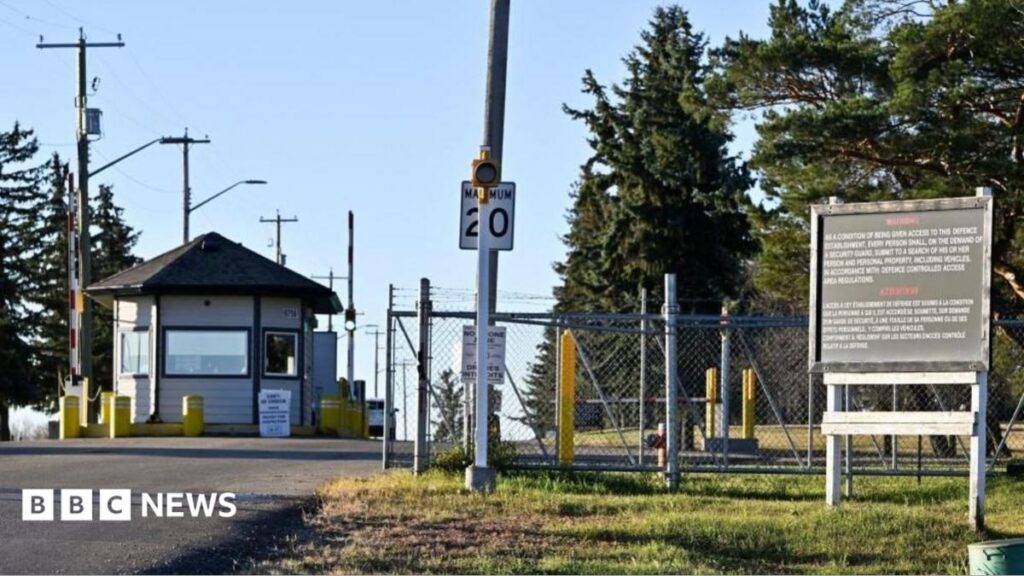
Canadian Forces Base Edmonton, one of the nation’s largest training installations, houses several thousand regular and reserve personnel. The base supports domestic operations, NATO commitments and, crucially, Canada’s long‑standing contributions to UN peacekeeping missions across Africa, from the Sahel to the Great Lakes region. Over the past decade, an increasing number of Black Canadians have enlisted, many drawn by the promise of international deployments that let them serve both Canada and their ancestral homelands. According to Statistics Canada, people of African descent made up roughly 5 % of the Canadian Armed Forces in 2024, a figure that has been rising steadily as recruitment drives target diverse communities.
The base’s infrastructure, built largely in the 1970s, has been under incremental upgrades, but budget constraints have left several older warehouses and fuel depots vulnerable to fire hazards. Safety audits conducted in 2022 flagged inadequate fire‑suppression systems in some storage buildings, yet remediation was delayed pending a federal review of defence spending. This context helps explain why a single blaze could quickly engulf a large section of the installation, turning a routine training exercise into a tragic incident.
What happened: The fire and its immediate toll
On the night of 17 October 2026, a blaze ignited in a fuel‑storage warehouse on the eastern perimeter of CFB Edmonton. Witnesses reported hearing a loud explosion before thick black smoke rose above the training fields. Firefighters from the base and the neighbouring municipal fire department battled the inferno for more than six hours, but the fire spread to adjacent ammunition lockers and a dormitory block. By the early hours of 18 October, officials confirmed four fatalities – two active‑duty soldiers, a civilian contractor, and a reservist – and dozens of injuries ranging from minor burns to severe smoke‑inhalation trauma.
The Department of National Defence released an initial statement saying the cause was “under investigation,” while a preliminary report from the Royal Canadian Mounted Police indicated that a malfunctioning fuel pump may have sparked the initial flame. The investigation, expected to take several months, will examine compliance with safety protocols, the condition of fire‑suppression equipment, and whether budgetary delays contributed to the tragedy.
Why it matters: Operational readiness and African‑focused missions
Beyond the human cost, the fire raises serious questions about Canada’s ability to sustain its overseas commitments, especially in Africa where Canadian troops are often part of multinational peacekeeping contingents. Training facilities at Edmonton are used to rehearse desert‑navigation, convoy protection and medical evacuation drills that directly feed into deployments to Mali, Sudan and the Democratic Republic of Congo. A prolonged shutdown of the affected training area could delay the certification of new units, potentially leaving Canada short‑handed for upcoming UN mandates scheduled for early 2027.
For the African‑Canadian community, the incident hits close to home. Many families have members serving at Edmonton, and the loss reverberates through community organisations that have long advocated for greater representation and support within the forces. If the fire is linked to under‑investment, it may reignite debates about whether Canada is adequately funding a military that prides itself on diversity and global responsibility, especially in regions where Black Canadian soldiers frequently serve.
Reactions: From the defence establishment to diaspora voices
Prime Minister Justin Trudeau expressed “deep sorrow” and promised a full parliamentary inquiry, emphasizing that “the safety of our service members is non‑negotiable.” Defence Minister Anita Anand pledged $15 million for immediate infrastructure upgrades at all major bases, a figure that critics say falls short of the estimated $200 million needed for comprehensive fire‑prevention retrofits. Military unions have called for an independent review, warning that “cutbacks on maintenance have real‑world consequences for our men and women in uniform.”
African‑Canadian advocacy groups, such as the Black Canadian Military Association, issued statements demanding transparent communication and culturally sensitive support for the families of the deceased. In a press conference in Toronto, the group’s president, Lieutenant‑Colonel Samuel Mensah, highlighted that “our community has historically shouldered the burden of peacekeeping in Africa; we deserve assurances that the government will protect those who serve on our behalf.” Social media threads also saw an outpouring of solidarity, with many users sharing stories of relatives who have served in African missions.
What’s next: Investigation, reforms and the broader security picture
The RCMP’s fire‑origin investigation will be complemented by an internal Defence audit, scheduled to report to Parliament by mid‑2027. Expected recommendations include mandatory installation of modern sprinkler systems, stricter oversight of contractor safety practices, and a revised budget line for base‑level infrastructure. Analysts at the Canadian International Institute of Strategic Studies argue that without swift action, Canada risks eroding its credibility in African peacekeeping circles, where partner nations monitor not only troop numbers but also the logistical robustness of contributing forces.
In the longer term, the tragedy could accelerate conversations about diversifying Canada’s defence procurement, potentially opening doors for African‑based defence firms that specialize in fire‑safety technologies. Such a shift would align with Canada’s broader “Africa‑Canada Strategic Partnership” announced in 2025, which seeks to deepen trade, security cooperation and technology transfer across the continent. For African‑Canadian soldiers and their families, the fire may become a catalyst for stronger advocacy, ensuring that the sacrifices made on Canadian soil translate into better protection and more meaningful engagement abroad.
Quick Answers
How many people died in the fire at CFB Edmonton?
Four people – two active‑duty soldiers, one civilian contractor and one reservist – were confirmed dead.
Will the fire affect Canada’s peacekeeping missions in Africa?
Yes, the base’s training facilities are used for African‑theatre drills, so a prolonged shutdown could delay troop readiness for upcoming UN missions.
What steps is the Canadian government taking after the fire?
Prime Minister Trudeau announced a parliamentary inquiry and Defence Minister Anand pledged $15 million for immediate safety upgrades at major bases.
Source: www.bbc.co.uk



💬 Comments 0