Trump suspends Russia sanctions in 2026 to aid peace talks – impact on African food, energy and diplomacy
Background: US sanctions on Russia and the timing
Since the invasion of Ukraine in 2022, the United States has layered sanctions on Moscow, targeting its banking system, oil exports and technology imports. By 2026, the sanctions regime had become a cornerstone of Western pressure, with new measures scheduled to take effect every few months to tighten the economic squeeze.
The latest round, due to start on October 21, 2026, would have frozen additional Russian assets, restricted shipments of advanced drilling equipment and expanded the ban on luxury goods. The timing was deliberately chosen to coincide with the United Nations General Assembly, where the issue of the Ukraine conflict was set to dominate discussions.
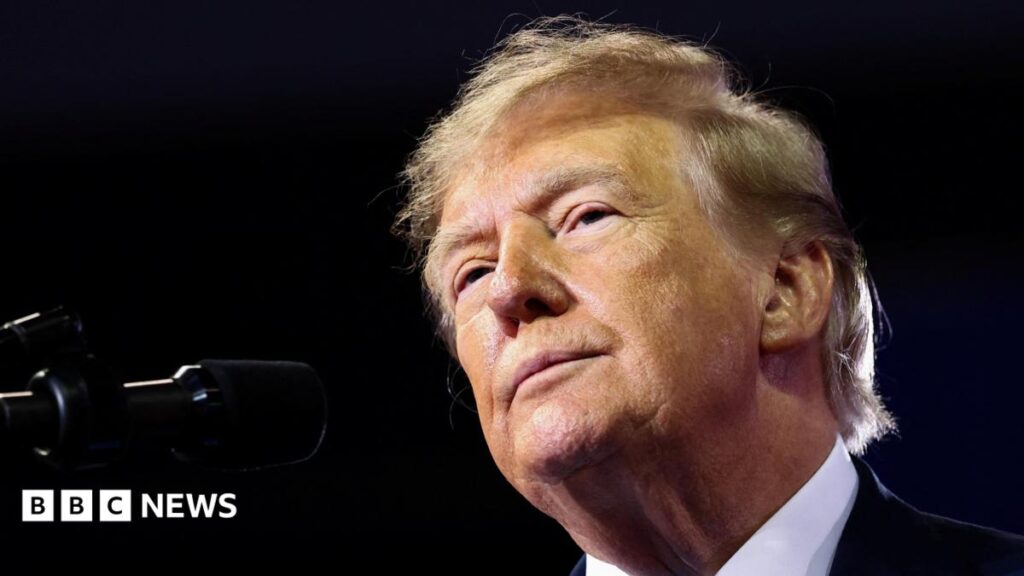
Against this backdrop, President Donald Trump announced a sudden reversal two days before the sanctions were to be implemented, citing the need to keep “peace negotiations alive”. The move was unexpected, breaking a pattern of incremental sanction escalations that had been largely bipartisan in Congress.
Trump’s decision and the peace‑talks narrative
In a televised address, Trump argued that the suspension would signal goodwill to Moscow and create a diplomatic opening for a negotiated settlement. He referenced back‑channel talks that, according to unnamed officials, were already underway in Geneva and hinted that a “mutual pause” could accelerate a ceasefire.
Critics, including several members of the Senate Foreign Relations Committee, called the claim “premature” and warned that Russia could interpret the pause as a green light to continue its military operations. Diplomatic sources told reporters that Kyiv remains skeptical, fearing that the United States is using sanctions as a bargaining chip rather than a deterrent.
The decision also sparked a split within the U.S. administration. While the State Department’s European desk reportedly supported the move as a pragmatic lever, the Treasury Department warned that the abrupt halt could undermine the credibility of the entire sanctions architecture, which relies on predictability to force compliance.
What the pause means for African economies and food security
African nations have become inadvertent beneficiaries of Russia’s grain and fertilizer exports, especially after Western bans limited the flow of these commodities to Europe. Countries such as Egypt, Nigeria, Kenya and Ethiopia import a sizable share of their wheat and fertilizer from Russian sources, often at lower prices than alternatives from the United States or Brazil.
A suspension of sanctions could keep Russian wheat shipments flowing, easing the pressure on bread prices that have surged in several African capitals since 2022. According to the International Food Policy Research Institute, a 10 % rise in wheat prices can push an additional 2 million Africans into food insecurity, making the continuation of Russian exports a matter of immediate concern for policymakers in the Sahel and the Horn of Africa.
Conversely, the same Russian fertilizer that feeds African farms is also linked to environmental concerns. The United Nations Food and Agriculture Organization has warned that over‑reliance on nitrogen‑rich fertilizers from Russia can degrade soil health. The pause therefore presents a double‑edged sword: short‑term price stability versus long‑term sustainability challenges.
Geopolitical ripple effects across the continent
Russia has deepened its ties with several African states over the past decade, offering military training, mining contracts and political support to regimes in Sudan, the Central African Republic and Mali. The sanctions suspension may be read by these governments as a signal that Washington is willing to temper pressure on Moscow, potentially emboldening them to deepen cooperation.
In Nigeria, the largest economy in Africa, the oil sector watches the development closely. Russian oil companies have been eyeing joint ventures in the Niger Delta, and a softer U.S. stance could open space for Russian investment that competes with Western majors. Industry analysts caution that such a shift could complicate Nigeria’s own balancing act between attracting foreign capital and maintaining strategic alignment with the United States.
The African diaspora in the United States, many of whom have family ties to the continent’s agricultural sector, have voiced mixed reactions on social media. Some diaspora groups argue that any move that keeps food prices low is welcome, while others fear that the suspension legitimises a regime that has been accused of war crimes, potentially harming the moral standing of African‑American solidarity movements.
Looking ahead: possible scenarios and diplomatic pathways
If the suspension proves temporary, the United States could use it as leverage to extract concrete concessions from Moscow, such as a freeze on artillery shipments to separatist regions in eastern Ukraine. However, experts warn that without a clear timetable, the pause risks becoming a de‑facto rollback, weakening the sanctions regime’s deterrent effect.
African leaders are likely to press both Washington and Moscow for guarantees that food and fertilizer supplies remain uninterrupted regardless of geopolitical tussles. The African Union’s recent summit in Addis Ababa included a resolution urging major powers to “shield essential commodities from politicisation”, a statement that may gain traction if the sanctions debate continues to dominate headlines.
In the longer term, the episode underscores the need for Africa to diversify its supply chains. Initiatives such as the African Continental Free Trade Area (AfCFTA) and regional grain storage projects could reduce reliance on any single external source, mitigating the impact of future sanctions or diplomatic swings.
Quick Answers
Why did President Trump suspend Russia sanctions in October 2026?
He said the pause was intended to create goodwill for peace negotiations with Moscow, hoping a mutual halt would speed up a ceasefire in Ukraine.
How does the sanctions suspension affect African food prices?
Keeping Russian wheat and fertilizer flowing can stabilise bread and crop costs in many African countries that depend on those imports, preventing sharp price spikes.
What could be the next step for U.S. policy on Russian sanctions?
Analysts expect Washington to set a clear deadline for the pause and tie any resumption to specific concessions from Russia, while African states push for safeguards on essential commodities.
Source: www.bbc.co.uk




💬 Comments 0