Algerian boy Ayoub dies after four days trapped in Tizi Ouzou well, sparking safety debate
The tragedy in Tizi Ouzou province
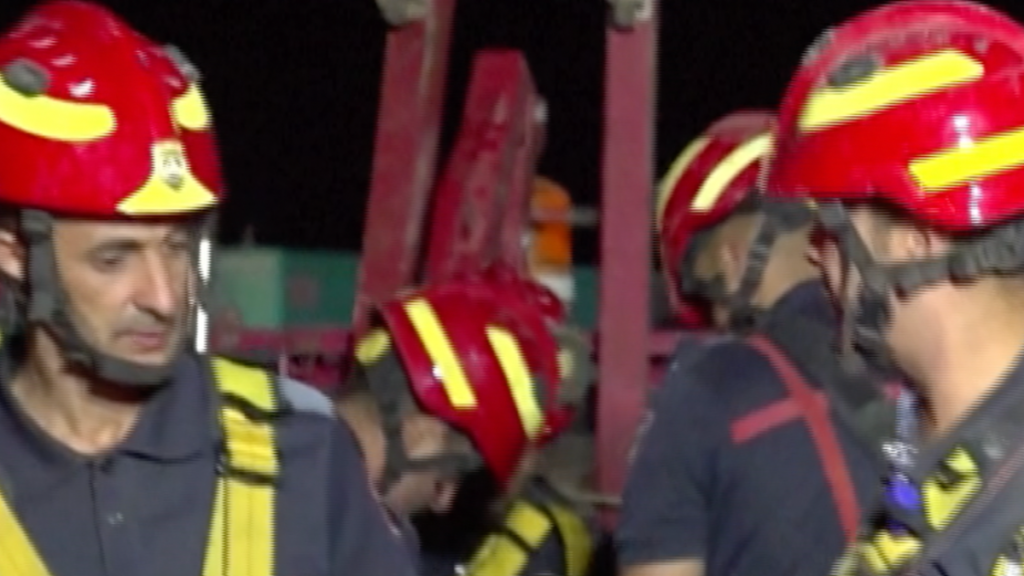
On September 2, 2026, rescuers in the Kabylie region of northern Algeria recovered the body of 10‑year‑old Ayoub, who had been stuck in an abandoned well for four days. The well, located on a rural farm outside the town of Azazga, was not marked and had been filled in years earlier, according to local officials. Neighbours heard Ayoub’s cries on the first night but could not reach him because the well’s narrow opening was blocked by debris, forcing the rescue team to drill a new shaft before they could finally extract the boy’s body.
The incident quickly spread across Algerian social media, prompting an outpouring of grief and anger. Families of other children who have suffered similar accidents shared their stories, while the Ministry of Interior announced an immediate investigation into the safety of unused wells in the region. The incident also revived memories of past well‑related fatalities in Algeria, a country where thousands of abandoned shafts still litter the countryside.
Rural water infrastructure and safety gaps
Algeria’s rural landscape is dotted with thousands of old wells, many of which were dug during the post‑independence push for agricultural self‑sufficiency. Over the decades, maintenance has been uneven; a 2023 World Bank report noted that roughly 30 % of Algerian wells lack proper capping or signage, creating hidden hazards for children and livestock. In the Kabylie mountains, where terraced farming is common, families often rely on these wells for irrigation, making them an integral yet risky part of daily life.
The lack of a centralized registry for abandoned wells has hampered prevention efforts. According to the Ministry of Water Resources, a pilot mapping project launched in 2024 in the provinces of Tizi Ouzou and Béjaïa identified more than 1,200 uncapped shafts, but funding constraints have delayed nationwide rollout. Without clear records, local authorities depend on community reporting, which can be inconsistent in remote villages where literacy rates are lower and official channels are hard to reach.
Child protection and emergency response challenges
Ayoub’s death underscores the broader issue of child safety in Algeria’s out‑lying areas. The country’s 2022 Child Protection Law mandates that local councils maintain safe play environments, yet enforcement varies widely. NGOs such as Enfants d’Afrique have warned that many villages lack basic safety education programs, leaving children unaware of the dangers posed by open wells, irrigation canals, and abandoned construction sites.
The rescue operation itself highlighted logistical bottlenecks. The nearest professional rescue unit was stationed in the provincial capital, 45 km away, and had to navigate narrow mountain roads before reaching the site. While volunteers from the community attempted a first rescue, they lacked the equipment to safely lower a child into a 1.5‑meter‑deep shaft. This delay, according to a spokesperson for the Algerian Civil Protection Agency, contributed to the tragic outcome.
A pattern across North Africa and sub‑Saharan regions
Algeria is not alone in grappling with well‑related accidents. In Morocco, a 2025 incident claimed the life of a 7‑year‑old girl in a similar manner, prompting the Ministry of Interior to launch a nationwide well‑capping campaign. In Kenya’s Rift Valley, a 2023 study found that unmarked wells were responsible for 12 % of child drowning deaths in rural districts. These parallels suggest a continental trend: rapid urbanisation and agricultural expansion have outpaced safety regulations for legacy water infrastructure.
The common thread is the scarcity of resources allocated to preventive measures. International donors have focused heavily on water access projects, yet the “last‑mile” safety of existing structures often receives less attention. Experts argue that integrating well‑capping into broader water‑security programs could reduce accidental deaths without diverting funds from new water provision.
Implications for policy, the diaspora, and community action
The public outcry following Ayoub’s death is already shaping policy discussions in Algiers. Opposition parties have called for a parliamentary amendment that would require every municipality to audit and seal abandoned wells within six months. If passed, the law could create a new job stream for local contractors, potentially stimulating rural economies while improving safety.
Algerian diaspora communities in France and Canada have also reacted, organising fund‑raising drives to support the families of victims and to sponsor well‑capping projects in their hometowns. Social media groups led by diaspora youth are lobbying both the Algerian government and European NGOs to channel development aid toward preventive infrastructure, arguing that “saving a child is cheaper than mourning one.” These transnational efforts illustrate how a single tragedy can catalyse coordinated action across borders.
Quick Answers
What caused the death of the Algerian boy Ayoub?
Ayoub died after being trapped for four days in an unmarked, abandoned well that lacked proper safety barriers.
How many abandoned wells are estimated to exist in Algeria?
A 2023 World Bank report estimated that about 30 % of Algeria’s wells are uncapped or unmarked, amounting to several thousand across the country.
What steps are being taken to prevent similar accidents?
The Algerian government announced a probe into well safety, and NGOs are urging a nationwide capping campaign, while diaspora groups are raising funds for local sealing projects.
Source: www.aljazeera.com



💬 Comments 0