Seven Ethiopian rebel groups form new alliance, raising stakes for peace talks in 2026
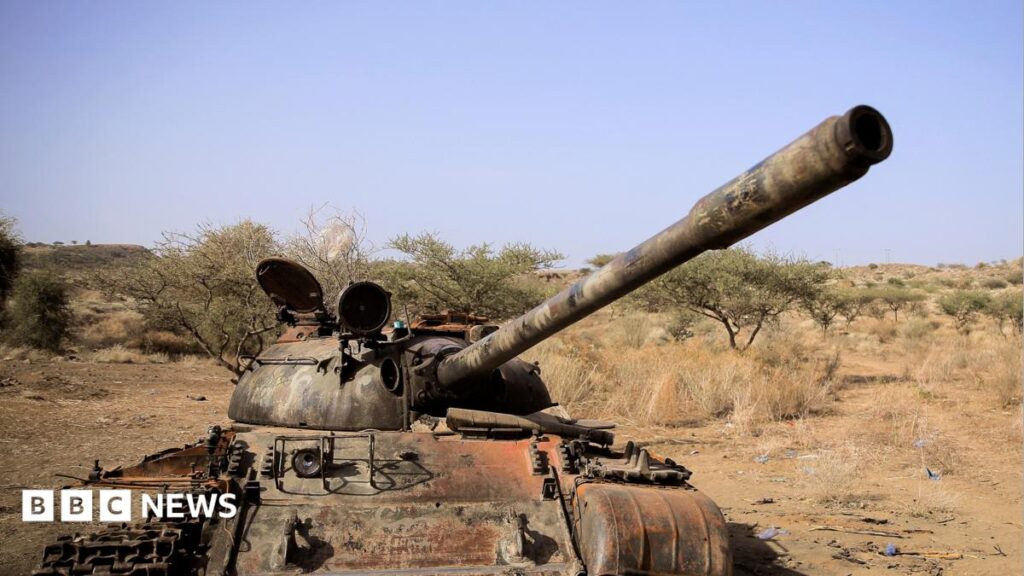
A fragmented conflict that has lingered for a decade
Since the eruption of the Tigray war in 2020, Ethiopia has been a patchwork of armed movements, each rooted in distinct ethnic grievances and regional ambitions. The Oromo Liberation Army, the Benishangul-Gumuz Liberation Front, the Afar Revolutionary Democratic Unity Front, among others, have waged low‑intensity warfare that has strained the country's already fragile political fabric.
These insurgencies have not only claimed tens of thousands of lives but also displaced more than 5 million people across the Horn of Africa, according to UN OCHA figures released last year. The humanitarian fallout has spilled into neighboring Sudan and South Sudan, where refugee camps are at capacity and aid agencies warn of a looming crisis.
The new coalition: who is joining forces and why
On 18 September 2026, representatives of seven rebel groups issued a joint statement announcing the formation of the Ethiopian Unity Front (EUF). The alliance brings together the Oromo Liberation Army (OLA), the Benishangul‑Gumuz Liberation Front (BGLF), the Afar Revolutionary Democratic Unity Front (ARDUF), the Gambela Peoples Liberation Movement (GPLM), the Sidama Liberation Front (SLF), the Somali Democratic Movement (SDM) and the Amhara National Democratic Front (ANDF).
According to the statement, the groups claim a shared goal of “ending the centralised domination of Addis Ababa and securing genuine federal autonomy for all peoples.” Analysts suggest the coalition is a tactical move to amplify bargaining power in any future negotiations, as individual groups have struggled to secure meaningful concessions from the government.
Why the alliance matters for Ethiopia and the wider region
A unified front could shift the balance of power in Ethiopia’s ongoing security dilemma. If the EUF can coordinate attacks, it may force the federal army to spread its forces thinner, potentially opening space for negotiated settlements in contested regions such as Oromia, Amhara and the Somali zone.
Beyond Ethiopia’s borders, the coalition raises alarms for the African Union, which has been mediating peace talks since the 2022 ceasefire. A larger rebel bloc could complicate the AU’s diplomatic calculus, prompting calls for a stronger regional peace‑keeping mandate. Neighboring Sudan, still reeling from its own conflict, fears a spill‑over of fighters and weapons across porous borders.
Reactions from the capital, the diaspora and international actors
Prime Minister Abiy Ahmed’s office dismissed the alliance as “a temporary convenience of armed factions that lack a political vision,” and warned that any escalation would be met with decisive security measures. The statement was echoed by the Ministry of Defense, which pledged to increase troop deployments in the western and southern fronts.
The Ethiopian diaspora, particularly in the United States, Canada and the United Kingdom, has responded with mixed feelings. While some community leaders view the coalition as a potential catalyst for a new peace process, others fear it could reignite ethnic violence and jeopardise the remittances that fund roughly 30 % of Ethiopia’s GDP, according to the World Bank.
What could happen next? Scenarios and possible pathways
Experts outline three plausible trajectories. The most optimistic scenario envisions the EUF entering a mediated dialogue that leads to a revised federal charter, granting greater fiscal and legislative autonomy to the regions. In this case, Ethiopia could see a gradual de‑escalation and a revival of foreign investment, especially in the coffee and textile sectors that have been stagnant since 2022.
A more concerning path involves the coalition launching coordinated offensives on key transport corridors, which would disrupt Ethiopia’s land‑locked trade routes to Djibouti and Port Sudan. Such a disruption could trigger a spike in commodity prices across East Africa, affecting markets from Kenya’s tea industry to Uganda’s coffee exports.
Lastly, a stalemate could emerge, with intermittent clashes and a protracted humanitarian impasse. In that outcome, the African Union may be pressured to deploy a multilateral peace‑keeping force, a move that would mark the first such operation in the Horn of Africa since the 1990s.
Quick Answers
Which rebel groups are part of the Ethiopian Unity Front?
The coalition includes the Oromo Liberation Army, Benishangul‑Gumuz Liberation Front, Afar Revolutionary Democratic Unity Front, Gambela Peoples Liberation Movement, Sidama Liberation Front, Somali Democratic Movement and Amhara National Democratic Front.
When was the new alliance announced?
The Ethiopian Unity Front was publicly announced on 18 September 2026.
How could the alliance affect peace talks in Ethiopia?
By presenting a united negotiating bloc, the alliance could pressure the federal government into granting greater regional autonomy, but it also risks escalating violence if talks break down.
Source: www.bbc.co.uk



💬 Comments 0