UK air traffic control glitch disrupts EasyJet flights, hits African diaspora travel in 2026
Background: the UK’s air traffic system under pressure
The United Kingdom’s air navigation service, operated by NATS, has long been a cornerstone of Europe’s busiest skies. Over the past decade, increasing traffic volumes, tighter slot allocations after Brexit, and a wave of digital upgrades have stretched the network’s capacity. In recent months, the service has faced two high‑profile technical failures that forced the closure of large swathes of the airspace, prompting airlines to cancel or delay hundreds of flights.
Industry analysts point to a combination of aging radar infrastructure, staffing shortfalls, and a rushed rollout of new software as the root causes. According to a report from the Aviation Safety Network, the first glitch in early September caused a 12‑hour shutdown of the London area, while a second outage later that week triggered a cascade of delays across the UK’s regional airports.
What happened: the second glitch and airline reactions
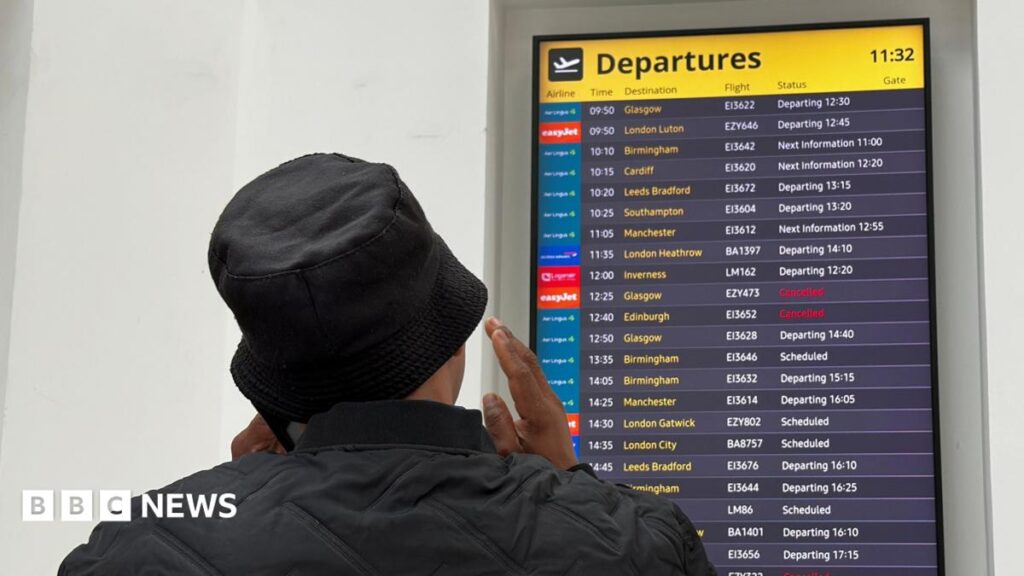
The latest incident, which unfolded on September 19, originated from a malfunction in the central flight‑plan processing unit. NATS announced that the problem forced them to revert to manual control for about 9,000 flights, prompting airlines to ground aircraft as a safety precaution. EasyJet, one of the carriers most affected, released a statement saying the outage “once again calls into question the resilience of the system” and warned passengers of potential further disruptions.
Other airlines, including British Airways and Ryanair, echoed similar concerns, citing lost revenue and the logistical nightmare of re‑booking thousands of passengers. Trade unions representing air traffic controllers have called for an independent inquiry, arguing that the current staffing model leaves little margin for error during peak travel periods.
Why it matters for African travelers and businesses
The United Kingdom is a major gateway for African diaspora communities, especially those from Nigeria, Ghana, and Kenya, who rely on short‑haul flights to London for business, education, and family visits. The disruption forced many travellers to miss critical appointments, including visa interviews and trade‑mission meetings. According to a poll by the Nigerian Diaspora Forum, 38% of respondents said the glitch directly affected their travel plans for the month.
Beyond passenger inconvenience, the outage also hit cargo routes that move perishable African produce—such as fresh mangoes from Ghana and specialty coffee beans from Ethiopia—to European markets. Freight forwarders reported a 15% increase in shipping costs as they scrambled to secure alternative routes, a burden that ultimately falls on African exporters and consumers.
A broader pattern: ageing infrastructure and post‑Brexit challenges
The UK’s ATC woes are part of a wider European trend where legacy systems struggle to keep pace with modern traffic demands. After Brexit, the UK lost access to certain EU‑wide coordination tools, forcing NATS to develop its own replacements. Sources within the industry say the accelerated timeline left little room for comprehensive testing, increasing the risk of system failures.
At the same time, the sector faces a looming retirement wave among senior controllers. Training pipelines have not kept up, leading to a 20% vacancy rate in some regional control centres, according to figures released by the UK Civil Aviation Authority. This staffing crunch compounds technical glitches, as fewer hands are available to implement rapid work‑arounds.
What’s next: reforms, technology upgrades and passenger safeguards
The UK government has pledged a £500 million investment to modernise radar and communications equipment, with the first phase slated for completion by 2028. In parallel, NATS is expected to roll out a new cloud‑based flight‑plan system that promises greater redundancy. However, experts caution that technology alone will not solve the problem unless it is paired with a robust recruitment and retention strategy for controllers.
For passengers, airlines are now offering more flexible re‑booking policies and travel vouchers to mitigate the impact of future outages. Consumer watchdogs are urging regulators to make airlines disclose ATC‑related disruption risk in their terms of service, a move that could push carriers to lobby for faster infrastructure upgrades. African diaspora groups are also forming coalitions to lobby both UK and African governments for clearer contingency plans during such disruptions.
Quick Answers
What caused the recent UK air traffic control glitch?
A software fault in NATS’s central flight‑plan processor forced a manual takeover of about 9,000 flights, leading to widespread delays.
How did the glitch affect African travellers in the UK?
Many African diaspora passengers missed visa appointments, business meetings and cargo shipments, with a survey showing 38% of affected travellers were from Nigeria.
When is the UK expected to complete its ATC modernisation?
The government has earmarked £500 million for upgrades, with the first major system rollout targeted for 2028.
Source: www.bbc.co.uk




💬 Comments 0