Aliko Dangote funds $660m Ethiopia‑Djibouti fuel pipeline, aiming for 2026 launch
Why the Ethiopia‑Djibouti fuel pipeline matters
Ethiopia, Africa’s second‑largest economy by population, has long struggled with fuel scarcity because it depends on costly overland trucks to bring diesel and gasoline from the Red Sea port of Djibouti. A dedicated pipeline would cut transportation time from days to a few hours, reducing logistics costs for factories, farms and public transport. The project therefore promises to lift a chronic bottleneck that has hampered the country’s industrialisation agenda.
Beyond the immediate savings, the pipeline is a strategic piece of Ethiopia’s broader energy‑security plan. President Sahle‑Work Zewde’s government has pledged to power new manufacturing zones and expand rail links, all of which require reliable, affordable fuel. By securing a steady supply line, the state hopes to attract foreign direct investment that has been wary of price volatility and supply disruptions.
For Djibouti, the pipeline creates a new revenue stream that diversifies the tiny nation’s economy, which is heavily weighted toward port services and foreign military bases. The project is expected to generate hundreds of construction jobs and, once operational, a cadre of skilled technicians to maintain the 1,200‑kilometre line. Those jobs could help curb the youth unemployment rate that currently hovers near 30 %.
Aliko Dangote’s bet on energy infrastructure
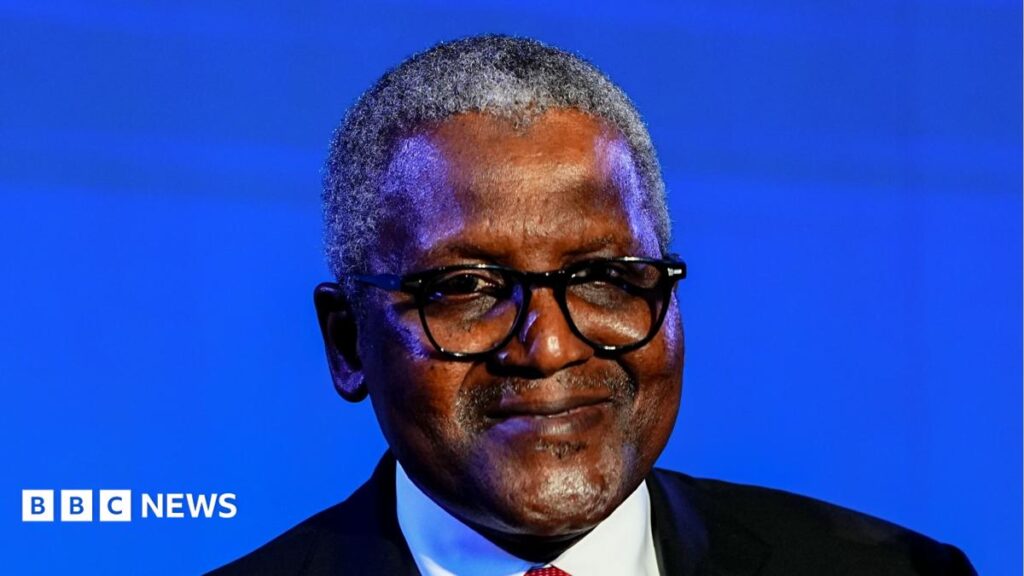
Nigeria’s Aliko Dangote, Africa’s richest man, announced in March that his conglomerate will contribute roughly $200 million toward the $660 million pipeline cost. While Dangote is best known for cement, sugar and flour, the move signals a calculated diversification into the continent’s energy sector, a market that analysts say could be worth $1.2 trillion by 2030.
In an interview with Bloomberg, Dangote explained that the pipeline aligns with his vision of “building the arteries that feed Africa’s factories.” He added that reliable fuel supplies are essential for his cement plants, many of which already operate in Ethiopia’s burgeoning industrial parks. By investing early, Dangote hopes to lock in favourable transport tariffs and secure a foothold in a nascent market before multinational oil firms arrive.
The investment also reflects a growing trend of African billionaires financing cross‑border infrastructure, a space traditionally dominated by Chinese state‑owned firms or multilateral banks. According to the African Development Bank, private‑sector capital in African infrastructure has risen by 23 % year‑on‑year since 2021, and Dangote’s involvement could encourage other high‑net‑worth individuals to look beyond their home markets.
Economic ripples for Ethiopia and Djibouti
If the pipeline delivers the projected 150,000 litres per day of refined fuel, Ethiopia could see a 12 % dip in wholesale fuel prices, according to a study by the Ethiopian Ministry of Trade. Lower prices would translate into cheaper transport for agricultural produce, potentially boosting farmgate incomes for smallholders in the Oromia and Amhara regions.
Djibouti’s port authority expects the pipeline to increase cargo throughput by 5 % within the first two years, as fuel‑laden trucks are replaced by pipeline‑fed tankers that can be loaded directly onto ships. This efficiency gain could make the Port of Djibouti more competitive against rivals such as the Port of Mombasa, especially as global shipping lines look for faster turnaround times.
The project also opens a financial conduit for diaspora investors. Nigerian and Ethiopian expatriates in the United States and Europe have expressed interest in buying bonds issued to fund the pipeline, seeing it as a low‑risk, high‑impact investment that supports development in their homelands. Early bond subscriptions have already reached 40 % of the target amount, according to a statement from the issuing bank.
Regional power play and geopolitical stakes
The Ethiopia‑Djibouti corridor sits at the crossroads of several competing geopolitical interests. China’s Belt and Road Initiative already funds a railway linking Addis Ababa to Djibouti’s port, and the pipeline adds another layer of interdependence. However, the United States, through its Africa Command, has been courting Ethiopia for security cooperation, and the fuel line could be portrayed as a counter‑balance to Chinese dominance in the region.
Eritrea, which shares a border with Ethiopia, has voiced concerns that the pipeline could divert fuel that would otherwise pass through its own ports. In response, Ethiopian officials have hinted at a future extension that could route surplus capacity to Eritrean depots, a diplomatic overture that may ease tensions while expanding market reach.
Climate activists have warned that expanding fossil‑fuel infrastructure runs counter to Africa’s climate commitments under the Paris Agreement. While the pipeline itself will transport existing refined products rather than new extraction, NGOs such as the African Climate Justice Network have called for parallel investment in renewable energy to avoid locking the region into a carbon‑intensive path.
What lies ahead for the project and Africa’s energy landscape
Construction is slated to begin in Q4 2026, with commissioning expected by mid‑2027, according to the joint venture’s timetable. The timeline hinges on securing the remaining $460 million of financing, a mix of sovereign loans, private equity and export‑credit guarantees. If funding gaps emerge, the project could face delays that would ripple through Ethiopia’s manufacturing targets for the next five years.
Looking further ahead, the pipeline could become a template for similar initiatives across the Horn of Africa. Kenya and South Sudan have floated plans for a fuel corridor that would link Nairobi’s refinery to Juba, and the success of the Ethiopia‑Djibouti line could provide a proof‑of‑concept for regional cooperation on energy logistics.
For African readers, the story illustrates a shift: homegrown capital is now stepping onto the continental stage to solve infrastructure challenges that were once the exclusive domain of foreign states. Whether Dangote’s gamble pays off will be watched closely by investors, policymakers and the diaspora alike, as it may signal a new era of African‑led development.
Quick Answers
What is the planned capacity of the Ethiopia‑Djibouti fuel pipeline?
The pipeline is designed to transport about 150,000 litres of refined fuel per day once fully operational.
How will the pipeline affect fuel prices in Ethiopia?
Analysts estimate that reliable supply could lower wholesale fuel prices by roughly 12 %, easing costs for transport and industry.
When is the pipeline expected to start operating?
Construction is set to begin in late 2026 with commissioning targeted for mid‑2027.
Source: www.bbc.co.uk




💬 Comments 0