Gaza families forced into collapsing shelters three years after war, UN warns humanitarian crisis
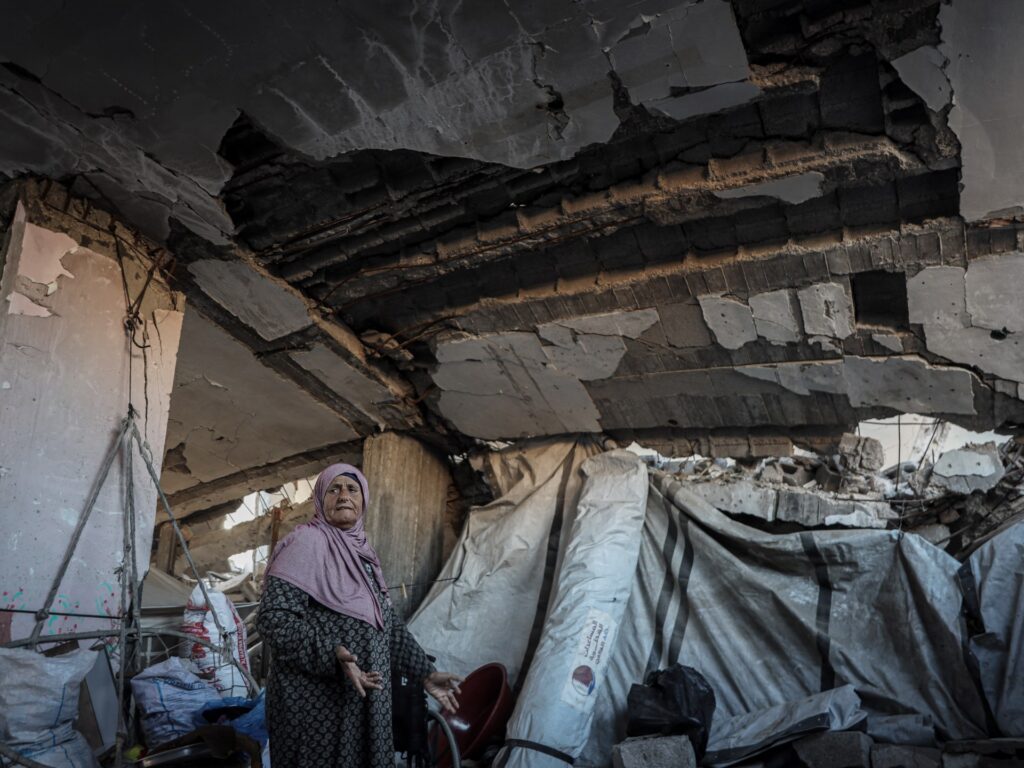
Three years of war and a shattered urban landscape
Since the conflict erupted in October 2023, Gaza’s densely packed neighborhoods have been reduced to a patchwork of rubble and half‑standing structures. Satellite imagery shows that over 70 percent of residential buildings have suffered damage, and whole blocks have been razed, leaving an estimated 1.7 million people without a roof they can trust.
The United Nations Office for the Coordination of Humanitarian Affairs (OCHA) reports that the destruction has not been evenly distributed; older, low‑rise apartments in the north and central districts have borne the brunt of airstrikes, while newer high‑rise towers in the south remain relatively intact. This uneven damage pattern has forced families to seek refuge wherever a wall still stands, even if it is structurally compromised.
Families now shelter in buildings that may collapse
Human‑rights monitors who visited Gaza last week described corridors of families living under cracked concrete, with ceiling tiles dangling like loose teeth. In the Al‑Shati refugee camp, a single‑room flat built in the 1970s now serves as a makeshift dormitory for three families, despite visible cracks that widen each time the wind blows.
Engineers attached to the International Committee of the Red Cross (ICRC) have warned that many of these structures are at risk of sudden failure. "We have identified over 200 homes where the load‑bearing walls have been compromised," a senior ICRC officer told reporters, adding that the risk of collapse rises dramatically after heavy rains, which are expected later this month.
Why the collapse of shelters matters far beyond Gaza
The humanitarian fallout is spilling over onto African donor countries and NGOs that have long been involved in Gaza relief. Kenya, Nigeria and South Africa together account for roughly 12 percent of the total aid pledged to the United Nations Relief and Works Agency (UNRWA) for the current year, according to a UN finance brief released in August.
African diaspora groups in Europe and North America have also mobilised, launching crowdfunding drives that have raised over $4 million in the past six weeks. These funds are earmarked for emergency shelter kits and structural assessments, highlighting how the crisis is galvanising African communities far from the Middle East.
A pattern echoing Africa’s own protracted conflicts
The situation in Gaza mirrors the humanitarian dilemmas seen in Sudan’s Darfur region and the Tigray conflict, where civilians have been forced to occupy damaged schools or hospitals for months on end. In both cases, the lack of safe, purpose‑built shelters has prolonged exposure to disease, trauma and, ultimately, mortality.
Experts say the Gaza crisis reinforces a broader lesson: without rapid deployment of temporary, structurally sound shelters, aid agencies risk becoming reactive rather than preventive. "We have seen this pattern repeat in African emergencies," says Dr. Amina Yusuf, a humanitarian logistics specialist based in Nairobi. "When the first shelter collapses, the cascade of injuries and loss of trust in aid providers can be devastating."
International reactions and the call for a safe‑zone solution
The United Nations has urged the establishment of protected safe zones where families can be relocated to prefabricated units that meet international building standards. In a recent briefing, UN Secretary‑General António Guterres referenced the “urgent need to move civilians out of structures that are literally ticking time‑bombs.”
African nations, many of which sit on the UN Security Council’s rotating roster, have begun lobbying for a resolution that would permit the rapid import of modular housing kits from African manufacturers. South Africa’s Department of International Relations announced a partnership with a Cape Town‑based firm that can supply up to 10 000 units within three months, pending clearance from the Israeli and Palestinian authorities.
What lies ahead: rebuilding amid ongoing conflict
Even if safe zones are approved, the path to lasting reconstruction will be fraught. Gaza’s economy, already crippled by blockades, will need a sustained influx of capital to rebuild schools, clinics and homes. African investors have expressed interest in participating in a post‑conflict reconstruction fund, but they caution that any financial commitment must be tied to transparent governance mechanisms.
For families currently huddled under cracked walls, the immediate horizon remains uncertain. Humanitarian agencies stress that the next 30 days are critical: heavy winter rains are forecast, and without swift relocation, the probability of building collapses could spike by as much as 40 percent, according to a risk assessment by the World Bank’s disaster‑risk unit.
Quick Answers
How many families are currently sheltering in unsafe buildings in Gaza?
UN OCHA estimates that roughly 350,000 families are living in structures that have been classified as structurally unsafe.
What international aid is being provided to protect Gaza families from collapsing shelters?
The UN, ICRC and several African NGOs are supplying emergency shelter kits, engineering assessments and plans for temporary modular housing units.
How does the Gaza shelter crisis affect African humanitarian organizations?
African NGOs are channeling funds from diaspora donations into shelter projects, while several African governments are negotiating to deliver prefabricated housing kits and to join UN discussions on safe‑zone creation.
Source: www.aljazeera.com




💬 Comments 0