FBI hack steals blood and urine test results of agents – 2026 breach raises concerns
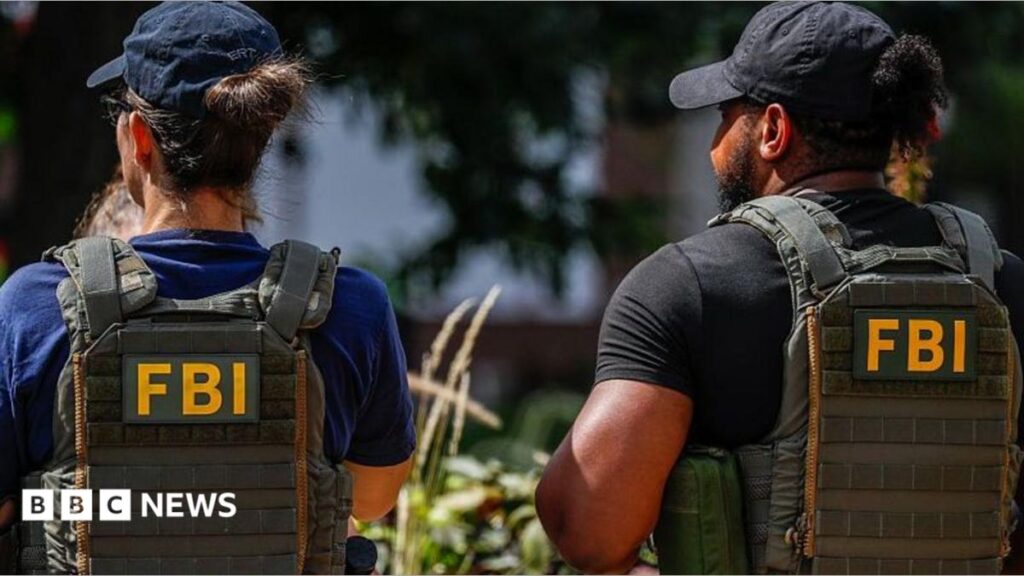
The breach that exposed agents' medical data
In early September 2026, the FBI confirmed that a group of hackers accessed a secure database containing the blood and urine test results of its special agents. The data, collected as part of routine health screenings for duty‑fit assessments, was copied and exfiltrated before the agency could shut down the vulnerability.
The breach was discovered when an internal audit flagged irregular access logs from an external IP address linked to a known cyber‑crime forum. FBI officials say the intrusion was limited to the medical records file and did not affect case files, operational plans, or classified intelligence.
According to the agency’s press release, roughly 3,200 agents had their health data compromised. The FBI has not disclosed the exact method used to breach the system, but cybersecurity experts suspect a supply‑chain attack on a third‑party vendor that hosts the health‑screening software.
Why medical data can become a weapon
Blood and urine test results reveal far more than a simple health status. They can disclose drug use, metabolic disorders, and even genetic markers that hint at an individual’s susceptibility to certain illnesses. In the hands of adversaries, such information can be weaponised for blackmail or coercion.
Special agents often operate in covert or high‑risk environments where personal leverage can translate into operational compromise. A threat to expose a past substance‑use finding, for example, could force an agent to abandon a critical undercover assignment or to reveal sensitive contacts.
Security analysts warn that the stolen data could also be sold on dark‑web marketplaces to foreign intelligence services looking to destabilise U.S. law‑enforcement capabilities. The FBI’s own risk assessment notes that the breach “creates a new attack surface for targeted social‑engineering campaigns.”
Implications for U.S.–African law‑enforcement cooperation
The United States frequently partners with African police forces on counter‑terrorism, drug interdiction, and wildlife trafficking operations. Trust in shared intelligence hinges on the belief that each side can protect its personnel’s personal data.
If the FBI’s own agents are vulnerable, partner agencies such as South Africa’s SAPS or Kenya’s Directorate of Criminal Investigations may question the security of joint databases that contain cross‑border case information. Sources in Nairobi have already expressed “heightened caution” about feeding sensitive leads into U.S. platforms after the breach was reported.
Moreover, the incident could embolden criminal networks operating across the Sahel to target U.S. operatives stationed in the region. Knowing that an agent’s health profile is exposed may make them more susceptible to extortion attempts that aim to disrupt joint operations.
A growing pattern of law‑enforcement data breaches
The FBI hack is the latest in a series of high‑profile breaches that have hit policing bodies worldwide. In 2024, the UK’s National Police Chiefs’ Council suffered a ransomware attack that exposed officer disciplinary records, while South Africa’s SAPS reported a leak of internal personnel files in early 2025.
These incidents share a common thread: the increasing reliance on third‑party cloud services for routine administrative functions. When vendors fail to enforce robust zero‑trust architectures, the entire chain becomes a soft target for sophisticated threat actors.
Analysts at the African Cyber‑Security Forum point out that many African nations are still building basic cyber‑defence frameworks for their security agencies. The FBI breach therefore serves as a cautionary tale, underscoring the urgency of adopting end‑to‑end encryption and continuous monitoring for all law‑enforcement data pipelines.
What comes next – reforms, investigations and community impact
The FBI has launched a formal investigation under the Department of Justice’s Office of the Inspector General. Preliminary steps include a full forensic review of the compromised vendor, mandatory password resets for all agents, and a temporary freeze on further health‑screening uploads.
Congressional committees are already drafting legislation that would require federal law‑enforcement agencies to certify the security of any third‑party health‑data service. If passed, the law could set a benchmark that African governments might adopt for their own policing contracts.
For the African diaspora living in the United States, the breach raises a personal security concern. Many diaspora members work in federal or state law‑enforcement roles and could be indirectly affected by the same data‑handling practices. Community leaders are urging the FBI to provide clear guidance on how the stolen information will be used—or not used—in future investigations.
Quick Answers
How many FBI agents had their medical data stolen in the 2026 hack?
Approximately 3,200 special agents were affected, according to the FBI’s public statement.
Can the stolen blood and urine results be used for blackmail?
Yes, experts say the health data could be leveraged to threaten or coerce agents, especially those in covert operations.
What impact might the breach have on U.S.–African policing partnerships?
The incident could erode trust, prompting African law‑enforcement agencies to reassess data‑sharing protocols with the United States.
Source: www.bbc.co.uk




💬 Comments 0