Kazakhstan detains senior officials after 14 soldiers drown in Caspian Sea drill, 2026
Background: Military drills on the Caspian frontier
Kazakhstan’s armed forces regularly stage large‑scale exercises along the southern shore of the Caspian Sea, a region that doubles as a strategic oil corridor and a geopolitical flashpoint. The drills, often involving infantry, naval units and air support, aim to showcase the country’s readiness to protect its extensive offshore energy infrastructure and to reassure partners such as Russia, China and the European Union.
In recent years, the Kazakh Ministry of Defence has invited foreign observers, including delegations from African nations that are expanding their own offshore capabilities. Countries like Nigeria and Angola have sent military liaison officers to learn about Caspian oil‑field security, making the safety standards of these exercises a matter of interest beyond Central Asia.
The tragedy: Service members swept out to sea
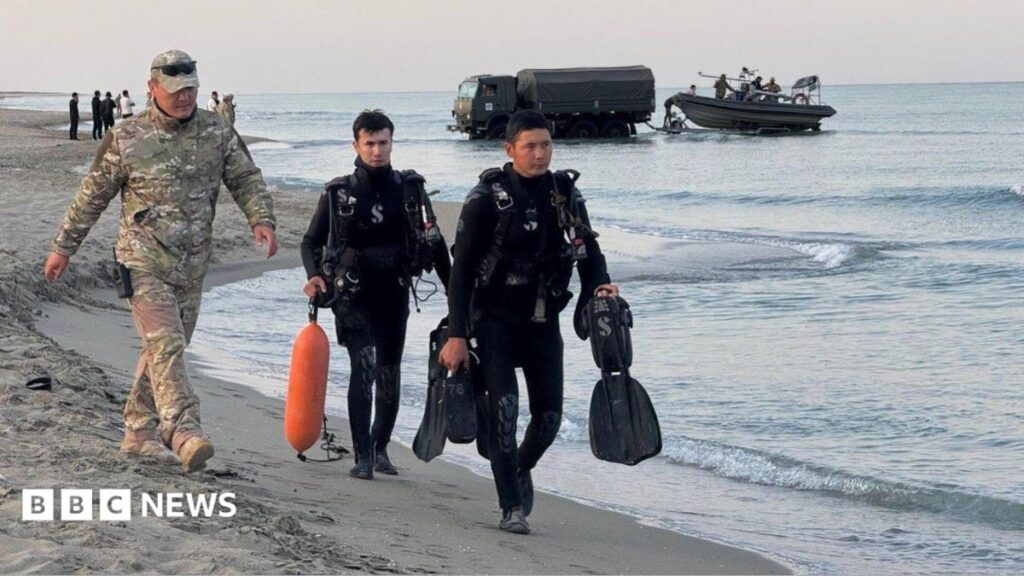
On 22 September 2026, a sudden gust of wind combined with an unexpected rise in wave height during a night‑time maneuver caused seventeen conscripts and junior officers to lose footing on a makeshift beach landing site. Fourteen of them were pulled under the water and could not be rescued in time, while three survived with serious injuries.
Rescue teams from the Kazakh Coast Guard and civilian volunteers launched a frantic operation, but the strong currents of the Caspian limited visibility and hampered recovery efforts. The incident was captured on a low‑resolution video that quickly spread on regional social media, prompting an outcry over the adequacy of safety protocols during high‑risk drills.
Political fallout: Detention of senior officials
Within 48 hours of the disaster, the Kazakh Prosecutor General’s Office announced the detention of two senior officers – Colonel Alikhan Zhumabekov, commander of the 9th Infantry Brigade, and Major General Timur Bekturov, deputy head of the Ministry’s Training Department. Authorities cited “gross negligence” and “failure to follow standard operating procedures” as the legal basis for the arrests.
According to a statement from the Ministry of Defence, an internal investigation found that the exercise had proceeded despite a weather advisory warning of high winds. The detained officials are now facing charges that could lead to lengthy prison terms, a move seen by analysts as an attempt by President Kassym‑Jomart Tokayev to demonstrate accountability and restore public confidence.
Implications for regional security and African interests
The Caspian Sea is a hub for oil and gas pipelines that feed both European markets and the Chinese Belt‑and‑Road Initiative. Any perception of instability or lax safety in Kazakhstan can ripple through energy contracts, affecting African oil exporters who compete for similar export routes. Nigerian oil firms, for example, have been negotiating access to Caspian‑linked shipping lanes, and a security breach could delay those talks.
Beyond energy, the incident raises questions about joint training programs that Kazakhstan runs with African militaries. Several African nations have expressed interest in learning Kazakhstan’s expertise in securing offshore installations. If the Kazakh defence establishment is seen as unsafe, African defence ministries may reconsider participation, potentially slowing the transfer of knowledge that could help protect African offshore platforms from piracy and sabotage.
What comes next: Accountability, reforms and diplomatic outreach
Legal experts predict that the trial of the detained officials will be fast‑tracked, given the political pressure on President Tokayev to show decisive action. The outcome could set a precedent for how Central Asian militaries handle operational negligence, possibly prompting a region‑wide review of drill safety standards.
In parallel, Kazakh diplomats have scheduled a series of high‑level meetings with African ambassadors in Astana to reassure them that the incident will not impede existing cooperation agreements. Sources close to the foreign ministry say that a new joint safety protocol, co‑developed with African partners, could be on the agenda for the upcoming African‑Kazakh Economic Forum in December.
Quick Answers
How many Kazakh service members died in the Caspian Sea drill?
Fourteen soldiers drowned during the exercise, while three survived with injuries.
Why were senior Kazakh officials detained after the incident?
They were arrested for alleged negligence and for ignoring a weather warning that led to the tragedy.
What impact could the disaster have on African investors in the Caspian region?
The incident may delay energy‑trade talks and cause African nations to reassess joint training and security collaborations with Kazakhstan.
Source: www.bbc.co.uk




💬 Comments 0