Amazon Texas data center power plant could become US’s biggest climate polluter, 2026
Background: Amazon’s push for a massive Texas hub
Amazon Web Services (AWS) announced plans in early 2024 to build a sprawling data centre complex near Austin, Texas, a region already known for its tech‑friendly climate and generous tax incentives. The project, slated to begin construction in late 2025, will add roughly 400 megawatts of compute capacity, enough to power millions of servers and support the growing demand for cloud services across the United States.
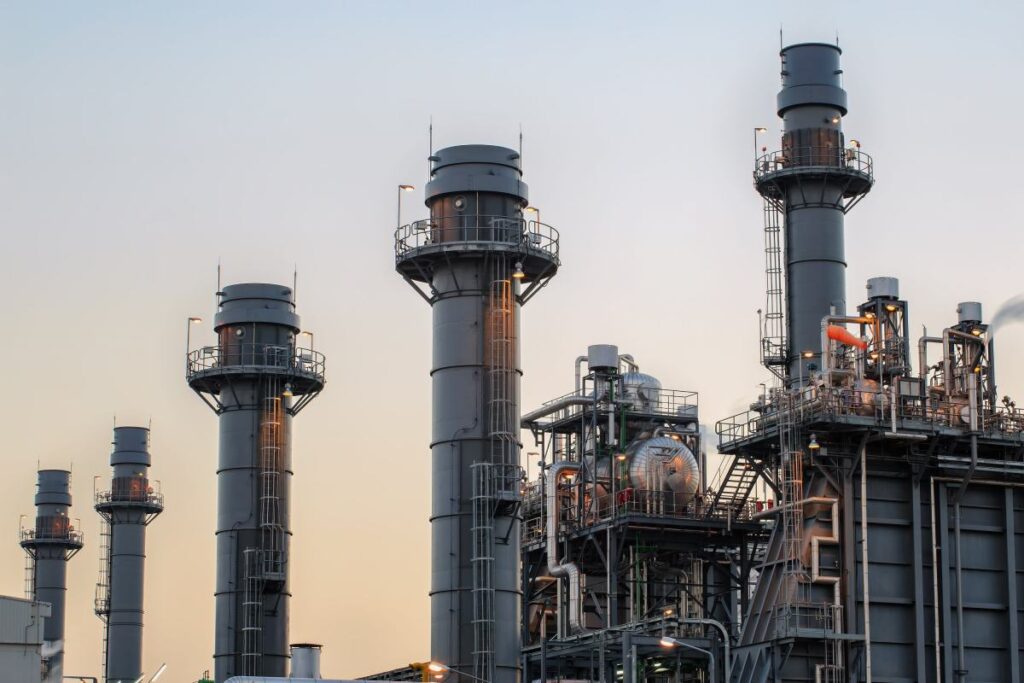
To guarantee reliable electricity for the site, Amazon is also developing an on‑site natural‑gas‑fired power plant. According to filings with the Texas Public Utility Commission, the plant will have a name‑plate capacity of 600 megawatts, making it larger than any single industrial emitter in the country. Environmental groups have warned that, at full output, the plant could emit more carbon dioxide than the combined output of several mid‑size coal‑fired power stations.
Why the power plant matters beyond Texas
The significance of the plant goes far beyond a single state’s carbon footprint. By locking in a dedicated fossil‑fuel source, Amazon sidesteps the volatility of the regional grid, but it also signals a willingness to double‑down on carbon‑intensive energy at a time when many tech giants are pledging to run on 100 % renewable power. This move could set a precedent for other cloud providers that are weighing the trade‑off between cost, reliability and climate commitments.
Moreover, the plant’s emissions could affect the broader U.S. climate agenda. The Environmental Protection Agency (EPA) is currently revising its greenhouse‑gas reporting thresholds, and a single facility that becomes the nation’s largest point source could force regulators to tighten standards for the entire data‑centre sector, which already accounts for roughly 2 % of global electricity consumption.
Implications for African cloud users and the diaspora
African startups, NGOs and diaspora‑run businesses increasingly rely on AWS for everything from e‑commerce platforms to health‑data analytics. Any shift in Amazon’s energy strategy that raises its overall carbon intensity may affect the company’s ability to meet its own climate‑neutrality pledges, which in turn could influence the pricing and sustainability certifications that African customers look for.
In addition, the controversy may accelerate the push for more regional data‑centres in Africa. Countries such as Kenya, Nigeria and South Africa have been courting global cloud players to build local infrastructure that reduces latency and improves data sovereignty. If Amazon’s Texas plant draws criticism, African policymakers could use the episode to argue for stricter sustainability clauses in future contracts, ensuring that any African‑based AWS facilities run on renewable energy.
A broader trend: Big tech’s energy gamble
Amazon’s decision mirrors a pattern seen across the tech industry: large firms are betting on on‑site fossil‑fuel generation to hedge against grid unreliability, especially in regions prone to extreme weather. Google, for example, has invested in hydro‑electric projects in the Pacific Northwest, while Microsoft is experimenting with hydrogen‑fuel cells in Arizona. The common thread is a desire for energy independence, but the environmental cost varies dramatically depending on the fuel mix.
Analysts warn that this fragmented approach could undermine the collective goal of decarbonising the digital economy. If each company builds its own carbon‑heavy power source, the cumulative effect may outweigh the benefits of any individual renewable‑energy purchase. The Texas plant thus becomes a case study for the tension between operational resilience and global climate responsibility.
What’s next: Regulation, activism and corporate response
Environmental NGOs have already filed a petition with the Texas Commission on Environmental Quality, asking for a comprehensive impact assessment and for Amazon to consider a hybrid model that pairs natural gas with solar or wind generation. In response, Amazon’s spokesperson said the company is “exploring additional renewable‑energy options” and that the plant will operate under “the strictest emissions controls permitted by law.”
Legislators in Texas and at the federal level are also watching the development closely. A bipartisan group of senators introduced a bill last month that would require large data‑centre operators to disclose the carbon intensity of any on‑site power generation. If passed, the law could force Amazon to retrofit the plant with carbon‑capture technology or to transition to cleaner fuels within a decade.
Long‑term outlook: Cloud, climate and African opportunity
The controversy surrounding the Texas power plant underscores a pivotal moment for the cloud industry. As demand for digital services continues to surge, the sector’s carbon footprint will become a decisive factor for customers, investors and regulators alike. Companies that can demonstrate a clear path to net‑zero are likely to win market share, especially in regions where sustainability is a competitive advantage.
For Africa, the episode offers both a warning and a chance. It highlights the risks of over‑reliance on foreign data‑centre providers that may not align with local climate goals. At the same time, it strengthens the case for African governments to negotiate stronger environmental clauses and to invest in indigenous renewable‑energy‑powered cloud infrastructure, turning the continent’s abundant solar and wind resources into a strategic tech asset.
Quick Answers
Will the Amazon Texas data centre power plant be the biggest polluter in the US?
If it operates at full capacity, the 600‑MW natural‑gas plant could emit more CO₂ than any single industrial source currently listed by the EPA.
How could this affect African businesses that use AWS?
Higher emissions may pressure Amazon to revise its sustainability commitments, which could influence pricing, certifications and the push for greener, locally‑based cloud options in Africa.
What regulatory actions are being considered?
U.S. senators have introduced a bill requiring data‑centre operators to disclose on‑site power emissions, and Texas regulators are reviewing the plant’s environmental impact.
Source: techcrunch.com




💬 Comments 0