American Airlines adds seatback screens and expands first‑class in 2026 upgrade to chase Delta and United
Background: The premium war among U.S. legacy carriers
Since the early 2020s, Delta Air Lines and United Airlines have poured billions into cabin redesigns, Wi‑Fi upgrades and new product tiers, positioning themselves as the go‑to carriers for business travelers and affluent leisure flyers. Their moves have forced the other big U.S. legacy airlines to rethink how they compete beyond price alone.
American Airlines, which fell behind in the race for premium amenities after a series of cost‑cutting measures during the pandemic, has now announced a multi‑year plan to revamp its cabin experience. The plan is part of a broader industry shift where airlines are betting that higher‑margin first‑class and business‑class seats can offset thin yields on economy tickets.
What American Airlines is introducing
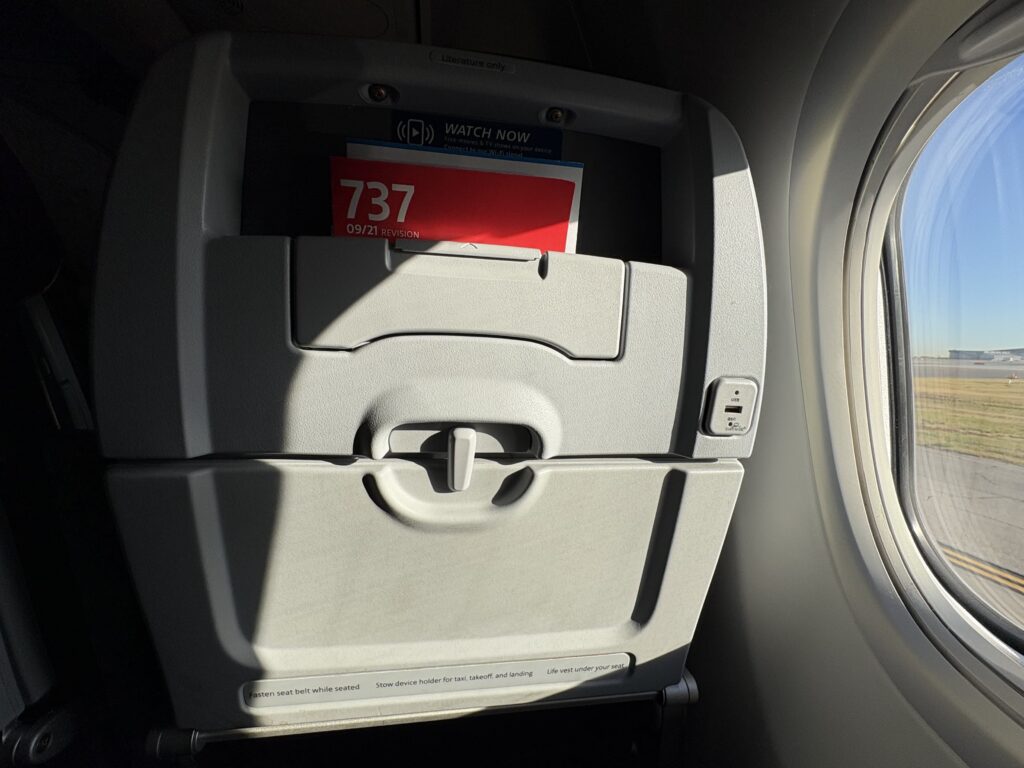
Starting in the summer of 2026, American will roll out high‑definition seatback entertainment screens on its domestic main‑deck fleet, replacing the older, limited‑function displays that have been in service since 2015. The new screens will support 4K video, live streaming and integrated airline apps for seat‑back ordering of meals and duty‑free items.
In parallel, the carrier is enlarging its first‑class cabins on its flagship Boeing 777‑300ER and Airbus A321LR aircraft. Seats will grow by roughly 15 percent in width, feature lie‑flat capabilities on all trans‑atlantic routes, and include a redesigned privacy divider that mimics United’s Polaris pods. The airline also promises a refreshed menu curated by a celebrity chef and a new lounge access policy for all first‑class passengers.
Why the upgrade matters for travelers and the industry
Premium passengers have become a decisive revenue source for U.S. airlines, accounting for up to 30 percent of total passenger revenue on long‑haul routes, according to industry data. By offering richer entertainment options and more spacious seats, American hopes to capture a slice of that high‑value market and improve its load factor on full‑service flights.
The move also signals a shift away from the “low‑cost legacy carrier” model that many airlines adopted after COVID‑19. Instead of competing solely on fares, carriers are now differentiating through cabin experience, ancillary services and loyalty perks. This trend could raise overall ticket prices on premium cabins but may also stimulate innovation across the sector.
Implications for African diaspora and flights to Africa
A sizable portion of American’s trans‑atlantic traffic serves the African diaspora, especially routes linking New York, Washington D.C. and Atlanta to Lagos, Nairobi and Accra. Upgraded first‑class cabins mean that business travelers, visiting families and diaspora entrepreneurs will have a more comfortable journey, potentially encouraging more frequent trips.
African‑focused travel agencies have noted that premium‑class availability often influences the decision to charter or book direct flights to African hubs. With American expanding its premium product, the airline could negotiate more attractive slot allocations at African airports, a benefit that could translate into better connections for passengers and cargo alike.
Reactions from competitors and analysts
Delta’s spokesperson said the carrier will continue to invest in its “Sky Club” lounges and cabin technology, but did not comment on specific pricing. United’s chief marketing officer, speaking to Bloomberg, described American’s upgrade as “a logical next step” in the ongoing premium competition, adding that United is already piloting a new virtual reality entertainment platform.
Airline analysts at S&P Global estimate that the seatback‑screen rollout could cost American roughly $250 million over three years, but project a potential 5‑7 percent lift in first‑class revenue per flight. The analysts caution that the real test will be whether the upgrades can attract customers who have already built loyalty with Delta or United.
Looking ahead: How the race may evolve
If American’s upgrades succeed, the premium war could accelerate, prompting all three legacy carriers to explore next‑generation features such as biometric boarding, AI‑driven cabin service and even subscription‑based lounge access. Smaller carriers and low‑cost airlines may respond by offering “premium economy” bundles that blur the line between economy and business cabins.
For African travelers, the ripple effect could be a broader improvement in the overall travel experience on routes that connect the continent to the United States. As airlines vie for the high‑margin segment, passengers may see better meals, more privacy and smoother connections—benefits that extend beyond the United States to the global network.
Quick Answers
When will American Airlines' new seatback screens be available?
The high‑definition seatback entertainment screens are scheduled to start appearing on domestic main‑deck aircraft in summer 2026.
How much larger will the new first‑class seats be?
American says the new first‑class seats will be about 15 percent wider than the current version and will feature lie‑flat functionality on all trans‑atlantic flights.
Will the upgrades affect flights to Africa?
Yes, the upgraded premium cabins are expected to improve comfort for diaspora travelers on American’s New York, Washington and Atlanta routes to Lagos, Nairobi and Accra, and could lead to better slot access at African airports.
Source: www.cnbc.com




💬 Comments 0