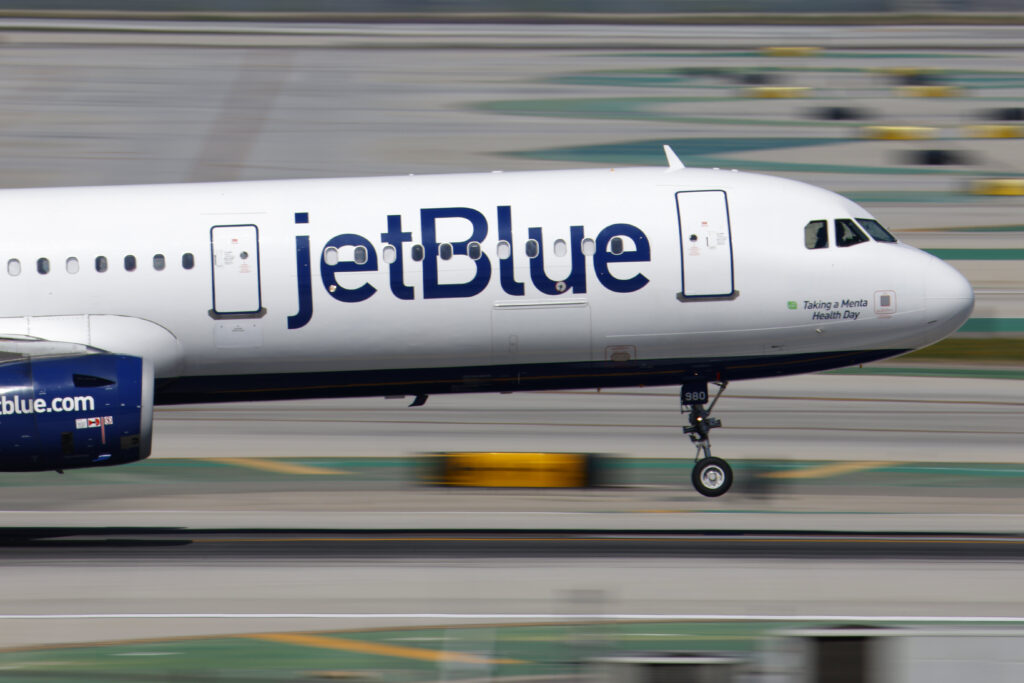
JetBlue launches BlueFirst domestic first class on Dec 8 2026, reshaping US travel for African diaspora and premium flyers
Background: JetBlue’s push into the premium cabin
Since its founding in 1999, JetBlue has built a reputation as a low‑cost carrier that emphasizes roomy seats, free Wi‑Fi and a friendly brand voice. Over the past decade the airline has experimented with higher‑margin products, first with Mint on trans‑Atlantic routes and later with upgraded seats on select domestic flights, but a full‑fledged first‑class offering remained elusive.
In early 2024 the airline announced a strategic review of its product mix, aiming to capture a slice of the business‑travel market that had been dominated by legacy carriers such as United and American. The review concluded that a dedicated domestic first‑class cabin could be profitable if it combined JetBlue’s service ethos with a price point that appealed to both corporate travelers and affluent leisure passengers.
The result is BlueFirst, a brand‑new cabin class that will debut on more than 30 routes across the United States. The launch is scheduled for December 8, 2026, and bookings opened this week, signalling JetBlue’s confidence that the market is ready for a premium product that still feels accessible.
What BlueFirst offers: seats, service and pricing
BlueFirst cabins feature a new 2‑2 seat configuration with fully reclinable seats that extend to a 38‑inch pitch, a step up from JetBlue’s standard “Even More Space” seats. Each seat includes a personal entertainment screen, power outlet, and a small work table, while the cabin itself is outfitted with mood lighting and a quieter environment.
Passengers will be served a curated menu that blends JetBlue’s signature Fresh‑and‑Fast meals with upscale options such as smoked salmon, artisanal cheese plates and a selection of premium wines. The cabin crew will wear a distinct uniform and provide a “concierge‑style” check‑in at the gate, a service model that mirrors what business travelers expect from legacy airlines.
Pricing has been positioned to sit between JetBlue’s regular economy tickets and the higher‑priced Mint product on long‑haul flights. Initial data from the airline shows a base fare starting at $299 for a one‑way ticket on a 2‑hour route, with higher fares for longer distances and peak travel days. The airline hopes the price‑to‑value ratio will attract both first‑time premium flyers and seasoned business travelers looking for a more relaxed experience.
Why the launch matters for US travelers and the African diaspora
The United States is home to one of the largest African diaspora communities in the world, with major population hubs in New York, Atlanta, Washington DC and Houston. Many of these travelers frequently fly domestically for family reunions, business conferences and cultural events, often juggling tight schedules and the need for comfort.
BlueFirst’s entry could reshape how African‑American professionals plan their trips. For example, a senior executive traveling from Atlanta to New York for a fintech summit will now have a dedicated first‑class option that promises a quieter cabin and a more productive environment without the steep price tag of a legacy carrier’s business class. The added comfort could translate into better performance at meetings and reduced travel fatigue, a factor that matters for high‑stakes negotiations and networking.
Moreover, the new cabin could influence the travel choices of diaspora entrepreneurs who regularly shuttle between U.S. cities and Caribbean or West African gateways. JetBlue already operates a strong network to the Caribbean, and the ability to book a premium seat on a feeder flight to an international connection may make the airline a more attractive partner for those seeking seamless, comfortable journeys.
The broader trend of low‑cost carriers adding first‑class cabins
JetBlue is not the first low‑cost airline to experiment with a premium cabin; European carrier easyJet launched “easyJet Plus” in 2022, and in the Asia‑Pacific market airlines such as AirAsia have introduced “Premium Flatbeds”. The common thread is a recognition that the traditional dichotomy between budget and luxury is blurring, as travelers look for value‑added experiences without paying legacy‑carrier rates.
Industry analysts point out that the pandemic accelerated this shift. With many business travelers returning to the office, airlines have been forced to re‑evaluate revenue streams that were once dominated by economy seats. Adding a first‑class cabin allows carriers to capture higher yields on short‑haul routes that were previously low‑margin, while also differentiating themselves in a crowded market.
For the U.S. market, the move also reflects a competitive response to United’s “Polaris” and American’s “Flagship Business” cabins, which have historically set the standard for domestic premium travel. JetBlue’s BlueFirst may pressure legacy carriers to revisit their own pricing and service structures, potentially leading to a broader “price war” that benefits passengers across the board.
What could happen next: competition, pricing and African market implications
In the short term, we can expect a flurry of promotional fares as JetBlue tries to fill the new cabins and generate buzz. Early adopters—especially corporate travel managers—will likely negotiate bulk‑purchase agreements, which could lock in lower rates for months to come.
If BlueFirst proves popular, other U.S. low‑cost carriers such as Spirit and Frontier may accelerate their own premium‑product rollouts, intensifying competition on routes that serve major diaspora corridors like New York‑Atlanta and Washington‑Chicago. This could lead to a cascade of price reductions, making premium travel more attainable for a broader segment of the African diaspora.
Finally, the launch may open doors for strategic partnerships with African airlines looking to feed passengers into JetBlue’s domestic network. For instance, a code‑share with Kenya Airways or Ethiopian Airlines could enable travelers from Nairobi to book a seamless itinerary that includes a BlueFirst segment from a U.S. gateway to a final destination, adding a layer of comfort that was previously unavailable on purely domestic legs.
Quick Answers
When does JetBlue’s BlueFirst cabin start operating?
BlueFirst will be available for booking now and will launch on December 8, 2026.
Which routes will have BlueFirst seats initially?
The airline announced more than 30 domestic routes, including major city pairs such as New York‑Atlanta, Washington‑Chicago and Los Angeles‑San Francisco.
How does BlueFirst differ from JetBlue’s regular seats?
BlueFirst offers fully reclinable 2‑2 seats with a 38‑inch pitch, enhanced dining, dedicated cabin crew and a quieter cabin environment.
Source: www.cnbc.com


💬 Comments 0