Southwest Airlines revamps loyalty program with three new tiers, replacing A‑List in 2027
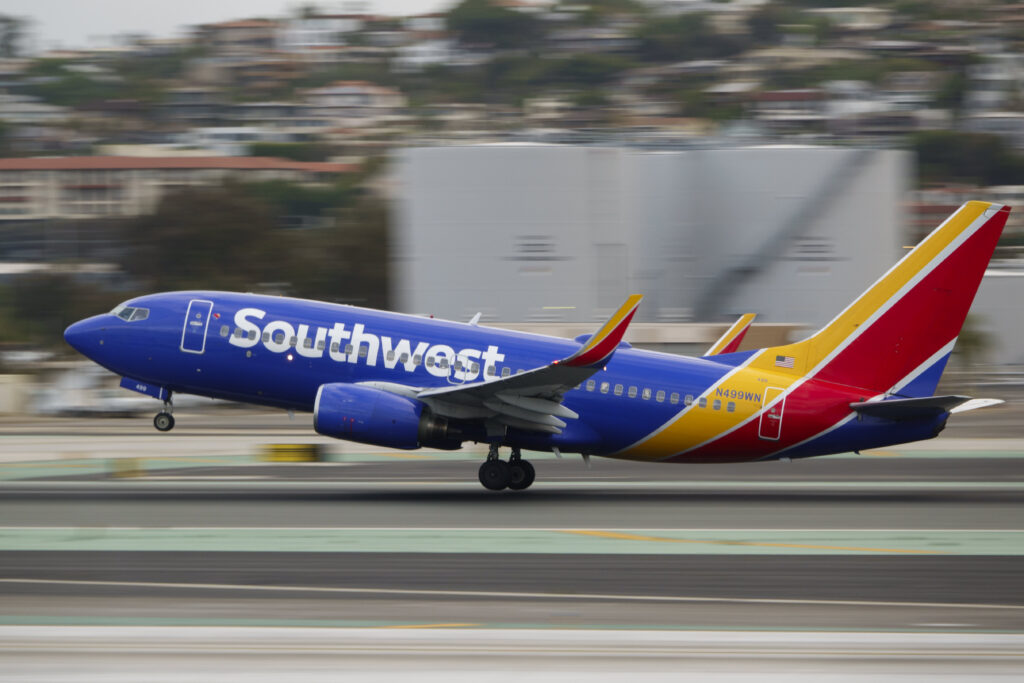
Background: Southwest’s A‑List legacy
Since its launch in 2011, Southwest’s A‑List and A‑List Preferred tiers have been a hallmark of the carrier’s low‑cost, no‑fees ethos. The program rewarded members who flew a set number of qualifying flights or earned a specific amount of points, granting perks such as priority boarding, dedicated check‑in lines and bonus Rapid Rewards points. Over the years, the tiers grew popular among business travelers, families, and the sizable African‑American and African‑diaspora community that relies on Southwest for affordable domestic hops.
The original structure, however, remained static while competitors like United, Delta and American continually expanded their elite benefits, adding lounge access, free upgrades and more flexible ticket changes. Southwest’s refusal to offer a true “status‑based” lounge experience left some frequent flyers feeling the program lagged behind market expectations, especially as post‑pandemic travel surged and loyalty became a key differentiator.
Industry analysts noted that the A‑List model, which hinges on flight count rather than spend, was increasingly misaligned with modern consumer behavior. Travelers now prioritize revenue‑based rewards that reflect higher ticket prices, ancillary purchases and even co‑branded credit‑card spend. The growing gap set the stage for Southwest’s decision to overhaul its loyalty architecture.
The new three‑tier structure
Effective January 2027, Southwest will retire A‑List and A‑List Preferred, replacing them with three distinct tiers: Breeze, Horizon and Apex. Breeze, the entry‑level tier, will be automatically granted to anyone who signs up for a Rapid Rewards account and will offer a modest 10% points boost on all flights. Horizon, positioned as the mid‑level tier, requires either 15,000 points earned or 12 qualifying flights in a calendar year and adds benefits such as two‑hour early boarding and a 15% points multiplier.
Apex, the top‑tier, is designed for the most active travelers. Eligibility will be set at 30,000 points or 25 qualifying flights, and members will receive a 25% points bonus, complimentary same‑day standby, and a dedicated Apex service line. Unlike the previous A‑List Preferred, Apex members will also gain access to a network of partner lounges in major hubs, a first for Southwest and a clear nod to rival carriers.
All three tiers will continue to be points‑based, but the new system introduces a “Spend‑More, Earn‑More” element: purchases made through Southwest’s co‑branded credit cards, in‑flight purchases, and even partner hotel stays will count toward tier qualification. This shift aligns the program with the broader industry move toward revenue‑centric loyalty models.
Why the change matters for travelers, especially the African diaspora
For African‑American and African‑diaspora travelers who have historically leaned on Southwest’s low fares for intra‑U.S. trips—whether visiting family, attending conferences, or returning from overseas study—the new tiers promise a clearer path to value. The points‑boost on Horizon and Apex tiers can translate into cheaper round‑trip tickets to key gateway cities like New York, Atlanta and Houston, where many diaspora communities are concentrated.
Moreover, the inclusion of partner lounge access at hubs such as Chicago O’Hare and Dallas Love Field could improve the travel experience for those on long layovers or connecting flights to international destinations. While Southwest does not fly to Africa, the airline often serves as the first domestic leg for passengers heading to international carriers that do. A smoother, more rewarding domestic segment can lower overall travel costs for diaspora families shuttling between the continent and the United States.
Financially, the revenue‑based tiering may benefit budget‑conscious flyers who spend more on ancillary services—like checked bags or in‑flight Wi‑Fi—rather than on premium cabin tickets. By rewarding spend across the entire travel ecosystem, Southwest is acknowledging the diverse ways its core customer base extracts value, a shift that could keep the airline competitive in a market where price sensitivity remains high.
Competitive landscape and broader industry trends
Southwest’s overhaul mirrors a wave of loyalty redesigns across the U.S. airline sector. United’s “MileagePlus” and Delta’s “SkyMiles” have both introduced tiered status that blends flight activity with spend, while American Airlines recently rolled out a “Dynamic Pricing” model for its AAdvantage points. The move signals that even ultra‑low‑cost carriers can no longer rely solely on price; they must also cultivate deep, data‑driven loyalty ecosystems.
Globally, airlines serving African markets—such as Ethiopian Airlines, Kenya Airways and South African Airways—have been experimenting with hybrid loyalty models that reward both flight frequency and revenue. Southwest’s adoption of a similar framework may set a precedent for other carriers looking to attract diaspora travelers who value flexibility and transparent point accrual. It also opens the door for future partnerships with African airlines, potentially enabling points transfers or co‑branded credit‑card offerings that bridge domestic U.S. travel with African destinations.
The timing is strategic. With U.S. domestic travel projected to reach pre‑pandemic levels by 2028, airlines are racing to lock in repeat customers. Southwest’s new tiers aim to capture a larger share of the “frequent flyer” segment that previously migrated to legacy carriers for elite perks. If successful, the program could boost Southwest’s load factor and ancillary revenue, reinforcing its position as the nation’s largest low‑cost carrier.
Reactions and what’s next
Initial reactions from consumer advocacy groups have been cautiously optimistic. The Airlines Reporting Corporation noted that the points‑boost could help offset rising travel costs for low‑income households, a demographic that includes many African‑American families. However, some frequent flyers expressed concern that the higher qualification thresholds for Apex may marginalize long‑time A‑List Preferred members who flew frequently but spent less on extras.
Analysts at Bloomberg Intelligence predict a short‑term dip in enrollment as members adjust to the new criteria, but forecast a net gain in loyalty spend over the next two years. They point to the added lounge access and service‑line benefits as potential differentiators that could attract business travelers who previously avoided Southwest due to limited premium services.
Southwest has pledged to honor existing A‑List and A‑List Preferred status through a “grandfathering” period that lasts until the end of 2027, allowing members to retain current benefits while they work toward the new tiers. The airline will also roll out an educational campaign—via email, the mobile app and social media—to guide members through the transition, emphasizing how everyday purchases can now accelerate tier progression.
Quick Answers
What are the new Southwest loyalty tiers?
Southwest will replace A‑List with three tiers—Breeze (basic), Horizon (mid‑level) and Apex (top)—each offering increasing points bonuses and perks.
How will the changes affect existing A‑List members?
Current A‑List and A‑List Preferred members will keep their benefits through the end of 2027, after which they must meet the new points or flight thresholds to retain status.
When does the new program take effect?
The revamped loyalty program launches in January 2027, with full rollout and member communications occurring throughout the first quarter.
Source: www.cnbc.com


💬 Comments 0