Porsche Mission S concept 2026 reveals new design identity and EV strategy
Background – Porsche’s profit turnaround and EV push
In early 2026 Porsche announced a three‑year turnaround plan aimed at lifting earnings by focusing on higher‑margin models while deliberately trimming overall sales volume. The German automaker, famous for its 911 sports car, is betting that a leaner product mix centred on premium electric vehicles will restore its profitability after a modest dip in 2025.
The plan builds on the 2022 Mission E concept, which later became the Taycan, the brand’s first fully electric sedan. Porsche’s engineers have used the Taycan platform as a testbed for battery technology, fast‑charging capability, and a new digital cockpit that now underpins the Mission S prototype.
Globally, luxury carmakers are feeling pressure from stricter emissions regulations in Europe and China, as well as from an increasingly affluent middle class in emerging markets. Porsche’s shift mirrors a broader industry trend where high‑end brands are using electric powertrains to justify premium pricing while meeting tightening climate targets.
What the Mission S concept reveals
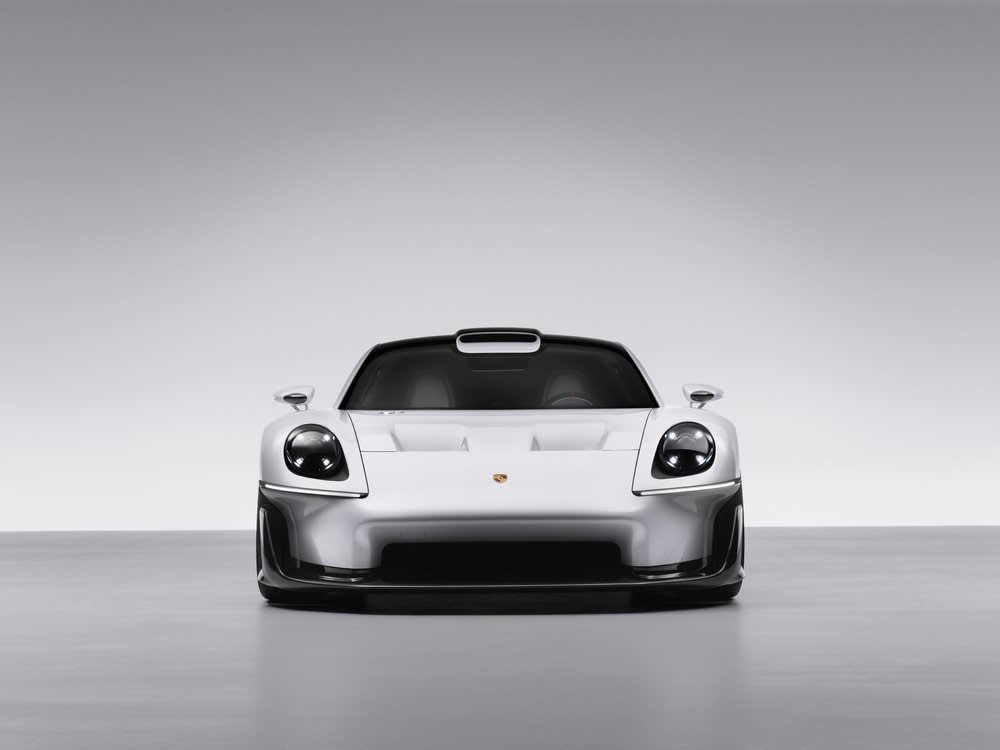
Unveiled at a private event in Stuttgart, the Mission S is a sleek, two‑door coupe that combines classic Porsche proportions with a futuristic silhouette. The car features a low roofline, a pronounced rear diffuser and a new LED lighting signature that Porsche says will become the brand’s “design DNA” for the next decade.
Under the skin, the Mission S houses a dual‑motor setup delivering roughly 800 horsepower and a 0‑100 km/h sprint in under 2.5 seconds, according to Porsche’s technical brief. Its battery pack, positioned low in the chassis, promises a real‑world range of about 550 kilometres on a single charge, a figure that rivals the best‑selling EVs in the luxury segment.
Inside, the cabin abandons the traditional analogue gauges for a fully digital driver‑focused display, while retaining the tactile feel of a sports car through a new steering wheel that offers haptic feedback. Porsche also highlighted sustainable interior materials, such as recycled aluminium and vegan leather, signalling that environmental concerns are now part of its luxury DNA.
Why the Mission S matters for Porsche’s strategy
The Mission S is more than a styling exercise; it is a testbed for the profit‑centric model Porsche outlined in its turnaround plan. By offering a limited‑run, ultra‑premium EV, the automaker can command prices well above $250,000, offsetting the lower unit sales it expects to achieve by 2029.
Analysts at Bloomberg note that Porsche’s shift mirrors what Mercedes‑Benz did with its EQ S line, where exclusivity and high profit margins compensate for the reduced volume typical of electric models. The Mission S therefore serves as a template for future Porsche EVs that will sit above the Taycan in the price hierarchy.
The concept also signals Porsche’s intention to compete directly with Tesla’s Model S Plaid and Lucid’s Air Dream Edition, both of which target the same affluent, performance‑driven clientele. By delivering a vehicle that blends Porsche’s racing heritage with cutting‑edge electric performance, the brand hopes to retain loyal customers who might otherwise switch to a purely tech‑focused competitor.
Implications for Africa and the diaspora
Luxury electric cars are still a niche in most African markets, but South Africa, Kenya and Nigeria have seen a modest rise in demand for high‑end EVs as charging infrastructure slowly expands. Porsche already operates a boutique showroom in Sandton, Johannesburg, and the Mission S could become a flagship model to attract wealthy African buyers who value both status and sustainability.
According to a 2025 report by the African Development Bank, electric vehicle registrations in Sub‑Saharan Africa grew by 38 % year‑on‑year, driven largely by expatriates and diaspora investors returning home with higher disposable incomes. The Mission S, with its premium price tag, is likely to appeal to this segment, especially as local governments in South Africa and Kenya introduce tax incentives for zero‑emission vehicles.
Porsche’s potential rollout of the Mission S in Africa could also stimulate ancillary services such as fast‑charging networks, high‑performance tyre suppliers, and specialised maintenance crews. Some industry insiders suggest that Porsche may explore assembly partnerships in Morocco or Egypt to reduce import duties, a move that would create skilled jobs and align with continental ambitions for local EV production.
What’s next – production timeline, market rollout and broader trends
Porsche has indicated that a limited production run of the Mission S could begin in late 2027, with deliveries slated for early 2028. Pricing is expected to start around €230,000 ($250,000), positioning the car above the top‑end Taycan Turbo S but below the most exclusive hypercars in the Porsche stable.
The rollout will likely begin in Europe and North America before expanding to Asia and selected high‑income African markets. Competitors such as Audi’s RS e‑Tron and BMW’s i8 Roadster are also planning ultra‑premium EV launches, suggesting a coming wave of performance‑focused electric coupes that will redefine the luxury sports segment.
Beyond the immediate launch, the Mission S illustrates how legacy manufacturers are re‑engineering their brand DNA for an electric future. As governments worldwide tighten CO₂ standards, the success of such high‑margin EVs will determine whether traditional sports‑car makers can survive the transition without abandoning the emotional appeal that made them iconic.
Quick Answers
What is the Porsche Mission S concept?
The Mission S is Porsche’s 2026 electric coupe concept that previews a new design language, delivers around 800 hp and targets a range of about 550 km.
When will the Mission S be produced?
Porsche aims to start limited production in late 2027 with customer deliveries expected in early 2028.
How could the Mission S affect African luxury car markets?
Its high‑end EV positioning may attract affluent buyers in South Africa, Nigeria and Kenya, spur local charging infrastructure and possibly lead to assembly partnerships in North Africa.
Source: www.cnbc.com


💬 Comments 0