Anti‑migrant violence hits South Africa’s KwaZulu‑Natal, 30 arrested in Oct 2026
A volatile history of xenophobia
South Africa’s post‑apartheid era has been punctuated by periodic outbreaks of xenophobic anger, most often directed at migrants from Zimbabwe, Mozambique, the Democratic Republic of Congo and other neighboring states. The first major wave in 2008 saw dozens of shops looted and several lives lost, setting a grim template for future unrest.
Scholars link these eruptions to a mix of high unemployment, soaring inequality and competition for scarce resources in informal economies. When formal job markets shrink, informal traders – many of whom are foreign nationals – become convenient scapegoats for frustrations that are rooted in systemic economic failure.
The October flashpoint in KwaZulu‑Natal
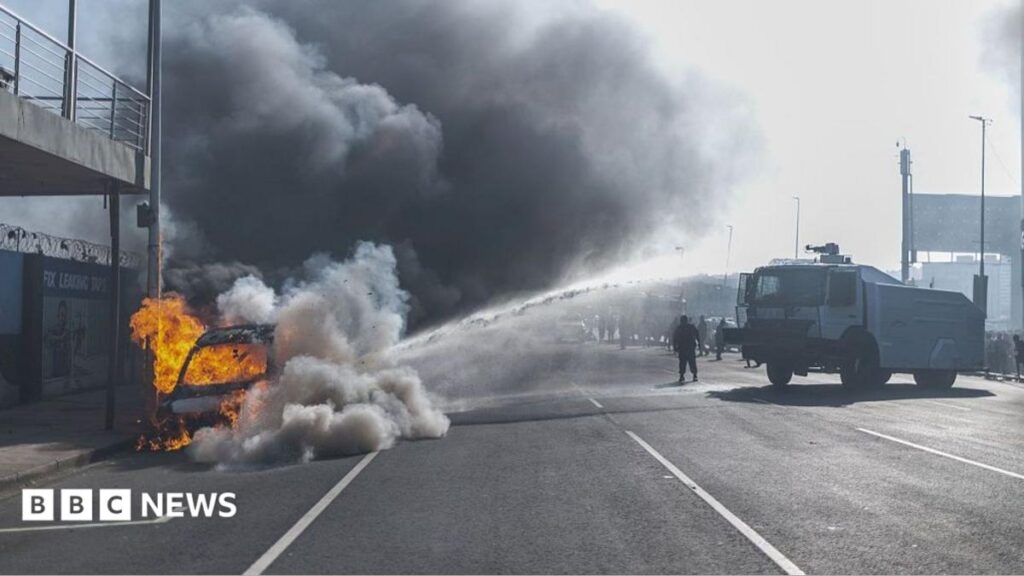
On 7 October 2026, a crowd of roughly 200 youths gathered outside a popular market in Durban’s Umlazi township after rumors spread that a local shop owner had refused to sell food to a migrant family. Within hours, cars were set ablaze, storefronts were smashed, and several stalls owned by Zimbabwean and Congolese traders were looted.
Police reports indicate that at least 30 demonstrators were detained, though human‑rights groups say many arrests were made without proper documentation. The violence left an estimated 1,200 people displaced, with shelters in neighboring townships quickly reaching capacity.
Why the unrest matters beyond the headlines
South Africa remains the continent’s largest economy and a key gateway for trade between Africa and the rest of the world. When xenophobic riots erupt, they not only damage physical assets but also erode investor confidence in the country’s ability to protect foreign‑owned businesses.
For the broader Southern African Development Community (SADC), the attacks threaten regional integration. Migrants fleeing crises in Zimbabwe or the DRC rely on South Africa’s relatively stable market to earn a living and remit funds home. Disruptions in that flow can deepen poverty in already fragile economies and fuel further migration pressures.
The diaspora community—South Africans living abroad and African expatriates in the country—watch these events closely. Social media feeds from London, Toronto and Johannesburg show a surge in anxiety, with many questioning whether South Africa can still serve as a safe haven for newcomers.
Responses from government, civil society and the continent
President Cyril Ramaphosa’s office condemned the violence as “unacceptable” and pledged a rapid deployment of additional security forces to KwaZulu‑Natal. However, opposition parties such as the Democratic Alliance have accused the ruling ANC of failing to address the root causes of unemployment that fuel xenophobia.
Local NGOs, including the South African Human Rights Commission, called for an independent inquiry into police conduct during the arrests, noting that past investigations have often resulted in limited accountability. Meanwhile, the African Union’s Department of Political Affairs issued a statement urging member states to reaffirm commitments to the SADC Protocol on the Free Movement of Persons.
Community leaders in Durban organized a day of solidarity on 15 October, inviting both South African and migrant shop owners to share meals and discuss ways to de‑escalate tensions. Early reports suggest the initiative helped reduce the number of new incidents in the following week.
Looking ahead: policy options and regional fallout
Experts argue that short‑term security measures must be paired with long‑term economic reforms. A joint task force between the Department of Labour and the Ministry of Small Business Development is being proposed to create targeted job programs for youth in high‑risk townships, with a specific quota for migrant workers to curb perceptions of unfair competition.
On the diplomatic front, SADC is expected to convene an emergency summit in early November to discuss a continent‑wide strategy for protecting migrants and harmonising labour standards. If successful, the agreement could set a precedent for other regions grappling with similar xenophobic pressures.
For African investors, the episode serves as a reminder to diversify supply chains and consider political‑risk insurance when entering South African markets. Companies that rely heavily on migrant‑run retail networks may need to reassess contingency plans, especially in sectors like agriculture and informal trade where cross‑border labour is integral.
Quick Answers
What triggered the October 2026 anti‑migrant attacks in South Africa?
A rumor that a local shop owner refused service to a migrant family sparked a crowd in Durban’s Umlazi township, quickly escalating into looting and arson.
How many people were displaced by the riots?
Authorities estimate around 1,200 residents were forced to flee their homes, with temporary shelters filling up within days.
What is the South African government doing to stop the violence?
President Ramaphosa ordered additional security deployments, promised an inquiry into police actions, and is considering a joint task force to create youth employment programmes.
Source: www.bbc.co.uk




💬 Comments 0