Anuv Jain’s 2026 Independent Success Story Shows How Indian and African Musicians Are Bypassing Bollywood and Big Labels
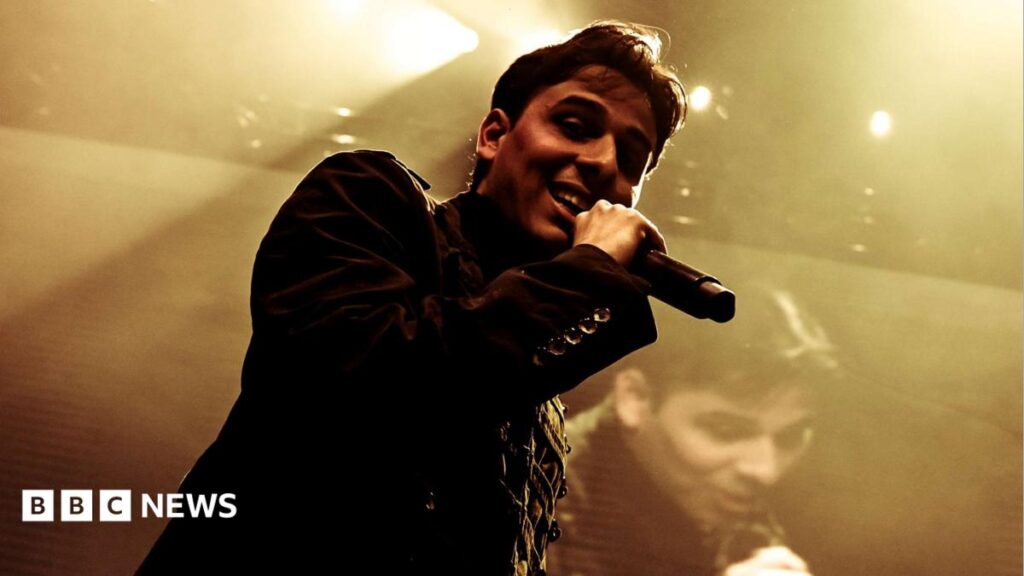
From Campus Gigs to Chart‑Topping Streams
Anuv Jain first caught listeners’ attention while performing at university events in Delhi, where his soft‑rock ballads resonated with a generation hungry for relatable lyrics. By 2022 he had uploaded a handful of tracks to YouTube and Spotify, and a viral cover of “Baarishein” earned him millions of streams without any film tie‑in. The momentum continued, and his 2024 EP "Mere Saath" topped India’s indie charts, proving that a solo artist could thrive outside the traditional Bollywood soundtrack pipeline.
Jain’s background in graphic design helped him craft a visual identity that matched his mellow sound. He handled everything from album art to social‑media teasers, turning his personal brand into a low‑cost but high‑impact marketing machine. This DIY approach is increasingly common among Indian musicians who lack the backing of film studios but possess the technical know‑how to reach audiences directly.
Why He Chooses to Stay “Very Selective” About Releases
In a recent interview, Jain explained that he treats each song as a stand‑alone story, refusing to flood the market with content that doesn’t meet his personal standards. He says the pressure to produce film songs often forces artists to compromise on authenticity, a trade‑off he is unwilling to make. This selective mindset has earned him a reputation for quality over quantity, a strategy that keeps his fan base engaged and eager for each new drop.
Industry insiders note that Jain’s restraint also protects his royalty earnings. By avoiding Bollywood’s revenue‑sharing contracts, he retains a larger share of streaming and licensing income. According to a 2025 report by Indian Music Rights Association, independent artists who keep full control over their catalog can earn up to 30% more per stream than those tied to film productions.
What Jain’s Path Means for Indian and African Music Markets
Jain’s success signals a shift in how South Asian music is monetised, a trend that mirrors the rise of African independent artists who have leveraged platforms like Boomplay and SoundCloud. Both regions are seeing a decoupling of music from dominant media—Bollywood in India, Nollywood in Nigeria—allowing creators to build careers on streaming data rather than box‑office tie‑ins. This parallel development creates new cross‑continental collaboration opportunities, as audiences increasingly discover talent through algorithmic playlists rather than film soundtracks.
For African investors, the Indian indie boom offers a template for scaling local talent. Venture capital firms that funded Indian music startups such as JioSaavn’s indie‑artist program are now eyeing similar models in Lagos and Nairobi. The potential for shared technology stacks—royalty‑tracking blockchain, AI‑driven A&R—means that Jain’s approach could indirectly shape funding decisions for African creators seeking to bypass traditional gatekeepers.
Streaming, Social Media, and the New Gatekeepers
The rise of short‑form video platforms like TikTok and Instagram Reels has turned a 30‑second clip into a launchpad for full‑length songs. Jain’s “Baarishein” first blew up after a fan posted a 15‑second snippet that amassed over 2 million views, prompting Spotify to feature the track on its “Viral Hits” playlist. This viral loop demonstrates how algorithmic curation now rivals film directors as the primary gatekeeper for music exposure.
African creators are experiencing the same dynamics. A 2026 study by the African Music Industry Forum found that 48% of top‑streamed tracks on the continent originated from TikTok virality, not radio play. The convergence of these trends suggests that artists in both regions can adopt a unified playbook: release a compelling hook, seed it on short‑form video, and let platform algorithms amplify the rest.
Future Collaborations and What’s Next for Jain
Looking ahead, Jain has hinted at a cross‑border project with Nigerian singer‑songwriter Tems, a collaboration that could blend his acoustic sensibility with her Afro‑R&B vibe. Sources close to the artist say the duo is experimenting with a bilingual track that mixes Hindi verses with English‑language choruses, aiming to tap into both South Asian and African diaspora markets.
If the collaboration materialises, it would be a milestone for the growing Indo‑African music exchange. Past examples—such as the 2023 remix of “Jalebi Baby” featuring Ghanaian rapper Kwesi Arthur—showed that hybrid tracks can dominate streaming charts in multiple regions. Jain’s potential partnership could therefore set a precedent for more joint ventures, encouraging record labels and streaming services to invest in cross‑cultural playlists that cater to a globally connected audience.
Quick Answers
How did Anuv Jain achieve success without Bollywood backing?
He built a strong online presence, released high‑quality songs selectively, and leveraged streaming platforms and TikTok virality to reach listeners directly.
What does Jain’s independent model mean for African musicians?
It offers a blueprint for African artists to earn more by retaining rights, using digital distribution, and seeking cross‑continental collaborations.
Is Anuv Jain planning a collaboration with an African artist?
According to insiders, he is exploring a joint track with Nigerian singer Tems, aiming to blend Hindi and English lyrics for a pan‑diaspora audience.
Source: www.bbc.co.uk




💬 Comments 0