Aurora Innovation and Kodiak AI get California permits to test self‑driving trucks 2026
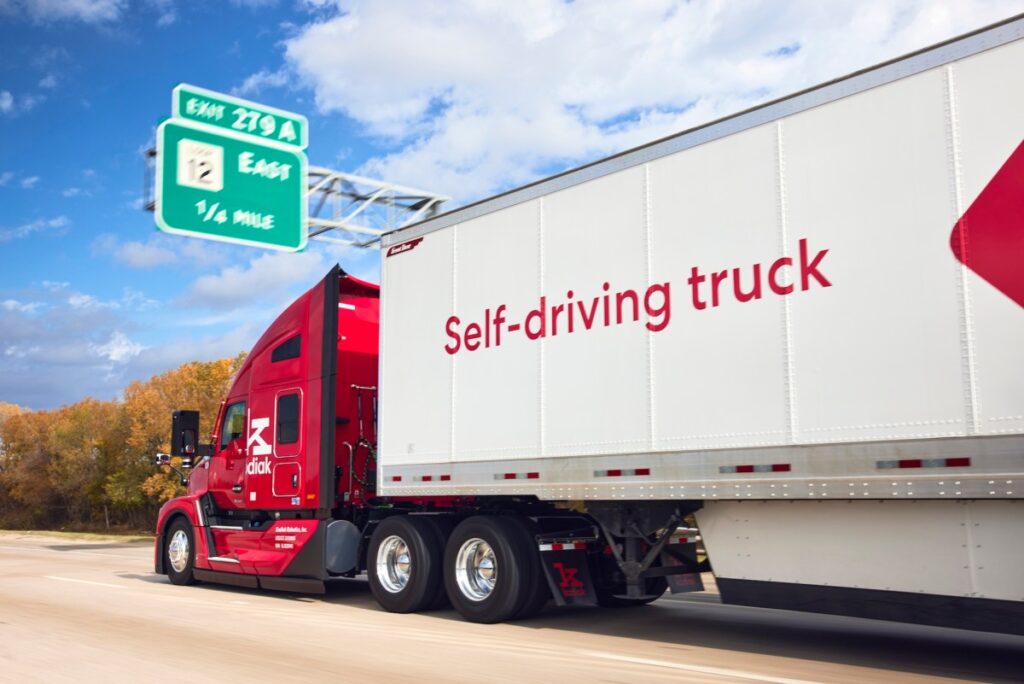
The autonomous‑trucking race hits a new milestone
For the past few years, the United States has been a testing ground for driverless freight, with firms in Silicon Valley, the Midwest and the Deep South racing to prove that a truck can navigate highways without a human behind the wheel. Aurora Innovation, backed by former Uber executives, and Kodiak AI, a spin‑out from the University of California, Berkeley, have now cleared a major regulatory hurdle: the California Department of Motor Vehicles issued them permits to drive on public roads.
California has long positioned itself as a proving arena for autonomous vehicles, thanks to a relatively progressive regulatory framework and a dense network of highways that mimic the conditions driverless cars will eventually face nationwide. The permits, granted in July 2026, allow both companies to operate fully autonomous Class 8 trucks on selected routes, provided they meet strict safety and data‑reporting requirements.
What the permits actually allow
The DMV permits are limited to specific corridors – primarily the I‑5 corridor between Los Angeles and the Central Valley, and a stretch of the I‑80 near Sacramento. Within these zones, the trucks must travel at no more than 55 mph and are required to carry a safety driver who can intervene if the system flags a hazard, according to the permit documentation.
Both Aurora and Kodiak will be required to upload telemetry data to a state‑run portal after each trip, enabling regulators to audit performance in real time. The companies also have to conduct a minimum of 10,000 miles of supervised driving before they can request permission for fully driverless operation, a benchmark that aligns with the industry’s own safety standards.
Why the United States cares – cost, labor and emissions
Driver shortage has become a chronic problem for U.S. freight carriers, with the American Trucking Associations estimating a deficit of more than 80,000 drivers by 2028. Autonomous trucks promise to close that gap by extending operating hours and reducing reliance on human labor, potentially shaving up to 30 % off the cost per mile, according to a 2025 McKinsey report.
Beyond economics, self‑driving rigs could lower greenhouse‑gas emissions. By optimizing acceleration, braking and route selection, autonomous systems can improve fuel efficiency by roughly 7 %, a figure that adds up quickly given that trucks move about 70 % of all freight in the United States.
The African connection – what this means for logistics on the continent
While the tests are taking place half a world away, the implications for Africa are tangible. Many African economies, including Nigeria, Kenya and South Africa, still rely heavily on road freight to move goods from ports to inland markets. Inefficiencies in that chain add up to 15‑20 % higher logistics costs compared with global averages, a burden that slows industrial growth.
If autonomous trucking technology proves safe and cost‑effective in the United States, investors are likely to look to emerging markets for the next wave of deployment. Already, Nairobi’s logistics hub has attracted interest from a handful of venture‑capital funds that see a future for driverless cargo shuttles on the Nairobi‑Mombasa corridor. For Nigeria, where the Lagos‑Ibadan highway sees over 30,000 trucks daily, a pilot program could reduce congestion and cut fuel consumption, directly benefiting small‑scale traders who make up the bulk of the freight ecosystem.
The diaspora also stands to gain. Nigerian and Ghanaian engineers working in Silicon Valley have been instrumental in building the AI stacks behind Aurora and Kodiak. Their expertise could seed home‑grown startups in Lagos or Accra, creating a feedback loop where African talent contributes to global tech while bringing back know‑how to solve local transport challenges.
Industry reactions – excitement tempered by caution
Major carriers such as J.B. Hunt and Schneider National welcomed the news, calling it a “critical step toward a more resilient supply chain.” However, labor unions like the Teamsters have voiced concerns that autonomous trucks could accelerate job losses, especially for long‑haul drivers who already face precarious working conditions.
Safety advocacy groups are also watching closely. The Center for Automotive Research warned that real‑world testing on busy highways must be paired with rigorous post‑incident analyses to avoid a repeat of past high‑profile accidents involving autonomous vehicles. Both Aurora and Kodiak have pledged to make their test data publicly accessible, a move that may help assuage some of the skepticism.
What’s next – from pilot to commercial rollout
If the 10,000‑mile supervised phase proceeds without major incidents, both firms intend to apply for full driverless permits by early 2028. Aurora has hinted at a partnership with a major North American retailer to deliver goods from California ports to distribution centers, while Kodiak is exploring a joint venture with a West African logistics firm to trial autonomous drayage at the Port of Lagos.
Regulators in other states are already drafting similar permitting frameworks, meaning the California test could become a template for a nationwide rollout. For African policymakers, the emerging playbook offers a chance to shape local regulations before foreign firms arrive, ensuring that safety standards, data sovereignty and job‑transition programs are baked in from day one.
Quick Answers
When can we expect self‑driving trucks to be on U.S. highways without a safety driver?
Both Aurora and Kodiak aim to obtain full driverless permits by early 2028 after completing a supervised mileage requirement and passing state safety audits.
How could autonomous trucks affect logistics costs in Africa?
If the technology proves cheaper and more efficient, it could lower freight costs by up to 30 % and reduce fuel consumption, helping African exporters compete globally.
Are there any jobs at risk for African truck drivers because of this technology?
While automation may eventually reduce demand for long‑haul drivers, it could also create new roles in vehicle monitoring, maintenance and AI development, especially for tech‑savvy workers in the diaspora.
Source: techcrunch.com



💬 Comments 0