Australia probes Flydubai co‑pilot takeover attempt, links to Iran revealed in 2026 incident
Background: Rising security alerts on Middle‑East flights
In recent years, airlines that operate routes between the Gulf and Israel have become focal points for intelligence agencies worldwide. The diplomatic fallout from the 2023 Gaza conflict sparked a surge in threats against civil aviation, prompting tighter security protocols at airports from Dubai to Tel Aviv. Governments, including Australia’s Department of Home Affairs, have expanded their monitoring of citizens travelling on or working for carriers that fly over contested airspace.
Australia, home to a sizable expatriate community from the Middle East and a growing number of African migrants, has been sharpening its counter‑terrorism net. The nation’s security agency, the Australian Security Intelligence Organisation (ASIO), routinely shares threat assessments with airline regulators and foreign partners. This collaborative framework set the stage for the swift response when a Flydubai co‑pilot’s actions raised red flags earlier this month.
The incident: A co‑pilot’s attempt to seize control
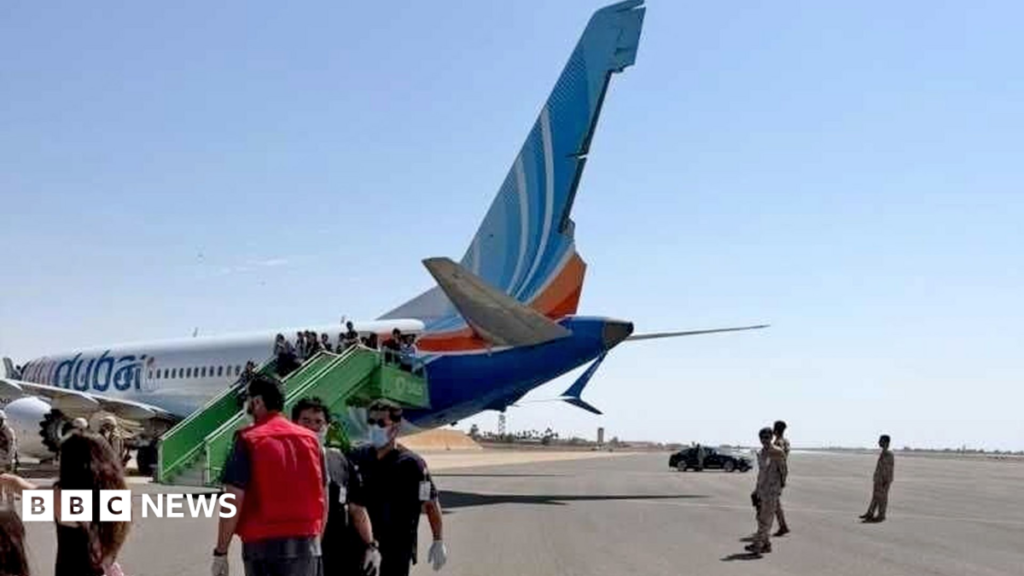
On 2 October 2026, a Flydubai aircraft bound for Tel Aviv was cruising at 30,000 feet when the co‑pilot, identified only as a 34‑year‑old male of dual nationality, allegedly tried to override the captain’s commands. Flight data recorders captured a sudden input on the control column, followed by an immediate reversal by the captain. The crew reported the anomaly to air traffic control, and the plane completed its journey without injury.
Australian authorities were alerted after the flight’s passenger manifest showed the co‑pilot held an Australian passport. State police in New South Wales, together with ASIO, opened an investigation into his background and possible foreign affiliations. Early reports suggest the co‑pilot may have travelled to Iran in the weeks before the flight, prompting speculation about state‑sponsored influence.
Why it matters: Security, aviation policy and diplomatic fallout
The episode underscores how a single insider threat can reverberate across the global aviation system. Airlines are now forced to reassess vetting procedures for crew members who hold multiple citizenships, especially when those passports originate from countries under heightened scrutiny. In Europe and North America, regulators have already begun tightening background checks; Australia’s swift probe could accelerate a worldwide shift toward biometric crew authentication.
Diplomatically, the incident adds pressure on Iran, which has repeatedly denied involvement in aviation‑related sabotage. If investigations confirm a link, the episode could trigger new sanctions or travel bans, complicating already strained ties between Tehran and Western allies. The fallout may also affect airlines that depend on Iranian airspace, forcing them to reroute flights and absorb higher fuel costs.
African angle: Implications for African airlines, diaspora and tourism
African carriers such as Ethiopian Airlines and Kenya Airways frequently operate connecting flights through Gulf hubs to Israel and Europe. A heightened security climate could translate into longer layovers, higher fees for over‑flight permissions, and stricter crew screening that impacts African pilots who work for Middle‑East carriers. The industry’s trade body, the African Airlines Association (AFRAA), has warned that any escalation in inspections may erode the cost advantage that Gulf‑based routes currently offer African passengers.
The African diaspora in Australia, estimated at over 250,000 people, also watches the case closely. Community leaders say the incident fuels anxiety about how their dual‑national status might be perceived by security agencies. “We want to be part of the solution, not a target,” said Fatima Ahmed, director of the African Australian Community Forum, speaking to local media. The episode could therefore influence community‑government dialogue on immigration checks and anti‑radicalisation programmes.
What’s next: Ongoing investigations and policy reforms
ASIO and New South Wales police have not disclosed the exact nature of the co‑pilot’s alleged contacts, but sources say the investigation will examine financial transactions, communications with foreign operatives, and any travel to conflict zones. The findings are expected to be presented to a parliamentary committee on national security later this year.
In parallel, the International Civil Aviation Organization (ICAO) is convening a task force to draft new guidelines on crew vetting for flights that cross politically sensitive regions. African regulators have been invited to join the discussion, offering a chance to shape standards that reflect the continent’s growing role in global air travel. For passengers, the immediate impact will likely be more thorough pre‑flight questioning and possibly additional security checks at airports that service Gulf‑to‑Israel routes.
Quick Answers
What did the Flydubai co‑pilot try to do on the flight to Israel?
He attempted to override the captain’s controls, a move that was quickly corrected and did not affect the aircraft’s safety.
Why is Australia investigating the co‑pilot’s links to Iran?
Australian security agencies suspect the co‑pilot may have had contact with Iranian officials or operatives, which could indicate a state‑backed plot.
How could this incident affect African airlines?
Stricter crew‑screening rules and possible rerouting of Gulf flights may raise costs and reduce the convenience of connections for African carriers and passengers.
Source: www.bbc.co.uk



💬 Comments 0